Could brushing your teeth do more than just protect your smile? According to emerging research, oral hygiene and Alzheimer’s may be more connected than you think. Scientists and dental experts have uncovered a strong link between gum disease and memory loss. In fact, harmful bacteria in the mouth may contribute to cognitive decline. While it...
When we think about risky alcohol use, binge drinking often comes to mind. Defined as consuming four or more drinks for women or five or more for men within about two hours. However, certain subtle drinking habits can be just as harmful, if not more so, over time. These patterns often fly under the radar,...
Dementia is a collection of symptoms caused by various diseases that damage the brain, such as Alzheimer’s. These diseases all affect people in different ways, meaning that symptoms can often vary from one individual to another. A few common early signs of dementia include changes in mood, difficulty concentrating, and memory loss. Recently, however, researchers...
Dementia refers to a group of neurodegenerative illnesses that are associated with a significant cognitive decline, including in areas such as memory, coordination, mood, and behavior. The most common form of dementia is Alzheimer’s, with approximately 50% of individuals over the age of 85 having Alzheimer’s. While there is no cure for dementia-related diseases, researchers...
Apples are universally healthy but they are not equal. Most people are familiar with types like Pink Lady, Gala, Granny Smith, etc. However, there are over 7,500 varieties of apples grown all over the world, according to WSU Tree Fruit. Casual eaters and aficionados alike can differentiate between types and decide on their favorites. Food...
Alzheimer’s disease is a progressive neurodegenerative disorder and the most prevalent form of dementia globally. It affects daily life, adversely hindering memory, cognition, and altering behavior. Alzheimer’s cases are suspected to double in prevalence by 2060, largely due to preventable and modifiable lifestyle factors. Making dietary changes, including what we drink every day, could possibly...
Dementia continues to be one of the world’s most pressing public health issues. It’s estimated that more than 55 million people are affected by dementia globally, costing over $1 trillion each year. While there is currently no cure for dementia, a recent Cambridge-led study has uncovered promising links between commonly used medications and a lower...
Dementia symptoms can often appear slowly and subtly, making them easy to overlook at first. You might notice changes in your loved one’s behavior or memory, but it’s not always clear that these are signs of dementia. Early detection is crucial as it allows for more effective interventions and better management of the condition. Some...
Finding the right tools for nonverbal dementia support can make a huge difference in the daily lives of loved ones. Communication challenges can feel overwhelming, but the right devices can help bridge the gap. Assistive technology for dementia is not only useful, it can also bring comfort, independence, and peace of mind. Some tools are...
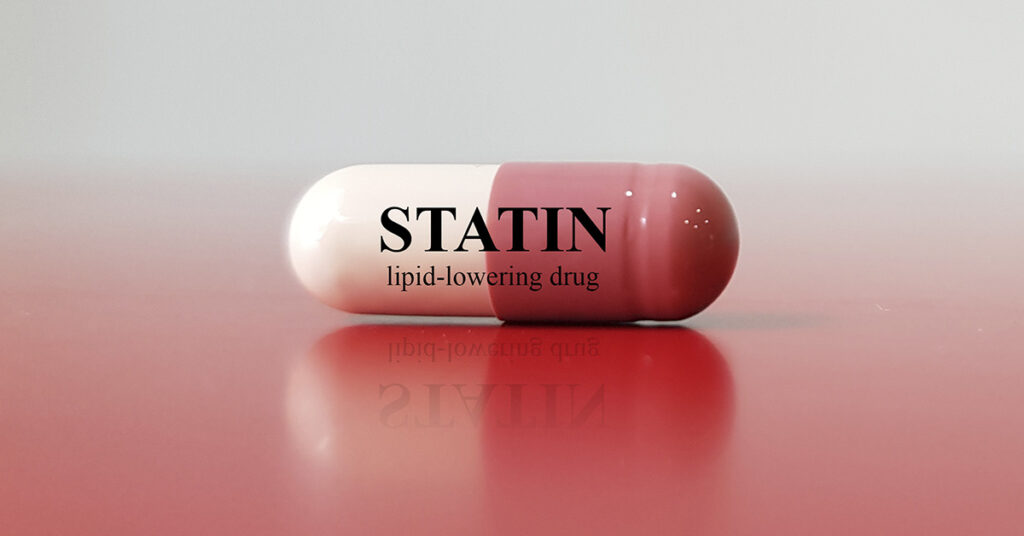
In recent years, there has been debate in the scientific community as to whether or not statins, a common medication to lower cholesterol, increases risk of dementia. Some research shows that yes, it does. Other research finds it may actually have a protective effect. The evidence and therefore the media tend to swing back and...
Dementia refers to a group of neurodegenerative diseases which affects millions globally. In 2019, an estimated 57.4 million people had dementia globally. With the number of people living with dementia expected to surge to 152.8 million by 2050, the need to identify further preventive measures to lessen the risks of dementia has never been greater. ...
Chronic illness is a word that refers to a health condition or illness that typically lasts for one or more years. They range widely in their causes and symptoms. Some can be genetic, like Fibromyalgia, while others are brought on by a buildup of years of bad habits. You may not notice the effect of...