

Fructose consumption in the United States has more than doubled over the past 30 years. Most of it doesn’t get burned for energy – it gets funneled almost entirely into the liver, processed through a metabolic pathway the body was never designed to handle at this volume.
The ingredient responsible is hiding in plain sight. It appears on labels as high-fructose corn syrup, as “fruit juice concentrate,” as plain table sugar (which is 50% fructose by composition), and in hundreds of foods marketed as natural or wholesome. Fructose is the sweet half of sucrose, and for most of human history, people consumed it only in small quantities – from whole fruit, a little honey, the occasional vegetable. Today, the average American diet delivers it by the teaspoon in almost every meal.
Fructose and glucose share a chemical formula but take radically different routes through the body, with radically different consequences. Those consequences now reach further than most people realize – into the liver, into the joints, and deep into the brain.
How Fructose Hijacks Your Liver
The liver is the primary destination for dietary fructose. Unlike glucose, which is distributed to cells throughout the body for energy, nearly all absorbed fructose is routed directly to the liver for processing. The small intestine initially helps metabolize ingested fructose, shielding the liver from excessive exposure – but when consumed in excess, particularly through processed foods, that protective mechanism becomes overwhelmed, contributing to insulin resistance, obesity, and fatty liver disease.
When the liver is overloaded with fructose, fatty acid oxidation and glycogenolysis are inhibited, forcing the body to store glycogen and fat in the liver – an effect that is unique to fructose, as glucose has the opposite impact. Unlike glucose, fructose bypasses critical regulatory steps in metabolism, meaning the liver has no brake pedal. Fat accumulates without the feedback signals that would normally slow the process down.
The clinical evidence for this is dose-dependent and rapid. A 2022 study published in Nutrients found significant dose-response effects – the more high-fructose corn syrup consumed, the greater the increase in hepatic (liver) fat content and the steeper the drop in insulin sensitivity, with measurable changes occurring within just two weeks of increased intake. The long-term picture is equally grim. Heavy consumption of sugar-sweetened beverages is significantly associated with nonalcoholic fatty liver disease (NAFLD) – a condition in which excess fat builds up in liver cells – with a 60% higher odds ratio in over 120,000 U.S. adults studied, according to a 2023 study. Meanwhile, research published in Science Signaling found that sorbitol – a common sugar-free sweetener – can be converted into fructose inside the liver, potentially triggering the same type of metabolic damage normally associated with regular sugar. Even “sugar-free” alternatives may carry this risk under certain conditions.
Both regular and diet soft drinks are associated with higher rates of metabolic dysfunction-associated steatotic liver disease, based on UK Biobank data from 124,000 people. NAFLD – now increasingly referred to as metabolic dysfunction-associated steatotic liver disease (MASLD) – is no longer rare. CNN reported in 2025 that NAFLD has increased by 50% in the United States within the past three decades, now affecting an estimated 38% of the population. Limiting sugar-sweetened beverages to fewer than one per week, and checking labels on “sugar-free” products for sorbitol, are among the most direct responses to this evidence.
What Fructose Does to Your Waistline

Fructose doesn’t just store fat in the liver – it actively undermines the hormonal system that tells you when to stop eating. Fructose plays a limited role in directly stimulating insulin secretion, which affects satiety signaling and contributes to increased food intake. Insulin is one of the body’s primary fullness signals. When it isn’t triggered adequately, the brain doesn’t register that calories have arrived.
The hunger-suppression problem compounds at the brain level. The brain treats glucose and fructose very differently: glucose reduces hunger-promoting brain activity more effectively than fructose does, meaning that a fructose-heavy meal leaves appetite control systems underactivated. Carbohydrate-rich and high-sugar foods also fail to trigger the stomach distension that normally suppresses ghrelin, the hormone that drives hunger. Obesity can also cause leptin resistance – a breakdown in the body’s appetite-suppressing hormone – causing continued overeating even when leptin levels are elevated. Fructose creates a perfect storm: it delivers calories without triggering the hormonal signals that should accompany them.
The weight data confirms what the hormone research predicts. The CARDIA study – a long-running observational cohort following participants over 30 years – found that for every additional teaspoon of added sugar consumed daily, body weight increased by 0.11 kg over that period, a number that compounds to significant weight gain when the average American consumes 17 teaspoons of added sugar per day. A 2010 meta-analysis pooling data from 19,431 participants found that regular consumption of sugar-sweetened beverages increases the risk of metabolic syndrome – a cluster of conditions including abdominal obesity, high blood pressure, and insulin resistance – by 20%. Cutting one sugary drink per day is one of the most evidence-supported single dietary changes for reducing waist circumference over time.
You may also want to read about how artificial sweeteners carry their own health risks, particularly regarding insulin metabolism and blood sugar regulation, since switching from sugar to sweeteners isn’t a straightforward solution.
The Gout Connection Most People Miss
Gout is widely considered a condition of the past – the “disease of kings” brought on by rich food and port wine. Its rates are actually rising, and fructose is one of the clearest dietary drivers. A 2025 meta-analysis of 235,790 participants found that fructose consumption was strongly associated with increased gout risk, with an odds ratio of 1.66 – meaning people with high fructose intake were 66% more likely to develop gout than those with low intake, according to research published in a peer-reviewed journal. The same analysis found that sugar-sweetened beverages specifically increased the risk of hyperuricemia (elevated uric acid levels in the blood) by 33%.
Fructose-related hepatic ATP (adenosine triphosphate, the body’s cellular energy currency) depletion contributes to liver injury, and the necessity of replenishing those ATP stores drives overproduction of uric acid. Uric acid, when it exceeds the body’s capacity to excrete it, crystallizes in joints – particularly in the feet and ankles – causing the intensely painful inflammation that defines a gout attack. Medical News Today reports that fructose-rich foods lead directly to this ATP depletion cascade. For anyone with a personal or family history of gout, reducing fructose from beverages and processed foods is the most targeted dietary intervention available.
Fructose and the Brain
Cognitive health is where the fructose research has become most urgent in recent years. A 2025 review published in the Journal of Nutrition and Metabolism found that chronic high fructose intake has been linked to mitochondrial dysfunction, increased production of reactive oxygen species (ROS), and neuroinflammation – all of which contribute to cognitive decline and impairments in memory and learning, with particular impact on the hippocampus, the brain’s key region for memory formation.
Insulin receptor signaling plays a vital role in brain metabolism, plasticity, and neuroprotection, and fructose disrupts precisely this system. High fructose intake is attributed to cognitive decline and neurodegenerative disease development through the disruption of insulin signaling pathways in the hippocampus and prefrontal cortex – the regions most involved in memory, decision-making, and executive function. UCLA research published in the Journal of Physiology found that rats on a high-fructose diet navigated learning mazes significantly more slowly and showed signs of insulin resistance in brain tissue, with the insulin signaling that normally supports memory appearing to lose effectiveness.
Dramatically increased consumption of processed foods and high-fructose products, combined with sedentary lifestyles, has turned what was once a beneficial energy-storage mechanism into one with measurable effects on both body and brain function. A separate 2025 study found that fructose-sweetened drinks increase the density of inflammatory receptors on immune cells, heightening sensitivity to bacterial toxins – a finding with implications for otherwise healthy adults, since the inflammatory effects can begin in the bloodstream before any clinical signs appear.
For anyone concerned about long-term cognitive health, the most actionable step is reducing liquid fructose first. Beverages deliver fructose without fiber, without chewing time, and without the stomach distension that slows consumption of solid food – meaning a single large soda can deliver more fructose than the liver can safely process in that sitting.
Read More: Popular Sugar-Free Sweetener Has Been Linked to Liver Disease, Study Warns
What This All Means
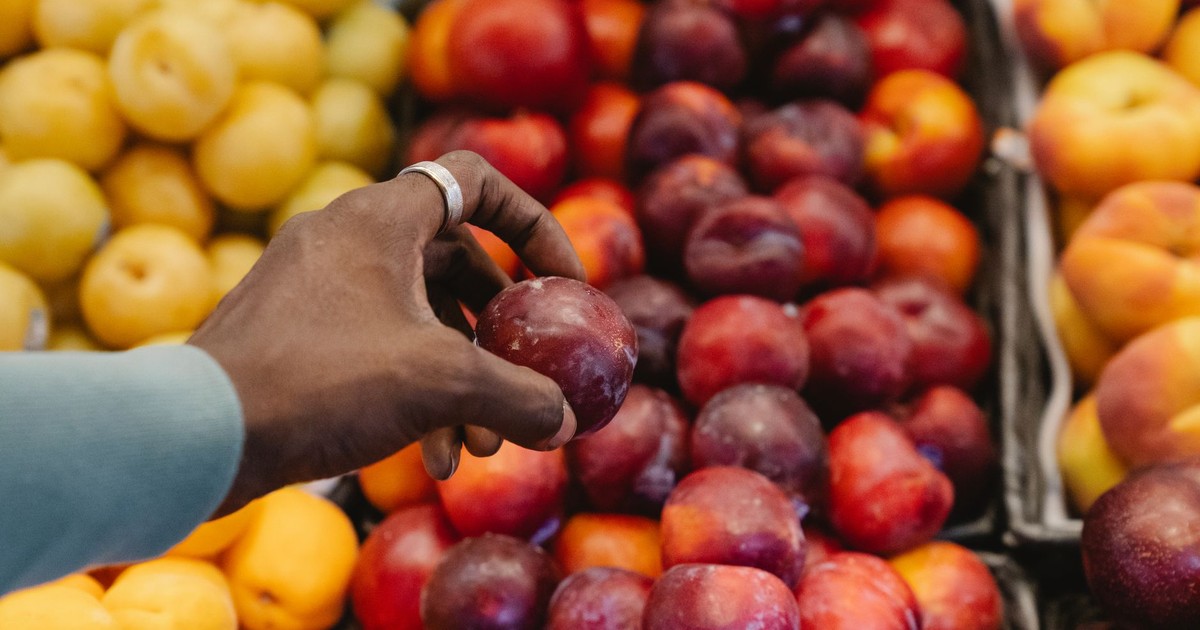
Fructose consumed in whole fruit is not the problem. Fruit delivers fructose alongside fiber, water, and micronutrients, and in quantities the liver handles without difficulty. The issue is concentrated fructose arriving without fiber – in sodas, fruit juices, syrups, sports drinks, flavored yogurts, condiments, and the thousands of packaged foods that use high-fructose corn syrup or “fruit concentrate” as a primary sweetener.
The most evidence-supported changes are also the most straightforward. Replace sugar-sweetened beverages with water, sparkling water, or unsweetened drinks – this single swap addresses liver fat accumulation, appetite dysregulation, uric acid overproduction, and neuroinflammatory load simultaneously. Read ingredient labels for high-fructose corn syrup, sucrose, fruit juice concentrate, and sorbitol, and treat them as interchangeable from a metabolic standpoint. If you eat a diet heavy in processed foods, reducing added sugar by even 25% creates a measurable shift in hepatic fat and insulin sensitivity within weeks, based on the dose-response data. And if you have a family history of gout, fatty liver disease, or early cognitive decline, the case for reducing fructose intake isn’t precautionary – it’s directly supported by the mechanisms now mapped in the research.
Disclaimer: This information is not intended to be a substitute for professional medical advice, diagnosis, or treatment and is for information only. Always seek the advice of your physician or another qualified health provider with any questions about your medical condition and/or current medication. Do not disregard professional medical advice or delay seeking advice or treatment because of something you have read here.
AI Disclaimer: This article was created with the assistance of AI tools and reviewed by a human editor.
Read More: Fatty Liver May Be a Hidden Warning Sign for Future Heart Disease