
Most people who sleep with a fan running at night wake up feeling like they’ve slept fine. A smaller group wakes up stuffy, dry-throated, or sore in the neck and shoulders – and blames everything except the fan. The explanation for why both groups can be right comes down to something most fan users never think about: what their fan is actually doing to the air around them all night.
A fan doesn’t cool a room. It pushes warm air around. The temperature when you fall asleep is the temperature when you wake up. What changes is the airflow moving across your skin – and over seven or eight hours, that airflow has some well-documented effects on your body that go well beyond comfort. Whether those effects help or hurt you depends on a handful of specific factors that are easy to miss and easy to fix once you know them.
The science on sleeping with fan health effects is more layered than most coverage suggests. There are genuine benefits documented in peer-reviewed research, and real risks that only apply under certain conditions. The key is knowing which category you’re in – and what to do about it either way.
1. It Dries Out Your Airways, Skin, and Eyes
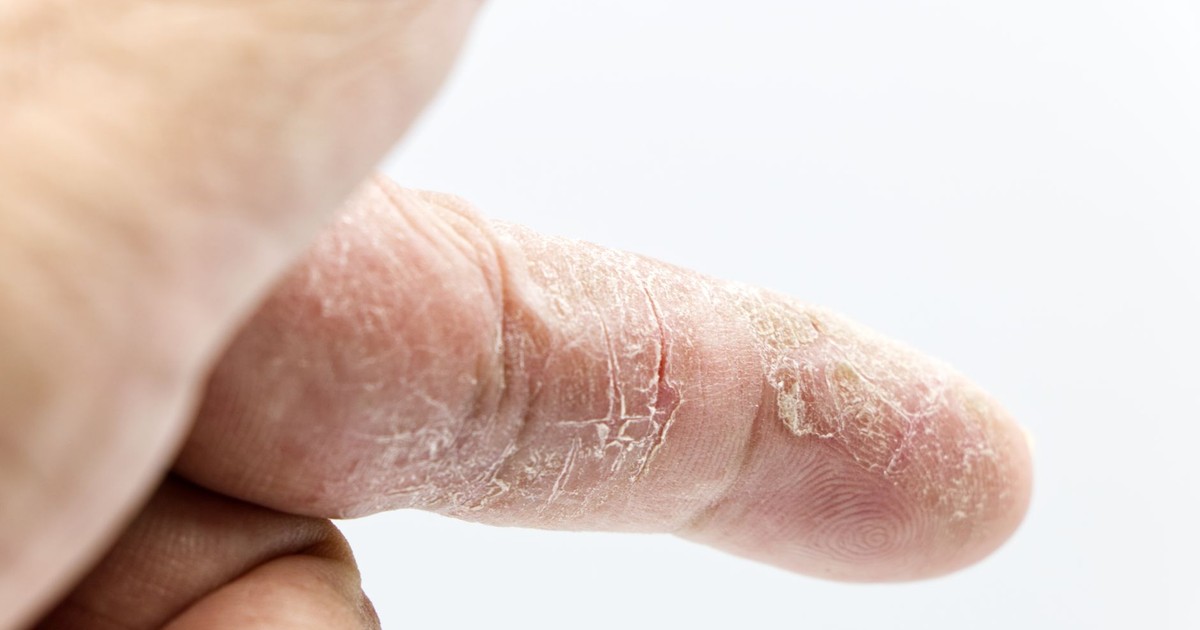
Sleeping with a fan can dry out your mouth, nose, throat, skin, and eyes, and may worsen congestion or allergies by circulating dust and pollen. This happens because continuous airflow accelerates moisture evaporation from exposed surfaces – including the mucous membranes lining your nose and throat, which rely on staying moist to do their job properly.
Those membranes aren’t just passive tissue. When they dry out, the body compensates by producing more mucus, which can cause a blocked nose, coughing, and sneezing – and that congestion can seriously disrupt sleep quality, leading to nighttime wake-ups and fatigue the next day. A 1989 study in the International Journal of Epidemiology found that breathing dry air reduces nasal mucociliary clearance – the system your nose uses to trap and clear bacteria, allergens, and other particles – which means a dry nose isn’t just uncomfortable; it’s also a less effective filter.
The effect varies person to person. People with naturally dry skin, eczema, or sensitive eyes will feel it more acutely. For everyone else, the practical fix is straightforward: run a humidifier alongside the fan to keep bedroom relative humidity in the 40 to 60 percent range, which the Sleep Foundation identifies as optimal for sleep quality.
2. It Can Trigger Allergy and Asthma Flare-Ups

Dust mites, pollen, mold spores, and pet dander that may have settled on surfaces can get stirred up and redistributed around the room when a fan is switched on. For allergy sufferers, that redistribution is the problem – allergens don’t disappear, they just stop sitting still.
Dr. William Lu, medical director at Dreem Health, a digital sleep clinic, makes the mechanism clear: “While fans improve air circulation, they do not affect filtration. What this means is that instead of allergens staying in one spot in the room, they move around, leading to more consistent exposure while you sleep.” If your airways are already reactive, the combination of circulating allergens and dryness can make symptoms like coughing, wheezing, or congestion worse.
A factor many people don’t consider: fan blades themselves accumulate dust, pollen, and pet dander through static electricity, which means a dirty fan actively launches particles into your breathing air all night. Cleaning the blades weekly – not monthly – makes a meaningful difference for anyone with respiratory sensitivities. Fans don’t pose serious risks during the night, but for some people, they might lead to mildly irritating symptoms – and for those with asthma or hay fever, those “mild” symptoms can mean hours of broken sleep.
3. It Helps Your Body Temperature Drop for Deeper Sleep
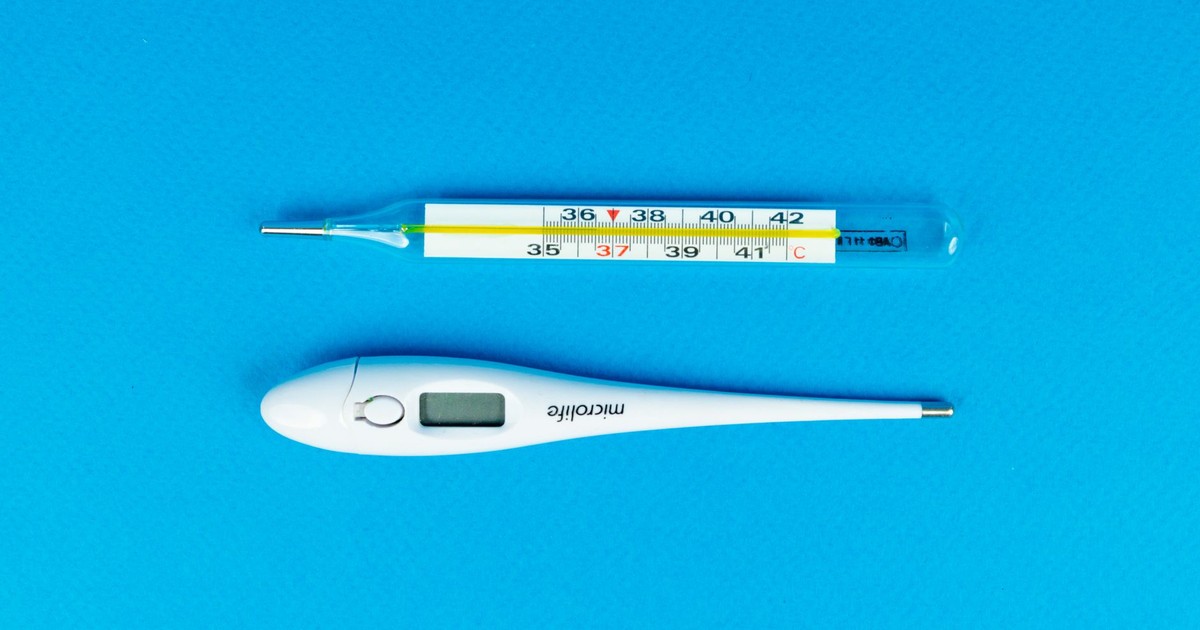
Your core body temperature naturally drops during sleep, and fans facilitate this cooling process through increased air circulation. That drop isn’t incidental – it’s a core part of the sleep process. The brain uses falling core temperature as a signal to deepen sleep stages, and anything that slows that drop can keep you in lighter, less restorative sleep longer.
This temperature regulation is essential for entering deep sleep phases, which occur most effectively when your body reaches its optimal nighttime temperature range of 60 – 67°F. According to the Sleep Foundation, most doctors recommend keeping the bedroom thermostat between 65 and 68 degrees Fahrenheit. A fan can help maintain that range without running an air conditioner – which matters both for energy costs and for humidity levels, since AC tends to over-dry bedroom air.
The catch is that fans only help with this when they’re moving air across skin – they don’t lower the room’s actual temperature. On a hot night when the ambient air itself is 80°F, the fan will keep pushing that 80-degree air around. Cooling the body through evaporation off skin still helps, but the effect diminishes as room temperature rises. On those nights, combining the fan with a cold pack under the pillow or cooling sheets becomes a more effective strategy.
4. It Improves Air Quality by Reducing CO2 Buildup
One underappreciated benefit of running a fan overnight is what it does to the air you’re breathing – not how it feels, but what’s chemically in it. When you sleep in a closed room, you exhale CO2 continuously. In closed rooms with doors and windows shut, CO2 levels can quickly rise, and without adequate ventilation, concentrations can easily surpass 1,000 parts per million, sometimes climbing to 2,000 – 3,000 ppm by early morning.
That matters more than most people realize. A 2024 study published in Building and Environment found that compared to well-ventilated conditions at 750 ppm CO2, sleep efficiency dropped measurably when levels reached 1,000 ppm, and time spent awake during the night increased by up to 7.8 minutes at 1,300 ppm. These are not dramatic numbers, but compounded over weeks and months, the cumulative effect on recovery and cognition is real.
A fan – even a small one running on low – moves air through the room in a way that prevents CO2 from pooling around the sleeping person’s head. The ventilation benefit is real, and it’s one of the clearest arguments for keeping a fan running even in rooms that aren’t particularly hot. If you sleep with windows open, even better – but a circulating fan alone provides meaningful improvement over a sealed, still room.
You can find more on how your bedroom environment shapes sleep depth and recovery in this article on sleep habits quietly accelerating brain aging.
5. It Can Cause Muscle Stiffness and Morning Soreness

Concentrated circulating air may cause muscles to tense up or cramp during the night – particularly when a fan is aimed directly at the body from a fixed position. This is one of the more surprising entries on the list for people who’ve attributed their stiff neck or sore shoulders to their mattress or pillow.
The mechanism is straightforward: direct airflow on exposed skin and muscles triggers involuntary contractions as the body works to maintain its core temperature. Neck and shoulder muscles bear the brunt of fan-related tension, particularly when fans are positioned to blow directly on the upper body. The tension accumulates gradually across seven or eight hours of sleep, which is why it tends to feel like general soreness rather than a specific cramp – and why it’s so easy to blame something else.
The fix is not to turn the fan off. Using an oscillating model helps prevent the problems that come with concentrated airflow – and keeping the fan at least 2 to 3 feet away from the bed significantly reduces the intensity of the airflow hitting any one muscle group. Pointing the fan at a wall rather than directly at the body is another option that maintains air circulation in the room without the drying and tension effects of direct exposure.
6. The White Noise Effect Helps Many People Fall Asleep Faster
The fan’s hum is not just background noise – for a significant portion of people, it functions as an active sleep aid. Sleeping with a fan on is one of the most cost-effective cooling methods available during summer, but the acoustic benefit is its own, separate advantage. Some people say the cool breeze and low hum help them fall asleep – and there’s clinical data to explain why.
A 1990 study published in the Archives of Disease in Childhood found that 80 percent of newborns fell asleep within five minutes when exposed to white noise – compared to only 25 percent in a quiet environment. While that study focused on infants, the underlying mechanism applies broadly: consistent, low-level background sound masks the sudden noises that cause micro-arousals during light sleep stages. A fan delivers that function for free, all night, at a controllable volume.
For people who live near traffic, share a home with night-shift workers, or simply sleep lightly, that masking effect can meaningfully reduce nighttime wake-ups. The fan doesn’t need to be loud to work – a low setting positioned a few feet away produces enough ambient noise to cover intermittent sounds without being intrusive itself.
7. It May Reduce the Risk of SIDS in Infants’ Rooms
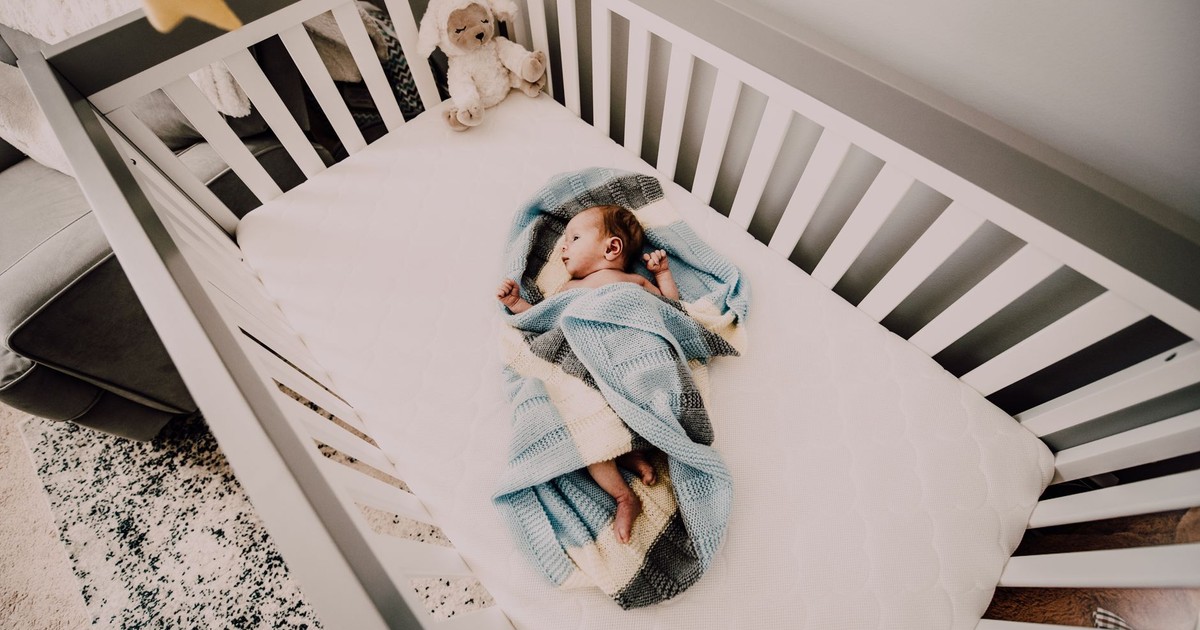
This finding doesn’t apply to adults, but it applies to a large number of adults’ households. A 2008 study published in the Archives of Pediatrics and Adolescent Medicine found that running a fan in an infant’s bedroom was associated with a 72 percent reduction in sudden infant death syndrome (SIDS) risk. That number is striking enough to warrant its own section.
The researchers’ hypothesis centers on air circulation disrupting the buildup of CO2 that can accumulate around an infant’s face when sleeping – particularly when bedding or positioning limits airflow. The fan keeps the air moving enough that rebreathing exhaled CO2 is less likely. This finding is nearly two decades old and has not been overturned in subsequent research; major pediatric organizations still cite ventilation and open windows as protective factors in safe sleep environments.
For parents of infants: the fan should be in the room, not aimed directly at the baby. The goal is air circulation throughout the space, not a direct breeze on the child’s skin or face. That distinction preserves the protective benefit while avoiding the drying effects and muscle tension risks that direct airflow can create.
Read More: 6 Things You Shouldn’t Do In Bed To Improve Sleep Quality
What to Do Now
The question of whether sleeping with fan health effects are net positive or negative doesn’t have a single answer – it depends on what your fan is doing and how it’s positioned. For most adults, the benefits are real: better air quality, lower CO2, improved temperature regulation for deeper sleep, and a white noise effect that masks disruptive sounds. The risks are also real, but they’re almost entirely avoidable with a few specific adjustments.
Keep the fan at least 2 to 3 feet from the bed and use an oscillating model rather than a fixed one to prevent concentrated airflow landing on any one part of your body all night. Clean the blades weekly if you have allergies or asthma. Run a humidifier alongside the fan if you wake up with a dry throat or nasal congestion, aiming to keep humidity between 40 and 60 percent. If you’re a parent, a fan in the infant’s room – not blowing directly at the baby – remains one of the most evidence-backed steps you can take for safe sleep. And for anyone in a closed bedroom who struggles to fall asleep or wakes up groggy, the simplest change might not be a supplement or a new mattress – it might just be turning the fan on.
Disclaimer: This information is not intended to be a substitute for professional medical advice, diagnosis, or treatment and is for information only. Always seek the advice of your physician or another qualified health provider with any questions about your medical condition and/or current medication. Do not disregard professional medical advice or delay seeking advice or treatment because of something you have read here.
AI Disclaimer: This article was created with the assistance of AI tools and reviewed by a human editor.