

An 11-year-old girl had her long hair shaved off by her own mother – not by a salon, not after an illness, but as a deliberate punishment. The girl had been mocking a classmate who lost her hair to chemotherapy, and her mother decided that the only lesson that would stick was one the child could feel on her own scalp.
The story went viral after being shared by TikTok content creator Daiana Birollo, who recounted the experience sent to her by a follower. According to Birollo, the mother said she was shocked to learn her daughter had repeatedly mocked a classmate who had lost her hair during cancer treatment. The victim was so affected by the bullying that she attempted to take her own life, prompting her parents to contact school authorities. When the bully’s mother learned the full extent of what had happened, she didn’t reach for the usual punishments. She wanted “something that would change her forever,” and so she sat her daughter down and shaved her head.
This story is not a one-off. A father on Reddit, since widely covered by outlets including YourTango, described making an almost identical choice after his 16-year-old daughter pulled a wig off a classmate undergoing chemotherapy. He gave her two options: lose all her electronics permanently, or get a completely shaved head. Her mother went ballistic, worried their daughter would become the target of bullying herself. The father’s response was blunt: that was partly the point. Both cases ignited fierce online debate, split roughly between parents who called it justice and psychologists who called it something more troubling. The debate raises a question that goes well beyond parenting style: what does parental punishment hair shaving actually do to a child’s developing mind?
Claire Cameron, a specialist in childhood education and cognitive psychology, acknowledged the punishment might help a child understand a peer’s experience, but cautioned that it could also be traumatic depending on how it was handled. That caveat carries more weight than it might first appear. The psychological research on shame-based discipline tells a consistent story, and it doesn’t favor the approach. “The goal with any consequence would be to help the child learn to take the perspective of the person they are bullying. Having a shaved head could help the girl realize what her classmate might be going through in a way that’s hard to teach verbally,” she said in an interview with boredpanda.
1. It triggers a stress response the developing brain can’t handle
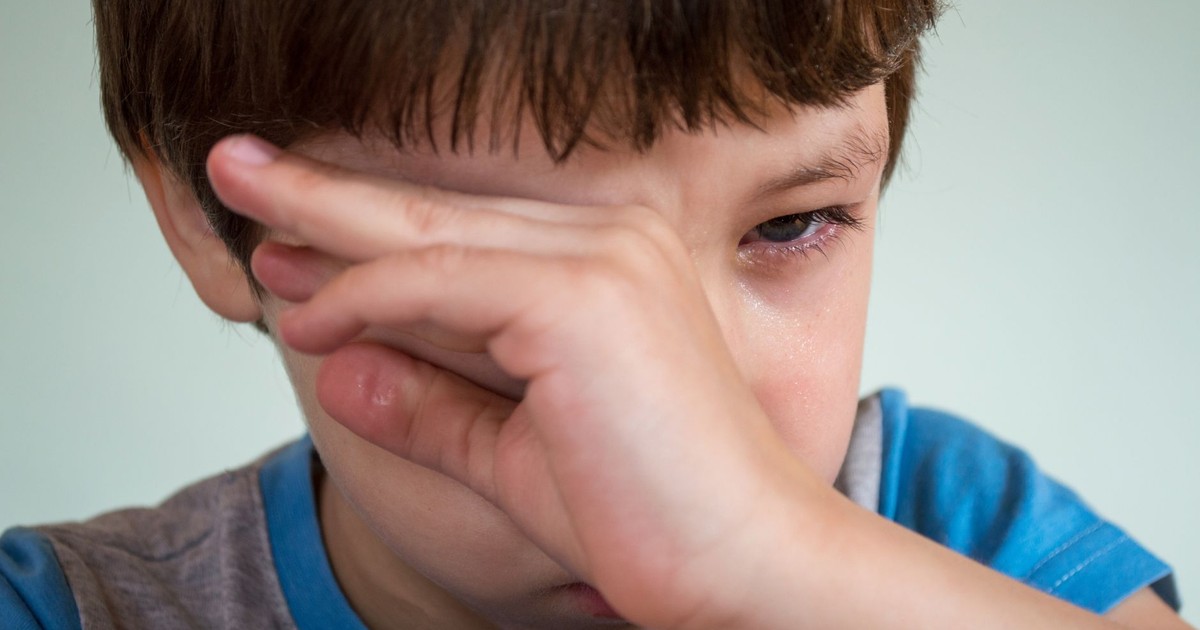
When a mother shaved her daughter’s head and made her run outside, a judge described it as “an assault on the girl’s dignity.” Neuroscience confirms there is something real in that framing. Shame-based discipline triggers a cascade in the nervous system that, during critical windows of brain development, can actively alter how a child’s brain is structured.
The mother in the viral story said her daughter cried as her long hair was cut off, and she herself became upset – though she doesn’t regret the decision. For an 11-year-old, that stress doesn’t resolve when the clippers are put away. Children humiliated in front of peers experience the same cortisol-driven stress response adults do, but their developing brains are less equipped to process it, increasing depression and anxiety risk. Cortisol is the body’s primary stress hormone, and chronic or intense exposure to it during childhood actively reshapes the architecture of the brain, particularly regions governing emotional regulation and memory.
A punishment designed to be memorable may be memorable precisely because it is neurologically disruptive, not because it has taught a lesson.
2. Shame doesn’t teach empathy — it teaches fear

The stated goal of parental punishment hair shaving in these cases was empathy: help the child feel what her victim felt. Empathy, however, requires safety, reflection, and the capacity to consider another person’s perspective. Shame collapses inward – it focuses on the self, not the other person – and those two processes produce very different outcomes in the developing brain.
Tracy Vaillancourt, a specialist in youth mental health and violence prevention quoted by Newsner, took a strong stance against the punishment, arguing that shaving a child’s head mirrors the same misuse of power seen in bullying itself. She said accountability, sincere apologies, and addressing the root causes of bullying are more effective responses. Humiliation tactics like hair-cutting debase children without imparting lessons and can damage the relationship between parent and child. A child who is shamed into compliance has not developed empathy – they have learned to avoid the situation that brought punishment, which is a survival calculation, not a moral development.
Many people agreed the punishment was too harsh, with one commenter arguing that “your daughter is a bully because you are a bully,” suggesting the punishment was akin to abuse. Children model what they live. When a parent uses power and humiliation to correct behavior, they are demonstrating exactly the dynamic they are punishing their child for using.
3. It damages the parent-child relationship at a critical stage

Adolescence is the developmental stage during which a child’s relationship with their parent either becomes a foundation of trust or begins to fracture. Punishments that rely on humiliation put significant pressure on that relationship at the worst possible time.
Cutting hair as punishment affects a child’s autonomy over their physical body, potentially damaging a crucial developmental stage around consent and bodily ownership. At 11 or 16, children are in the process of forming a coherent sense of self. Their body is one of the few things they feel ownership over. When a parent removes that ownership without consent, research links the experience to poor boundary-setting later in life. Early experiences of bodily autonomy correlate with more secure attachment, better boundary-setting, and greater resilience in relationships during adolescence and adulthood.
Research on physical punishment is associated with mental health problems, worse parent-child relationships, substance use, impaired social-emotional development, and heightened externalizing behavior problems. A child who feels her body was used as a punishment instrument by the person she trusts most does not emerge from that experience with greater respect for her parent. She emerges with a complicated mix of shame, resentment, and compliance that often looks like improved behavior from the outside while masking deeper damage.
4. It increases the risk of anxiety, depression, and long-term mental health problems
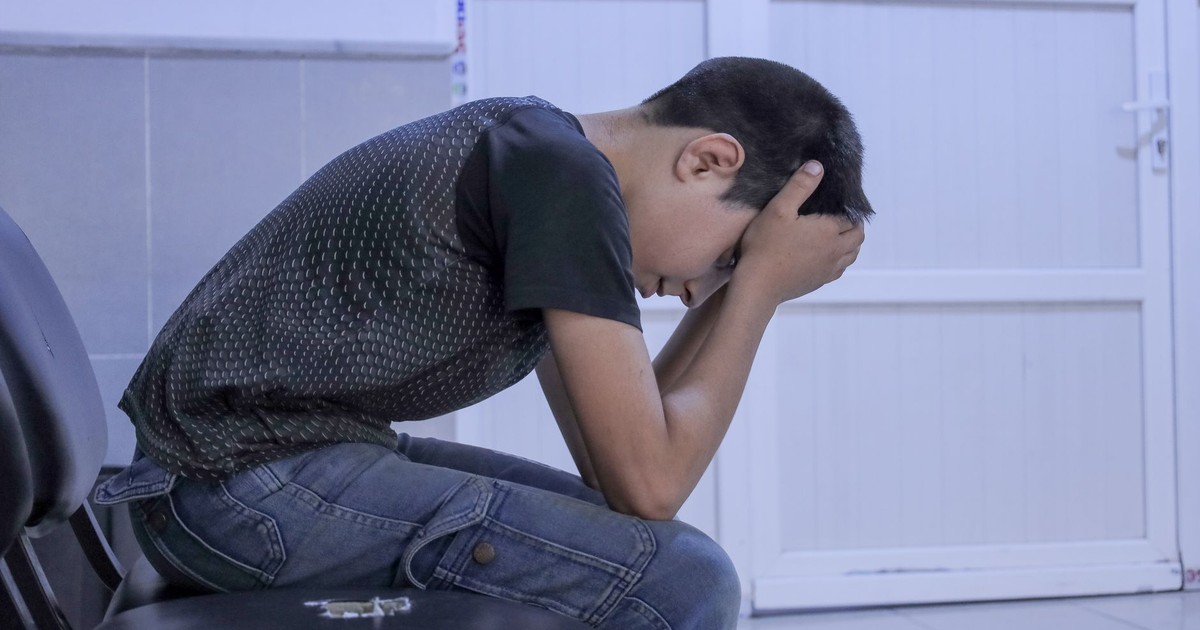
Research suggests children who experience frequent parental shaming may be significantly more likely to develop anxiety and depression in adolescence. That finding comes from research specifically examining the cumulative effects of shame as a discipline tool. Forced public shaving sits on that same psychological spectrum, particularly when the punishment extends into the child’s social world — as it does when the child must attend school with a shaved head every day.
A large systematic review covering 33 studies found that experiencing public humiliation nearly doubled the odds of mental health problems, including depression, anxiety, PTSD, and suicidal ideation. Children who internalize shame are more likely to experience anxiety, sleep problems, and difficulty managing emotions later in life. “Internalizing” here refers to the psychological process where a child absorbs the shame and begins to identify with it – concluding not that they did something wrong but that they are something wrong.
Physical punishment consistently predicts increases in child behavior problems over time and is not associated with positive outcomes. This is a finding from a 2021 study published in The Lancet, one of the most comprehensive reviews of punishment research to date. The direction of the evidence is consistent: escalating punishment does not produce better behavior. It produces more behavior problems.
5. It can accelerate bullying rather than stop it

One of the most counterintuitive findings in the parenting research is that punitive discipline – the category that includes humiliation, shaming, and physical punishment – is linked to higher rates of bullying, not lower ones. A study published in the Jornal de Pediatria found that punitive discipline by either parent was directly associated with bullying behavior in their children. When a parent uses power to dominate and humiliate, they are modeling exactly the dynamic that produces bullying in social environments.
A 2025 analysis led by NYU Steinhardt assistant professor Jorge Cuartas, published in Nature Human Behaviour, found that physical punishment leads to exclusively negative outcomes for children across 16 of 19 measured developmental areas, including poor health, lower academic performance, and impaired social-emotional development. That research – covering 195 studies across 92 countries – found no context in which physical or humiliation-based punishment produced reliably positive behavioral change. Corporal punishment increases aggression in young children and is ineffective in teaching responsibility and self-control, affecting normal brain development, according to the American Academy of Pediatrics.
The child who is humiliated at home and then told to stop humiliating others at school is receiving contradictory messages about how power works. The lesson absorbed is not “hurting others is wrong.” The lesson absorbed is “you only get away with it if you have the power.”
6. The effects don’t stay in childhood

Shaming and humiliation cause fear in children, and that fear does not resolve when they reach adulthood. People focus on whether the punishment “worked” in the short term – did the girl stop bullying? did she apologize? – without tracking what the punishment deposits in the child’s psychological foundation.
Research shows that children who are constantly humiliated become bullies themselves or become depressed, and are more likely to use drugs and humiliate their own children. The intergenerational transmission of this pattern is well-documented. A child who is shamed does not always grow into a compassionate adult. They grow into an adult who carries unresolved shame, which tends to either collapse inward as depression and anxiety, or project outward as aggression and contempt toward others.
Children who are harshly disciplined or shamed tend to be less happy, less independent, less confident, more aggressive and hostile, and at higher risk for mental health issues. Cameron, the childhood education and cognitive psychology specialist cited in the original coverage of the viral case, framed the key question clearly: the outcome depends entirely on how the parents explained the decision and supported the child afterward. That support structure – calm explanation, continued warmth, ongoing dialogue about empathy – is the part most parents who choose dramatic punishments skip.
Read More: Dad shaves his daughter’s hair for bullying a girl with cancer and pulling off her wig
What parents should do instead — and why it actually works

The parents in these viral stories were responding to real, serious wrongdoing. A child who mocks a classmate losing her hair to cancer has caused genuine harm, and the impulse to respond forcefully is understandable. The problem is that the research on what actually changes a young person’s behavior points in a different direction.
The American Academy of Pediatrics recommends that corporal punishment in all school settings be abolished and that age-appropriate, nonviolent behavior management be used instead. The same principle applies at home. What developmental psychologists consistently recommend involves three components: direct accountability to the harmed person, structured perspective-taking exercises, and a maintained – not fractured – relationship with the parent. Both families in the viral stories did arrange for their daughters to apologize to the victim in person, which is precisely the kind of restorative contact that research supports. The shaving was the part that added risk without adding benefit.
Cameron acknowledged the punishment could help the girl better understand what her classmate experienced by temporarily sharing a similar appearance. But she also cautioned that without careful handling, it crosses from education into trauma. A parent who shaves a child’s head and then holds her, explains clearly, and walks with her through the difficult days at school that follows is doing something fundamentally different from a parent who shaves a head as a power move and considers the matter closed. The research distinguishes between those two approaches – and so, eventually, will the child. For any family navigating a serious bullying incident, the evidence points to one clear priority: keep the relationship intact, because that relationship is the only vehicle through which real change actually travels.
Disclaimer: The information provided here is for educational and informational purposes only and is not a substitute for professional psychological, psychiatric, or mental health advice, diagnosis, or treatment. Always seek the guidance of a licensed mental health professional, therapist, psychologist, or psychiatrist with any questions or concerns about your emotional well-being or mental health conditions. Never ignore professional advice or delay seeking support because of something you have read here.
AI Disclaimer: This article was created with the assistance of AI tools and reviewed by a human editor.