

A woman can go through the most disruptive years of her menopause transition and still not technically be “in menopause” – at least not by the clinical definition. The distinction matters more than most people realize, and it’s the reason so many women feel blindsided by what’s happening in their bodies while doctors keep telling them their test results are normal.
Menopause symptoms don’t begin when menstruation stops. For most women, the hormonal turbulence starts years earlier, during a phase that rarely gets the same attention as menopause itself. By the time the official milestone arrives, many women are already well past the worst of it. Understanding the full timeline, and the biology behind each stage, changes how you interpret what your body is going through and what you can actually do about it.
The eight facts below aren’t widely discussed outside of specialist clinics, but they should be. Whether you’re in your early 40s noticing subtle shifts, or well past the transition and dealing with lingering effects, these findings offer a clearer picture of what menopause actually involves.
1. Menopause Has a Specific Definition Most People Don’t Know
The word “menopause” gets used loosely to describe years of hormonal change, but clinically it refers to a single point in time. According to the National Institute on Aging, you’ll only know you’ve reached menopause when you’ve gone a full year without a period or spotting. That 12-month mark is the official confirmation. Everything before it is perimenopause; everything after is postmenopause.
The average age of menopause in the United States is 52. Most women begin noticing the first signs – irregular periods, hot flashes, mood shifts, and sleep problems – during their 40s, as the body starts its gradual hormonal transition. The challenge is that many of those symptoms arrive long before the 12-month clock even starts.
This timeline matters practically. A woman who stopped having periods 10 months ago and starts spotting once has to reset the count back to zero. Contraception is still needed during this window. And the assumption that menopause is something that happens suddenly, like a switch being flipped, leads many women to delay seeking support for symptoms they’ve actually been experiencing for years.
2. Perimenopause Can Last Nearly a Decade

Most people assume the lead-up to menopause is brief. It isn’t. Perimenopause typically lasts between two and eight years, though some women experience it for considerably longer. The median duration sits at around four years – but that average obscures how wide the range actually is. Some women sail through in 24 months; others are dealing with erratic cycles and hormonal symptoms well into their early 50s.
During perimenopause, estrogen levels don’t decline smoothly. They spike and crash unpredictably, which is part of why menopause symptoms during this phase can feel chaotic and hard to attribute to a single cause. Estrogen rises and falls unevenly, and menstrual cycles may lengthen or shorten as the ovaries become less consistent about releasing eggs.
The practical takeaway: if you’re in your mid-to-late 40s and noticing changes in your cycle, sleep, mood, or body temperature regulation, perimenopause is a plausible explanation worth raising with your doctor – even if your period hasn’t stopped and a blood test comes back inconclusive. Hormone levels during perimenopause fluctuate so much day to day that a single FSH (follicle-stimulating hormone) test can miss the picture entirely.
3. Pregnancy Is Still Possible During Perimenopause

The drop in fertility during perimenopause is real, but it doesn’t make conception impossible. Pregnancy remains possible during perimenopause because ovulation still occurs sporadically, even when cycles are irregular or months apart. Women sometimes assume that skipped periods mean they’ve stopped ovulating – but an unexpected period after a gap of several months can signal that ovulation just happened.
The National Institute of Child Health and Human Development confirms that women can still become pregnant during perimenopause and recommends taking appropriate contraceptive measures. The standard guidance is to continue using contraception until 12 consecutive months have passed without a period – the same threshold that confirms menopause itself.
This catches many women off guard, particularly those who’ve spent years trying to conceive without success and assume their fertility window is definitively closed. If pregnancy isn’t the goal, contraception remains relevant throughout the entire perimenopause transition.
4. Hot Flashes Are More Common – and More Varied – Than Most Women Expect

Hot flashes are the symptom most associated with menopause, but the numbers behind them are striking. According to the Menopause Society, hot flashes and night sweats – clinically called vasomotor symptoms – are the most commonly reported menopause symptoms, affecting up to 80% of women during the transition. Each episode typically lasts between one and five minutes and can be accompanied by sweating, chills, and anxiety.
What often goes unmentioned is how long women live with them. For some, hot flashes resolve within a couple of years. For others, they persist for more than a decade after menopause is confirmed. Severity also varies dramatically – from a brief flush that’s easy to ignore to a drenching sweat that disrupts sleep, work, and social life.
Race plays a significant role in this experience. Research from the University of Michigan found that Black women reach menopause 8.5 months earlier than white women and report worse symptoms, including more frequent hot flashes and higher rates of depression. A 2024 study published in the journal Menopause – based on data from more than 68,000 women – found that Black women have the highest odds of severe night sweats of any racial group, with an odds ratio of 1.87 compared to white women. These disparities are linked to compounding factors including chronic stress from systemic racism, which researchers at the University of Michigan described as having an “insidious effect” on menopausal health outcomes.
5. Menopause Symptoms Include Serious Sleep Disruption

Sleep problems during menopause are often framed as a side effect of hot flashes – wake up sweating, lose sleep. That’s part of the picture, but only part. According to a 2025 narrative review published in the Journal of Clinical Medicine, insomnia symptoms affect up to 60% of postmenopausal women. That’s not occasional restlessness. Chronic insomnia at this rate has downstream effects on cognitive function, cardiovascular health, mood, and immune response.
The National Institute of Child Health and Human Development notes that sleep can become difficult for menopausal women for reasons beyond night sweats alone, and that long-term sleep disruption can lead to fatigue, low energy, and memory problems. The sleep architecture itself changes during the menopause transition, with less time spent in deep, restorative sleep stages.
For women struggling with sleep during this phase, the connection to menopause can take months or years to identify – especially when hot flashes aren’t obvious. Discussing sleep quality specifically with a healthcare provider, rather than waiting for night sweats to appear, can open access to interventions that make a genuine difference. Cognitive behavioral therapy for insomnia (CBT-I) has strong evidence behind it as a first-line treatment and doesn’t carry the side effect profile of sleep medications.
6. Estrogen’s Exit Affects the Brain, Not Just the Body
The psychological side of menopause goes well beyond mood swings. Research from the Center for Women’s Mental Health at Massachusetts General Hospital – led by Dr. Hadine Joffe, a psychiatrist and women’s mental health specialist – shows that fluctuating levels of estrogen and progesterone directly influence neurotransmitters including serotonin and dopamine, the same chemical systems targeted by antidepressants. When estrogen drops, so does serotonin activity, which is why perimenopausal depression is a clinical reality, not just stress about aging.
Women with a prior history of depression face an elevated risk of experiencing depression again during the menopause transition, according to a 2024 Lancet study by Dr. Joffe. The research found no compelling evidence for a universal increased risk of major depressive disorder during menopause, but the increased risk “appears predominantly in individuals with previous major depressive disorder,” making it especially important for women with that history to monitor their mental health proactively during perimenopause rather than waiting for a crisis.
Cognitive effects are also common and underreported. Up to 70% of women report attention and memory problems during menopause alongside other symptoms. The reassuring finding from longer-term follow-up research is that cognitive changes during the menopause transition are generally temporary, with improvement expected as the brain adapts to lower estrogen levels. The “brain fog” many women describe isn’t permanent – but it’s real while it lasts, and knowing that can reduce the fear that something more serious is happening.
For a closer look at how menopause affects the whole body, this piece on perimenopause and brain health covers the broader hormonal picture in detail.
7. Bone Loss Accelerates Sharply During the Transition
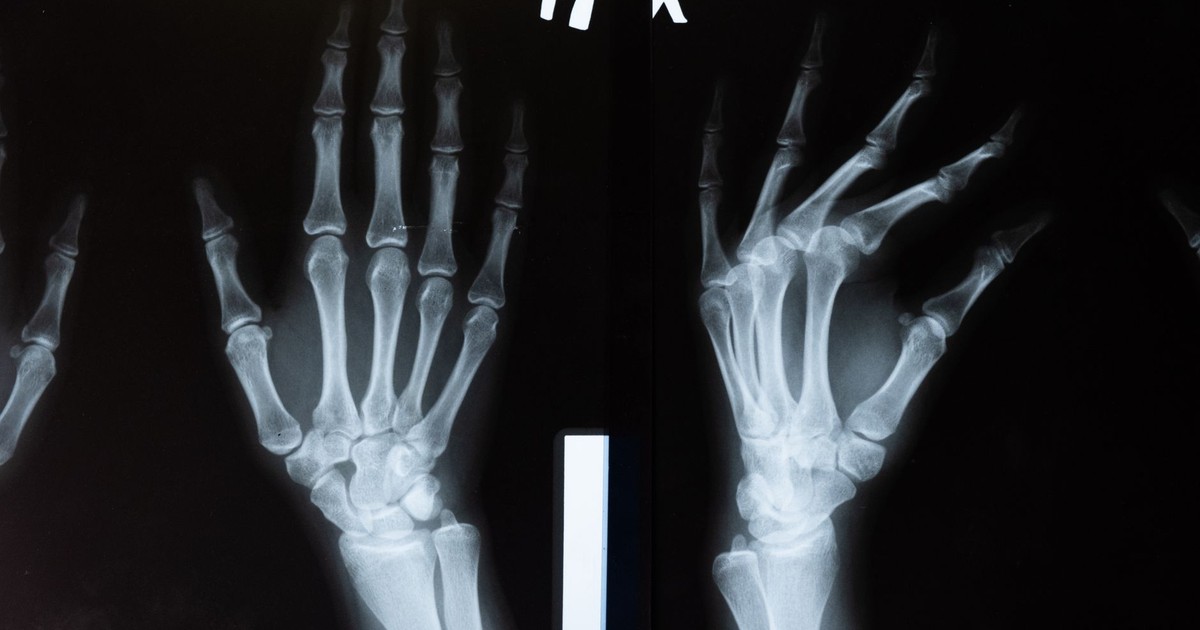
Most people know that osteoporosis is a concern after menopause. Fewer people know how quickly bone density can fall during the transition itself. According to Dr. Sharon Chou, an endocrinologist at Mass General Brigham, women lose on average 1 to 2% of their bone density every year once they enter menopause – and sometimes as much as 3 to 5% annually during the first five years.
Estrogen plays a direct role in keeping bone density stable by inhibiting the cells (osteoclasts) that break bone down. When estrogen declines, those cells become more active relative to bone-building cells, and the balance tips toward loss. This process begins in perimenopause, not after menopause is confirmed – meaning the window to intervene with weight-bearing exercise, calcium intake, and vitamin D optimization starts earlier than most women are told.
A bone density scan (DEXA scan) is typically recommended at age 65, but women with additional risk factors – including early menopause, family history of osteoporosis, or a history of low body weight – should discuss earlier screening with their doctor. Catching significant bone loss at 52 leaves far more options than catching it at 70.
8. Heart Disease Risk Rises After Menopause – Faster Than Most Women Realize

Cardiovascular disease is the leading cause of death in women, and menopause plays a direct role in accelerating risk. A 2020 scientific statement from the American Heart Association, published in Circulation, found that the decline in estrogen during the menopause transition triggers adverse metabolic changes that raise the risk of dyslipidemia (abnormal cholesterol levels), obesity, insulin resistance, and ultimately conditions like diabetes, hypertension, and stroke.
Estrogen helps keep blood vessels relaxed and open, according to the American Heart Association’s Go Red for Women initiative. As estrogen declines, cholesterol can begin accumulating on artery walls. Dr. Emily Lau, a cardiologist and researcher at Mass General Brigham, explains that many midlife women appear to have a low 10-year cardiovascular risk on standard calculators – but that framing misses the long-term picture, since the metabolic shifts of menopause compound quietly over decades.
Research cited in a 2025 paper in JACC: Advances found that a woman’s cardiovascular risk rises sharply after menopause, quickly catching up to men of a similar age and health profile. The practical response isn’t to panic but to act: get cholesterol checked around the time of menopause if you haven’t recently, discuss blood pressure trends with your doctor, and treat exercise and dietary quality as cardiovascular medicine, not optional extras.
Read More: Video Of Woman’s Head Steaming From Menopause Has People Saying ‘Every Man Needs To See This’
What This Means for You

Menopause symptoms span far more than hot flashes and missed periods. The transition involves measurable changes to bone, heart, brain, and sleep – most of which begin years before the 12-month threshold that officially marks menopause. The full arc, from subtle hormonal shifts in the 40s through the postmenopausal years, can encompass a wide range of symptoms that affect daily function in ways many women don’t connect to reproductive aging until much later.
The most actionable thing any woman in her 40s or 50s can do is start the conversation with her doctor before symptoms become severe. Ask specifically about bone density, cardiovascular risk, mental health history, and sleep quality – not just about periods and hot flashes. Menopause is a whole-body transition, and the women who fare best are almost always the ones who understood that early enough to prepare for it.
Disclaimer: This information is not intended to be a substitute for professional medical advice, diagnosis, or treatment and is for information only. Always seek the advice of your physician or another qualified health provider with any questions about your medical condition and/or current medication. Do not disregard professional medical advice or delay seeking advice or treatment because of something you have read here.
AI Disclaimer: This article was created with the assistance of AI tools and reviewed by a human editor.