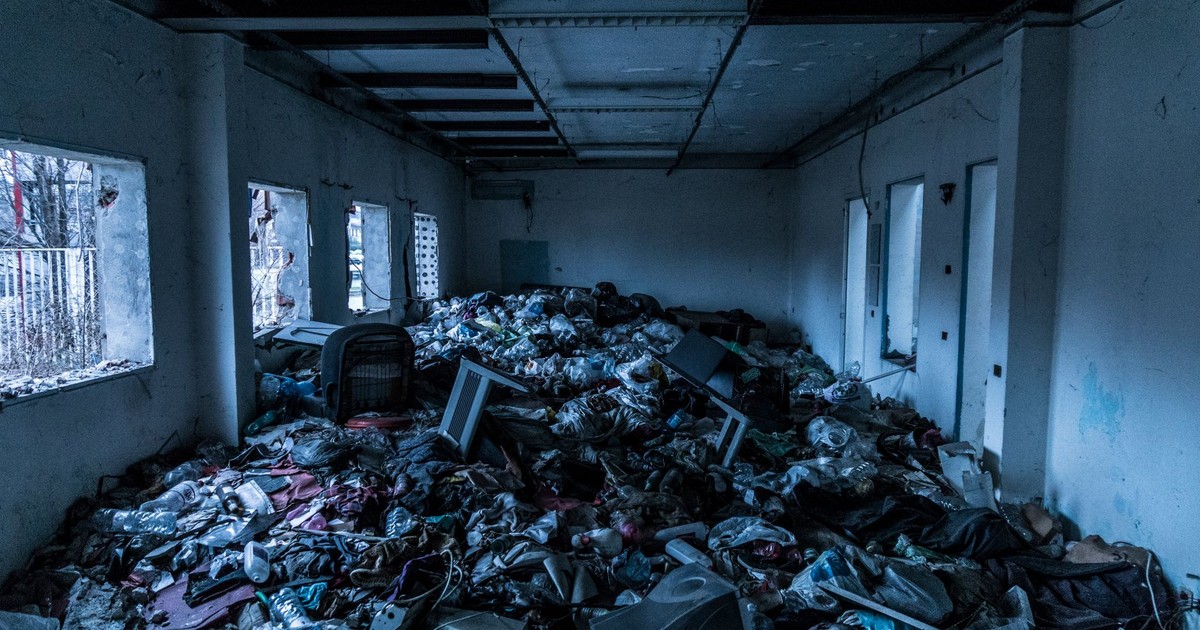

More than half of Americans who have cleared out a deceased relative’s home say the experience made it harder – not easier – to grieve. Not because sorting through someone’s belongings is physically exhausting, though it often is, but because the sheer volume of objects without context turns bereavement into a logistical project. You’re deciding what to keep and what to throw away before you’ve had time to cry.
That collision between grief and stuff is reshaping what Americans actually want when a relative dies. A 2026 survey of 1,200 US adults conducted by Talker Research and commissioned by 1-800-GOT-JUNK? found that 49% of Americans would rather inherit nothing at all than have to deal with a relative’s belongings, and 51% prefer a select few items over receiving everything a loved one owned. Those aren’t the preferences of people who don’t care about their families. They’re the preferences of people who’ve learned what clearing a home actually costs – in time, in money, and in emotional bandwidth.
The gap between what people assume inheritance looks like and what it actually involves is wide. Most adults picture a will, a lawyer, and a check. The reality, especially when it comes to physical belongings, is closer to a months-long sorting project layered on top of loss. Understanding both sides – what people don’t want to inherit from relatives and what they genuinely do – starts with an honest look at what the data shows.
A House Full of Stuff, No Instructions Attached
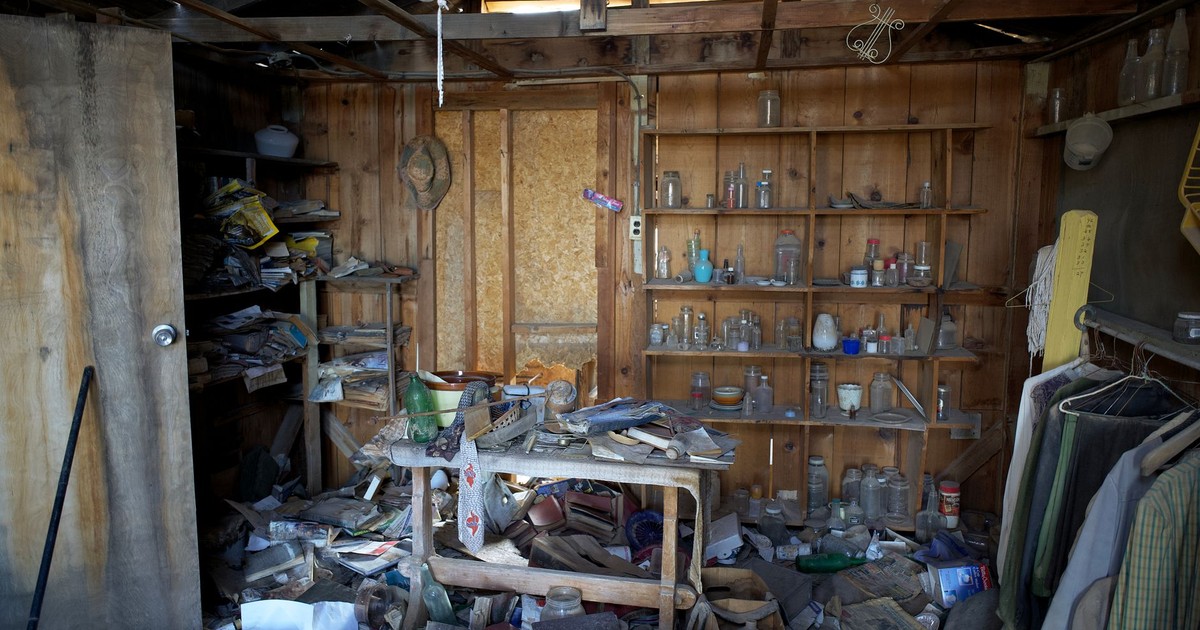
Only 20% of Americans say they want to inherit every belonging a relative owns. That’s a striking minority, and the reasons aren’t hard to find. When a family member dies without having communicated what their possessions mean or who should receive what, heirs are left to make hundreds of micro-decisions – each one carrying emotional weight – under time pressure. Rent continues. Utilities run. An empty house still has carrying costs.
The same 1-800-GOT-JUNK? research found that roughly 25% of North American junk removal bookings between 2021 and 2025 were associated with a loss, inheritance, or estate cleanout. That’s a quarter of all their calls. What looks like a tidying job from the outside is, in a meaningful number of cases, a family working through someone’s entire physical life while managing funeral arrangements and probate.
A 2026 study published in BMC Psychology examined 250 adults who had experienced the death of a loved one and found that dealing with the material effects in the home of a deceased person plays a significant role in the emotions surrounding their death. Sorting possessions isn’t a neutral administrative task. It can trigger grief in waves – finding a handwritten grocery list, a half-finished knitting project, a drawer full of birthday cards someone kept. Doing that work without any guidance from the person who owned those things adds a layer of ambiguity that can be harder to process than the loss itself.
A simple letter kept with a will – listing who gets what and what the story is behind it – can save heirs weeks of anguish and argument. It takes less time to write than most people assume, and it transforms a guessing exercise into an act of recognition.
Why Estate Settlement Gets Expensive

The costs that arrive alongside an inheritance often catch families off guard. Estate settlement typically costs between 3% and 6% of an estate’s total market value, meaning a $500,000 estate can generate $15,000 to $30,000 in administrative costs before a single dollar reaches an heir. That covers executor fees, attorney fees, court costs, and related expenses – none of which are optional.
The process can take anywhere from six to 18 months depending on the size of the estate and the types of assets involved. During that period, heirs may be managing the deceased’s property, responding to creditors, navigating probate court, and waiting for asset transfers – all while grieving. For adult children still managing their own households, that timeline can become genuinely disruptive.
The gap in estate planning preparation makes this worse. According to LegalZoom, 56% of Americans believe estate planning is important, but only 45% have actually documented their end-of-life plans. Intentions don’t create legal documents. Without a valid will, assets may be distributed according to state intestacy laws rather than the deceased’s actual wishes, adding court involvement and delay on top of everything else.
The Trust & Will 2026 Estate Planning Report, based on a nationally representative survey of 5,000 US adults, found that Gen X is the least protected generation: 62% have no estate planning documents at all, a higher share than Gen Z (54%), Millennials (58%), or Baby Boomers (48%). If you’re in that generation and haven’t made a will yet, the financial and logistical burden you’d be passing to your heirs is substantial.
When Family Disagrees Over Objects
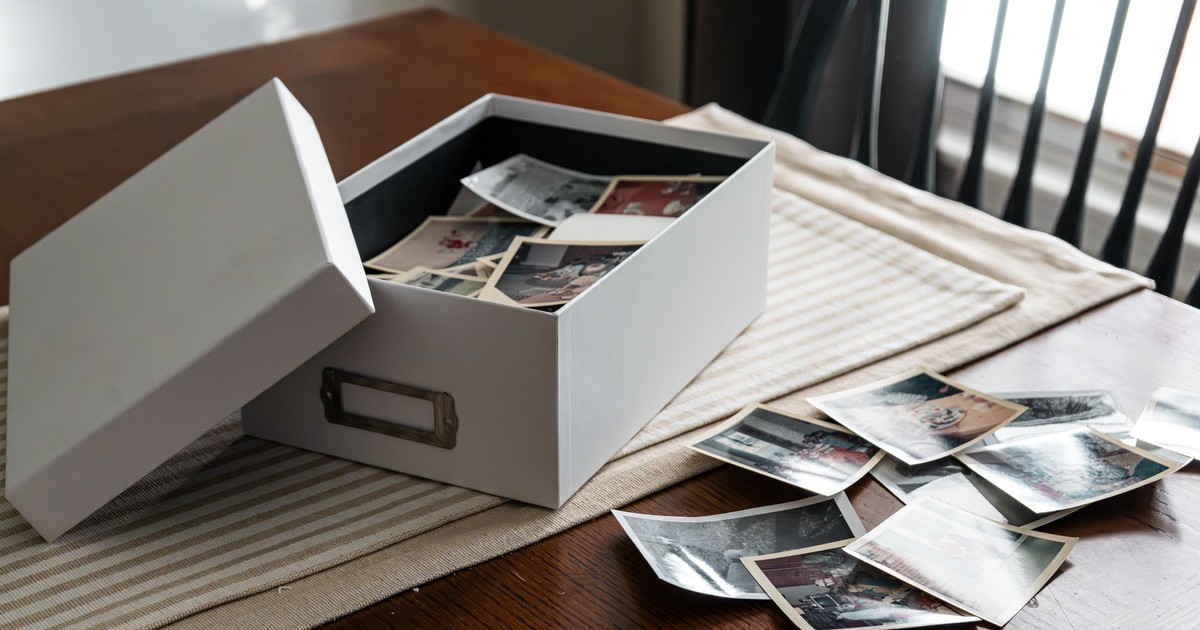
Money, counterintuitively, is rarely what causes the most friction when a relative dies. Personal items are significantly more likely than money to create family conflict among heirs. A savings account has a clear dollar value that can be divided. A grandmother’s ring, a father’s watch, or a set of handmade dishes doesn’t.
The dynamic is driven partly by the emotional function that objects serve in grief. The 2026 BMC Psychology study of 250 bereaved adults found that 83.2% kept a loss-related object belonging to their deceased loved one. The researchers found these loss-related objects may reflect externalized expressions of proximity-seeking – a way of staying connected to the person who died. When two siblings both want the same object for that reason, the disagreement isn’t really about the thing. It’s about grief, attachment, and feeling seen by the person who’s gone.
Families who know, in advance, that a particular item has been designated to a particular person tend to argue far less than those discovering those wishes for the first time while sorting boxes. A specific written designation – not just a general statement of intent – is the difference between clarity and conflict.
The Grief Made Heavier by Sheer Volume

Of Americans who have already cleared out a relative’s home, 56% said dealing with the volume of belongings made it harder to fully grieve. That’s a majority of people who’ve had firsthand experience with the process reporting that the stuff itself became an obstacle to mourning.
Research on bereavement and mental health confirms that grief increases the risk of developing depression, post-traumatic stress, and related psychiatric conditions. A 2024 study published in JAMA Network Open, drawing on 2,034 adults, found presumptive prevalence rates of 30% for major depressive disorder and 34% for PTSD among bereaved respondents. Adding a prolonged, decision-heavy logistical burden to that state doesn’t just create inconvenience – it can delay the emotional processing that recovery depends on.
The practical implication cuts both ways. For heirs clearing a home: delegate the physical labor wherever possible, and set a pace that allows for processing rather than just completing. For those planning their estates: reducing the volume of possessions now – through regular decluttering, donating, or gifting items while you’re alive – is one of the most considerate things you can do for the people who will survive you.
Debt and Liabilities That Come With the Estate

Inheritance isn’t always an asset. Depending on how an estate is structured, heirs can find themselves managing the deceased’s outstanding financial obligations alongside their grief. Mortgages, property taxes, vehicle loans, and unsettled bills all continue to accrue against an estate until they’re addressed in probate.
The expectation gap around inheritance is notable. According to the Northwestern Mutual 2025 Planning & Progress Study, only 20% of US adults now expect to receive an inheritance, down from 25% in 2024. Meanwhile, 31% of adults plan to leave an inheritance or financial gift, up from 26% the year before. The gap between those who intend to leave something and those who expect to receive something reflects, in part, how much uncertainty surrounds what actually transfers – and how much gets absorbed by settlement costs and outstanding liabilities before heirs see anything.
Inheritances are generally not treated as taxable income at the federal level for the person receiving them, and inherited assets typically receive a step-up in basis, resetting their value to what they’re worth on the date of the original owner’s death. That limits one common fear. It doesn’t eliminate the carrying costs of property, the cost of estate administration, or the financial complexity of inherited assets with existing encumbrances.
A Pet They Weren’t Prepared For

Here’s the finding that surprises most people: a Trust & Will survey of 2,000 US adults found that the top assets Americans want to inherit are a house or property (65%), followed by pets (59%) – ranking ahead of money (58%). Americans want the animals. What they don’t want is an animal arriving unplanned, without care instructions, financial provisions, or any indication of the pet’s needs and routines.
The Trust & Will 2026 Estate Planning Report found that 68% of Americans believe pets should be included in an estate plan in some form, up from 62% in 2025. The desire to account for animals in end-of-life planning is rising fast. Yet most estates still include no formal provision for a pet’s care, food costs, veterinary expenses, or the preferences of whoever is expected to take them.
Inheriting a grieving animal – one that may be disoriented, anxious, or medically complex – while simultaneously processing loss is a compounding burden that estate planning almost never addresses. If you have a pet and people in your life who love that animal, a brief section of your estate plan specifying their care, their routine, and a fund for their ongoing costs is a genuinely kind act. That same 2026 report found Gen Z is three times as likely as Baby Boomers to believe pets deserve as much consideration in an estate plan as people – suggesting this is becoming a mainstream expectation, not a fringe one.
An Estate With No Will and No Instructions

According to LegalZoom’s estate planning data, 56% of Americans believe estate planning is important, but only 45% of adults have actually documented their end-of-life plans. When someone dies without a will – a status called dying “intestate” – their estate doesn’t automatically go to the people they would have chosen. It goes where state law directs it, which may mean distant relatives, protracted legal proceedings, or outcomes the deceased would never have wanted.
For heirs, inheriting under those circumstances means navigating probate court without a roadmap. There’s no documented list of wishes, no designated executor with clear authority, and often no record of what items were meant for whom. The family is left to reconstruct intent from memory, assumption, and sometimes competing claims – all while managing the emotional reality of loss.
Creating a will, a power of attorney, and basic end-of-life documents takes a few hours and costs less than most people assume. It transforms what could be months of confusion and conflict into a clear, manageable process that lets families focus on grieving rather than administering.
Read More: If a Spouse Died With Credit Card Debt, Here’s Who Actually Has to Pay It
What People Actually Want to Inherit From Relatives

The data on what people do want to inherit from relatives is instructive precisely because it’s so specific. Property tops the list – not because of financial value alone, but because a home carries memory, history, and the possibility of continued use. Pets rank second, before money, because the emotional bond is irreplaceable. When Trust & Will asked Americans what they believe will be the most meaningful thing they leave behind, 41% said memories and relationships – outranking financial assets (22%), property (22%), and values or lessons (23%).
People want a few items that carry a story. They want to know why something was saved. They want an animal they already love, with enough information to care for it properly. They want, above all, to be spared the task of turning bereavement into a months-long administrative project. The data on what people don’t want to inherit from relatives points consistently toward the same conclusion: volume without meaning is a burden, not a gift.
The most generous thing a person can leave behind is clarity – documented wishes, designated items, a pet plan, and a will that reflects actual intentions. For anyone who has cleared a relative’s home and felt that particular weight, the motivation to do it differently is usually very clear. For anyone who hasn’t done it yet, the data makes a compelling case for not waiting.
AI Disclaimer: This article was created with the assistance of AI tools and reviewed by a human editor.
Read More: Why We Shouldn’t Force Our Kids to Have Relationships With Emotionally Abusive Relatives