

According to the CDC, about 1 in 5 heart attacks are silent – the damage happens, the heart muscle is injured, and the person goes home, makes dinner, and goes to sleep without ever knowing what just occurred. That statistic doesn’t describe a rare edge case. It describes a medical reality that plays out hundreds of thousands of times a year across the United States, in people who thought they were just tired, or gassy, or stressed.
Most people are watching for the wrong heart attack signs. The cinematic version – a man in his 50s clutching his chest, dropping to his knees – represents only a fraction of actual cardiac events. The real warning signs are frequently quieter, easier to dismiss, and sometimes start days or weeks before the heart muscle begins to die. Knowing what to look for, and actually believing it could be happening to you, is what separates a close call from a catastrophe.
According to the American Heart Association, nearly half of all U.S. adults have high blood pressure, making the population walking around with significant cardiac risk far larger than most people realize. The signs below span the obvious to the genuinely unexpected. If several of them feel familiar, that information is worth taking seriously.
1. Chest Pressure, Squeezing, or Fullness
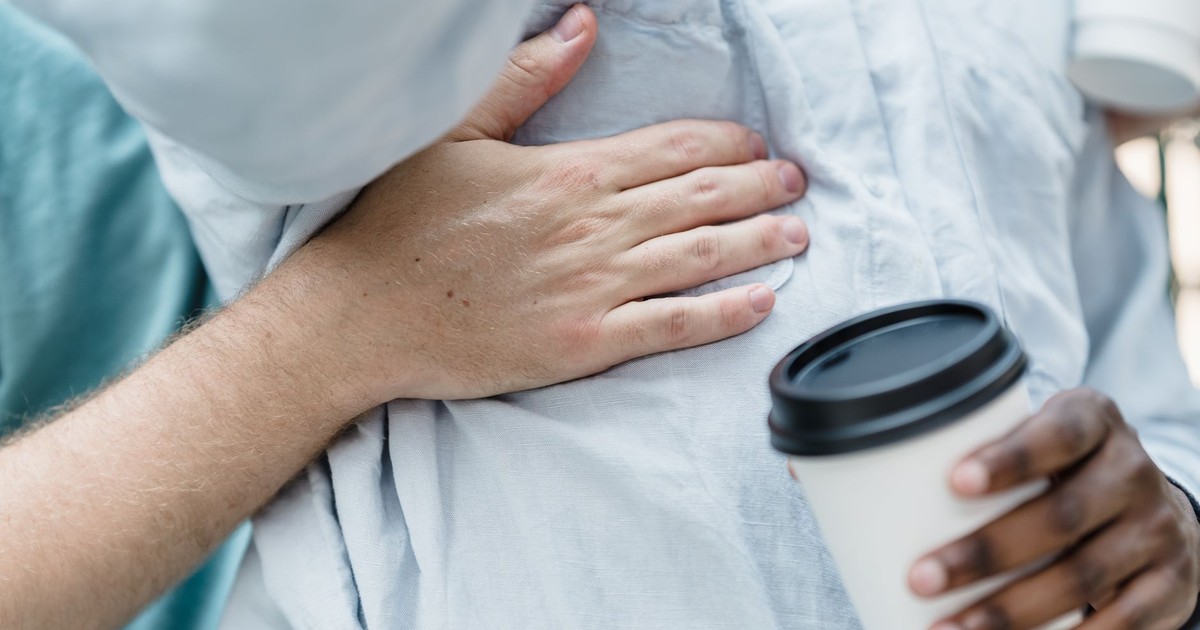
Severe chest pain that radiates to the arm or jaw warrants an emergency 911 call, but other heart attack signs can be more subtle. According to the American Heart Association, chest discomfort is the most common symptom, but it can feel like uncomfortable pressure, squeezing, or fullness rather than the sharp stab most people expect.
The CDC explains that heart attacks often cause “discomfort in the center or left side of the chest” that “lasts for more than a few minutes” and may also “go away and come back.” That waxing-and-waning pattern is what trips people up. They feel something, it fades, they assume they’ve dodged something, and they wait. In cardiac terms, waiting is where outcomes get worse.
If chest discomfort lasts more than a few minutes – even intermittently – treat it as an emergency. Don’t drive yourself to the hospital. Call 911.
2. Shortness of Breath

In older adults, sudden breathlessness can be the first heart attack symptom. Most people don’t expect this because they’ve been conditioned to look for chest pain first. But the heart and lungs work in tandem, and when the heart is struggling, the lungs often signal it before anything else does.
Signs of a heart attack in women, older adults, and people with diabetes often include shortness of breath, fatigue, or a general feeling of illness instead of chest pain. Crucially, when the underlying risk factors are quietly doing their damage, there’s no pain, no shortness of breath, no early warning sign that prompts most people to seek care – which is precisely why sudden breathlessness during routine activity deserves immediate attention.
Research published by the American Heart Association found that people with the highest levels of shortness of breath were more than twice as likely to experience a serious cardiac event over a 30-year follow-up period.
3. Pain That Radiates to the Arm, Shoulder, Back, Neck, or Jaw

Most people know about left arm pain. Far fewer know that the discomfort can travel to the right arm, across the upper back, up through the neck, or settle into the jaw like a bad toothache. The CDC lists jaw, neck, and back pain explicitly among heart attack warning signs, yet these are among the most routinely dismissed because they so closely mimic dental pain, muscle strain, or a stiff neck.
A silent heart attack can make you feel like you have a sore muscle in your chest or upper back, or an ache in your jaw, arms, or upper back. The American Heart Association specifically identifies the arms, back, neck, and jaw as sites where referred cardiac pain commonly lands. Referred pain happens because the nerves running from the heart share pathways with nerves from those areas – the brain can’t always tell the signals apart.
If a jaw ache or backache appears alongside any other symptom on this list, stop attributing it to your pillow.
4. Cold Sweats Without Obvious Cause
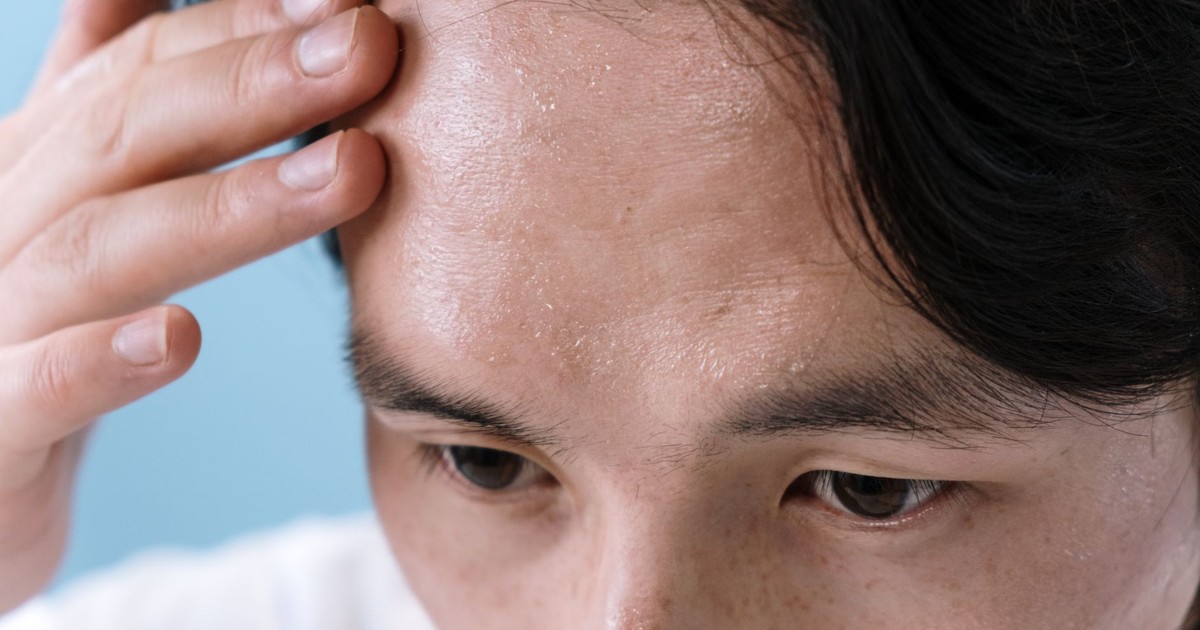
Breaking out in a cold sweat while sitting still – not after exercise, not in a hot room – is one of the body’s stress responses when the heart is under duress. Cleveland Clinic notes that cold sweats are a common heart attack symptom, and Dr. Andrei Brateanu stresses calling 911 when you feel cold and sweaty even without classic chest pain.
The difference is context. Exercise sweating is warm and expected. Cold sweats that appear out of nowhere, especially paired with any chest discomfort, dizziness, or nausea, represent the nervous system reacting to something it perceives as a genuine threat. The CDC confirms that breaking out in a cold sweat is a recognized heart attack warning sign. Don’t dismiss it as anxiety or a hot flash without ruling out something cardiac first.
5. Nausea, Vomiting, or Stomach Pain

Many people mistake these symptoms for a stomach flu or food poisoning, delaying their visit to the emergency room. Nausea during a heart attack occurs because the cardiac event activates the vagus nerve – the same nerve that triggers nausea from other causes – and because reduced blood flow can affect the gastrointestinal system directly.
Women are more likely than men to experience nausea and vomiting as prominent heart attack symptoms, according to the CDC. Some women may feel nauseated or may vomit during a heart attack, which can easily be mistaken for other gastrointestinal issues. The key red flag: nausea that comes on suddenly with no obvious dietary cause, especially alongside upper body discomfort, fatigue, or sweating. If you’re vomiting and also feel pressure or heaviness anywhere from your stomach to your throat, don’t assume it’s food-related.
6. Extreme or Unusual Fatigue – a Key Heart Attack Sign in Women

A study published in Circulation, the journal of the American Heart Association, surveyed 515 women who had survived heart attacks and found that about 70% reported unusual fatigue in the weeks before the event – not chest-clutching, not dramatic collapse, just a heaviness that won’t lift regardless of sleep. Only about 30% reported chest discomfort in that same pre-attack window.
The fatigue associated with an impending heart attack isn’t ordinary tiredness after a long week. Geisinger Health describes it as extreme fatigue or unexplained weakness that can persist for days or even weeks before the acute event. Patients can mistakenly assume the fatigue they’re experiencing is due to aging or other factors, but blockages in coronary arteries could be the culprit – when blood flow to the heart muscle is decreased, a person gets tired more easily. If you find yourself exhausted by tasks that used to feel routine, and rest isn’t fixing it, bring it up with your doctor.
7. Dizziness or Lightheadedness
A sudden feeling of dizziness or lightheadedness – especially with no obvious trigger like standing up too fast or skipping a meal – can signal that the heart isn’t pumping enough blood to the brain. Cardiac stress symptoms include dizziness, heart palpitations, and shortness of breath, each of which can appear without chest pain.
Mayo Clinic lists lightheadedness and sudden dizziness as independent heart attack symptoms, meaning they can appear without any chest pain at all. This is particularly relevant for women and older adults, in whom dizziness is more likely to be the dominant presenting symptom rather than a secondary one. If dizziness comes on suddenly and doesn’t resolve within a few minutes, or if it comes paired with chest tightness or breathlessness, treat it as urgent.
8. Heart Palpitations or Irregular Heartbeat
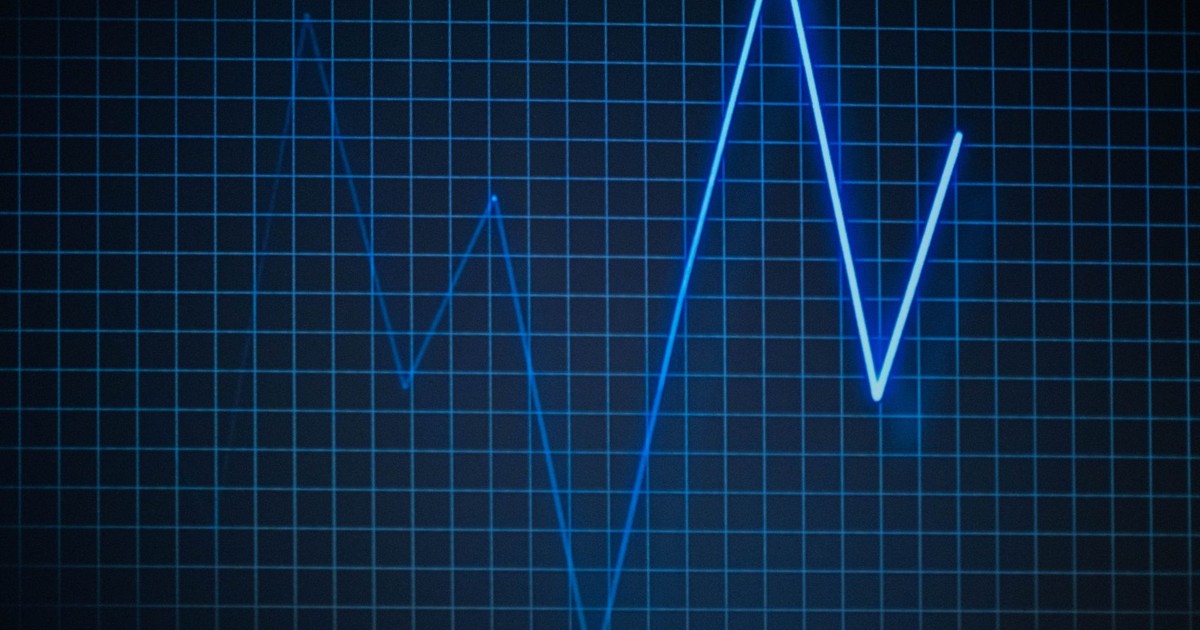
A fluttering, racing, or skipped-beat sensation in the chest can occasionally just be anxiety, caffeine, or a benign arrhythmia. But it can also signal that the heart is under serious stress. Accounts from cardiac patients describe noticing palpitations during routine activity and dismissing them as being caused by heat or exertion – only to discover later that a heart attack had occurred.
The American Heart Association identifies a rapid or irregular heartbeat as a recognized heart attack symptom. The heart’s electrical system can be disrupted when an artery is blocked and part of the muscle isn’t receiving adequate blood flow. If palpitations come on suddenly, last more than a few seconds, and arrive alongside dizziness or shortness of breath, call for help rather than waiting to see if they pass.
9. Jaw Pain or Tooth-Like Discomfort

Dentists occasionally send patients from the chair to the emergency room. Jaw and tooth pain can be a form of referred cardiac pain – the discomfort originates in the heart but is felt in the jaw because the two share nerve pathways. A silent heart attack can cause soreness in the jaw, neck, shoulders, or upper back, with no chest involvement at all.
The American Heart Association explicitly names jaw pain as a cardiac warning sign. The practical test: jaw pain caused by a dental problem typically has a clear local trigger – chewing, pressing on a specific tooth, sensitivity to temperature. Jaw pain that arrives without any obvious dental explanation, especially in combination with fatigue, sweating, or upper body discomfort, is a different matter entirely.
10. Indigestion or Heartburn That Feels Off

Many people think they’re having heartburn when it’s actually a sign of a heart attack. Indigestion can cause the reflux of stomach acids that’s experienced as pain growing through the chest and into the throat and jaw area. The overlap between the two is significant enough that even experienced clinicians occasionally need diagnostic tests to distinguish them.
Silent heart attacks often lack classic severe chest pain, instead presenting as mild discomfort, fatigue, heartburn, or a flu-like illness that may be ignored. The warning flag here is context: heartburn that appears without a dietary trigger, or that doesn’t respond to antacids the way it normally would, especially in someone with known cardiovascular risk factors. The CDC lists heartburn-like symptoms among recognized cardiac warning signs alongside nausea, vomiting, and upper back pain.
11. Anxiety or a Sudden Sense of Dread
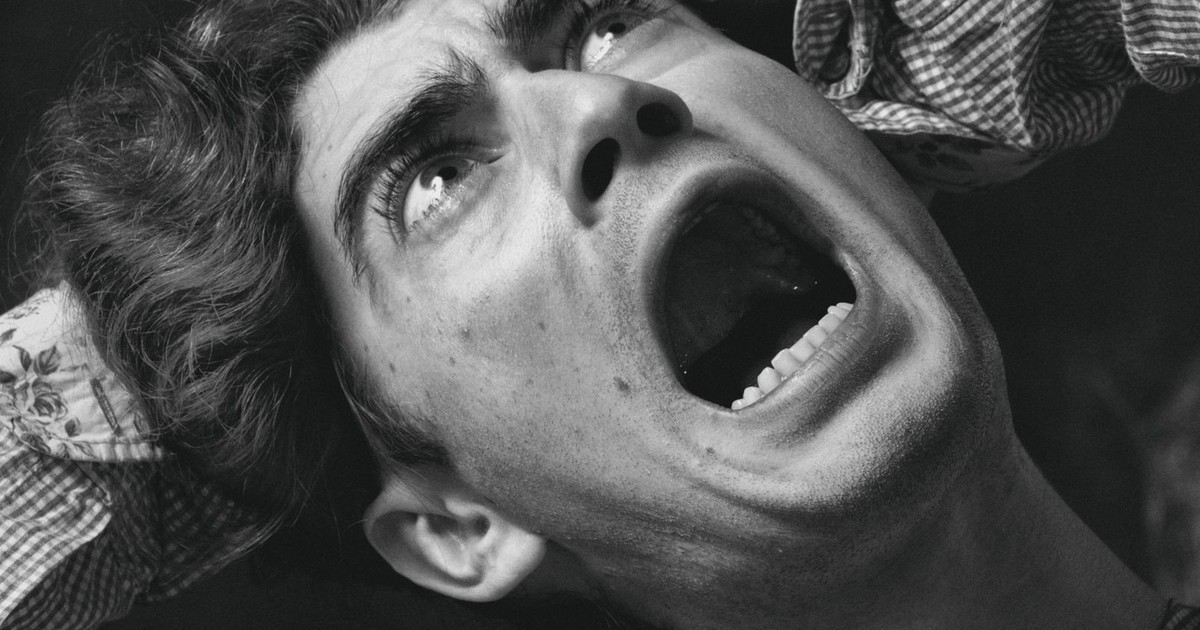
A sudden, inexplicable sense that something is wrong – not a generalized worry but a distinct, unfamiliar feeling of dread – is something cardiac patients describe with striking consistency. Some people may experience a sense of impending doom, anxiety, or a feeling that something is terribly wrong during a heart attack.
Geisinger Health notes that feeling a sense of impending doom is a documented early heart attack sign. The physiology behind it likely involves the body’s stress hormones spiking in response to a cardiac crisis – a flood of adrenaline that registers in the brain as fear. If you or someone near you suddenly describes feeling like something terrible is about to happen, especially alongside any physical symptoms, take it seriously.
12. Upper Back or Neck Pain
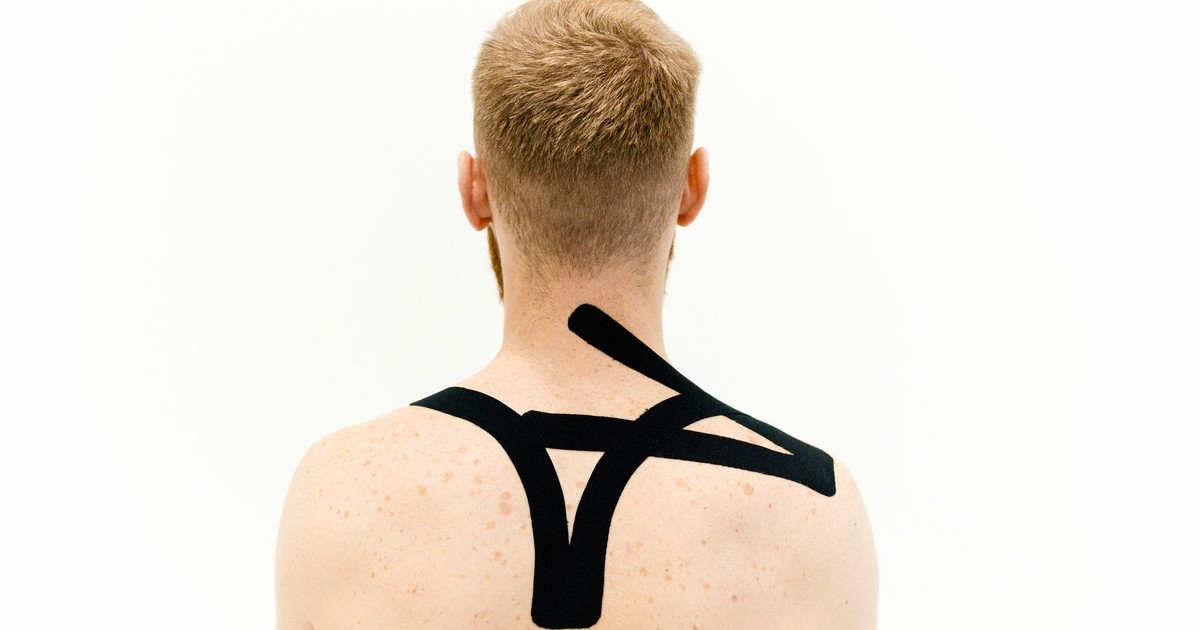
High blood pressure, or hypertension, is a major risk factor for heart disease and can silently damage arteries for years before a cardiac event. When that event arrives, it doesn’t always announce itself through the chest. Upper back pain and neck pain are documented cardiac symptoms that are frequently misread as musculoskeletal.
The CDC lists upper back and neck pain alongside heartburn as recognized heart attack warning signs. The back, between the shoulder blades, is a particularly common site for referred cardiac pain in women. If upper back pain comes on suddenly, doesn’t have an obvious physical cause like lifting or sleeping in an awkward position, and arrives with any other symptom from this list, it belongs in the “get checked today” category – not the “I must have slept wrong” one. If you have risk factors for cardiovascular disease, you can read more about how these risk factors interact and what the latest research says about preventing a cardiac event.
Read More: A Heart Doctor’s 8 Warning Signs You Could Have a Heart Attack – Even If You’re Healthy
What to Do With This Information
A 2025 study published in the Journal of the American College of Cardiology – which tracked more than 9 million adults across the U.S. and South Korea for up to two decades – found that more than 99% of people who suffered a first heart attack, stroke, or heart failure had at least one of four measurable risk factors beforehand: high blood pressure, high cholesterol, elevated blood sugar, or tobacco use. Nearly half of all U.S. adults have high blood pressure – the single most prevalent of those four – and most of them don’t know their numbers are dangerous until something goes wrong. Knowing your baseline is the most concrete thing you can do before any symptom ever appears. Ask your doctor for a full cardiovascular panel at your next visit, and make sure you actually have one scheduled.
Don’t ignore suspicious symptoms that last for 20 minutes or longer. If something feels new, unexplained, and persists – whether it’s fatigue, jaw discomfort, breathlessness, or a creeping sense of dread – treat it as a signal worth investigating. Previous screening may have missed risk factor levels below the clinical threshold, meaning many people with real cardiac risk have been falsely reassured by numbers that looked “almost normal.” Push for specifics. The body rarely sends warnings without reason.
Disclaimer: The author is not a licensed medical professional. The information provided is for general informational and educational purposes only and is based on research from publicly available, reputable sources. It is not intended to constitute, and should not be relied upon as, medical advice, diagnosis, or treatment. Always consult a licensed physician or other qualified healthcare provider regarding any medical condition, symptoms, or medications. Do not disregard, avoid, or delay seeking professional medical advice or treatment because of information contained herein.
AI Disclaimer: This article was created with the assistance of AI tools and reviewed by a human editor.