

A drug that’s been on pharmacy shelves for over a century – originally developed to treat gout – is now at the center of a serious conversation in cardiology about whether it qualifies as a heart attack prevention pill. It costs pennies a day. It fits into any weekly pill organizer. And a 2025 Cochrane systematic review found that low-dose colchicine taken daily could prevent roughly 9 heart attacks and 8 strokes for every 1,000 people with established cardiovascular disease who take it, compared to those who don’t. The Cochrane review focused on secondary prevention – people who already have cardiovascular disease – and its authors noted that most of the underlying trials were industry-funded, a limitation worth keeping in mind when interpreting the findings.
That number looks modest in isolation. Scaled across the tens of millions of adults living with cardiovascular disease in the United States alone, it changes the picture considerably. Colchicine is one of several proven, inexpensive drugs that eligible patients are simply not being prescribed – a gap that a growing body of research is making harder to ignore.
Several of these medications have been on the market for decades. Others are newer. All of them target the biological mechanisms that cause most heart attacks and strokes, and all of them remain underused in the populations most likely to benefit.
The Polypill Approach

Researchers at University College London have argued that the NHS could prevent thousands more heart attacks and strokes every year by offering everyone aged 50 and over a single “polypill” – a tablet combining a statin and three blood pressure-lowering drugs. Their proposal, published as an opinion piece in The BMJ, is built on a straightforward premise: most people at risk of heart disease have more than one risk factor, and treating each one separately means multiple prescriptions, multiple co-pays, and dramatically lower adherence.
The UCL authors pointed to a landmark 2003 paper estimating that a polypill for all adults over 55 could prevent about 80% of heart attacks and strokes, and they argued its conclusion had since been supported by clinical trials conducted across several countries. A 2022 trial published in the New England Journal of Medicine found that among patients already living with cardiovascular disease, those assigned to a polypill strategy had significantly lower rates of cardiovascular death, heart attack, and ischemic stroke compared to those receiving usual care.
Despite this evidence accumulating over two decades, and despite the World Health Organization adding the polypill to its list of essential medicines, no large-scale polypill primary prevention programme has been implemented anywhere. One practical obstacle the UCL team identified: the polypill approach would only require uptake by around 8% of those aged 50 and over to outperform the existing NHS Health Check programme in cardiovascular benefit – and yet the structural shift hasn’t happened. It’s worth noting that some of the UCL researchers have disclosed affiliations with Polypill Ltd, the company running the UK Polypill Prevention Programme, which should be factored in when weighing their advocacy for wider rollout.
Why Statins Are Still Being Under-Prescribed

Statins lower LDL cholesterol – the type that accumulates inside arterial walls and raises the risk of a blockage. They’ve been around for decades, their safety profile is well-established, and generic versions cost as little as a few dollars a month. Tens of millions of people who would benefit from them remain unprotected.
The 2024 American Heart Association and American Stroke Association guidelines for the primary prevention of stroke identify lipid-lowering medications as one of seven key domains for personalized prevention. That same year, a research team at University College London compared prevention approaches and found the polypill-based strategy consistently outperformed standard NHS Health Check protocols at preventing cardiovascular events. A newer class of injectable cholesterol-lowering drugs called PCSK9 inhibitors is generating its own evidence. In clinical trials, evolocumab – typically used for patients who already have cardiovascular disease – reduced the risk of major cardiovascular events by approximately 31% in people with chronic coronary disease, according to the trial data that supported its FDA-approved use.
For anyone concerned about their cholesterol, asking a doctor specifically about statin eligibility is now more consequential than it was five years ago. Guidelines have continued to expand the definition of who qualifies – a shift that means millions of adults who previously fell below the treatment threshold now meet criteria for medication. Learn more about how cardiovascular medications are being reassessed for different patient groups and which ones deserve a second look.
Blood Pressure Targets Are Changing
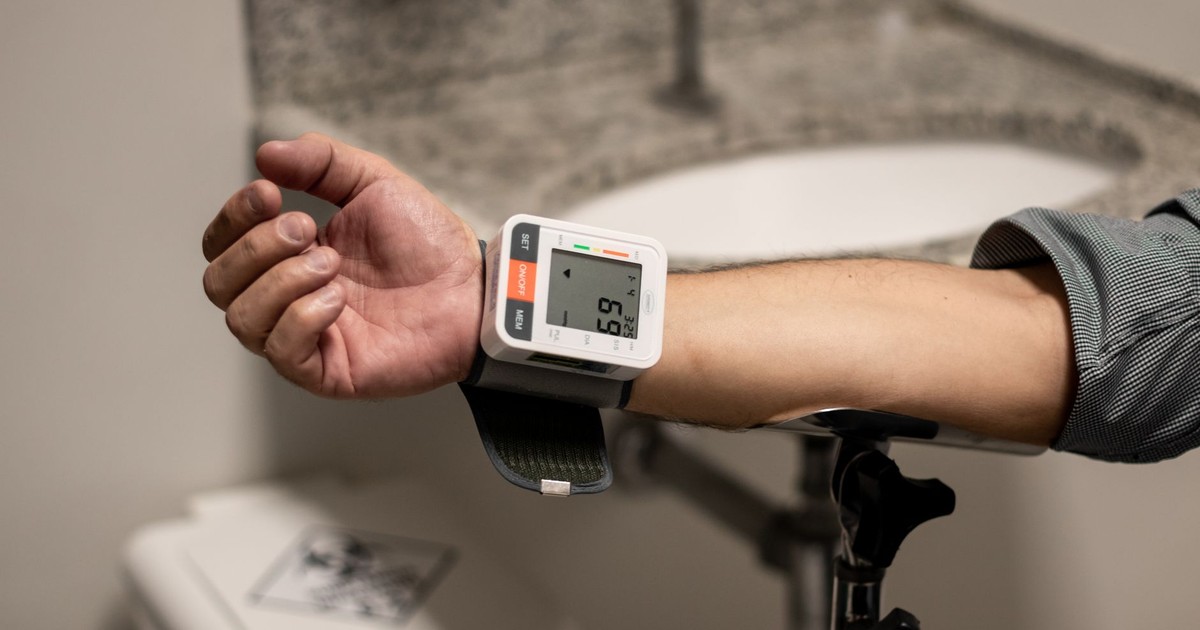
High blood pressure is the leading risk factor for both ischemic stroke – caused by a clot – and hemorrhagic stroke, caused by a burst blood vessel. It remains one of the most undertreated conditions in the developed world, in part because it causes no symptoms until it causes a crisis.
The math on treatment is concrete. A 5 mm Hg reduction in systolic blood pressure lowers the relative risk of major cardiovascular events by around 10%, according to a landmark analysis in The Lancet. Push that reduction further – a 10 mm Hg drop in systolic pressure – and the risk of stroke falls by roughly 27%, according to earlier Lancet data. For someone managing persistently elevated blood pressure, a single daily antihypertensive tablet can function as one of the most effective heart attack prevention pills in their routine.
The 2024 AHA/ASA stroke prevention guidelines tightened blood pressure targets for people at elevated risk. Blood pressure management was one of the seven key updated domains, with guidance steering clinicians toward a target below 130/80 mm Hg for adults with stage 2 hypertension or stage 1 hypertension combined with high cardiovascular risk. Getting blood pressure into a healthy range – through medication when lifestyle changes alone aren’t enough – is not optional for anyone with an elevated cardiovascular risk profile.
Colchicine and the Inflammation Target

Inflammation plays a larger role in heart attacks and strokes than most people realize. Arterial plaques don’t just form from fat deposits – they’re driven and destabilized by chronic inflammation inside blood vessels. That biological mechanism is where colchicine, used for gout since the 1800s, has found a new clinical role.
In June 2023, the FDA approved low-dose colchicine at 0.5 mg daily – sold under the brand name Lodoco – specifically for reducing cardiovascular event risk in adults with established atherosclerotic disease or with multiple cardiovascular risk factors. It was the first anti-inflammatory drug ever approved for this indication. The approval was supported by the LoDoCo2 trial, a randomized, placebo-controlled study of more than 5,000 patients with chronic coronary disease, which found a 31% relative reduction in cardiovascular events among those on colchicine. The 2025 Cochrane review of secondary prevention trials found 9 fewer heart attacks and 8 fewer strokes per 1,000 people treated – with gastrointestinal side effects the most commonly reported downside, typically mild and short-lived, and no serious adverse events identified. The Cochrane authors acknowledged that most included trials carried some risk of bias due to industry funding.
Despite the FDA approval and accumulating trial data, prescriptions for low-dose colchicine for cardiovascular prevention remain rare. If you’ve had a heart attack, a stent, or a diagnosis of chronic coronary artery disease, it’s worth asking your doctor whether colchicine belongs in your prevention plan.
GLP-1 Drugs and the Unexpected Heart Benefit

Semaglutide, sold as Wegovy for weight management, belongs to a class of drugs called GLP-1 receptor agonists – medications that mimic a gut hormone involved in blood sugar regulation and appetite control. Their cardiovascular benefits were first identified as a secondary finding in diabetes trials. They’ve since moved to the center of stroke prevention discussions.
The 2024 AHA/ASA stroke prevention guideline gives GLP-1 receptor agonists a Class I recommendation for patients with Type 2 diabetes and high cardiovascular risk or established cardiovascular disease – meaning the evidence is strong enough that treatment is considered effective for reducing stroke risk in that population, not merely worth investigating. The guideline notes that further research is still needed to determine efficacy for broader primary stroke prevention in people without diabetes. The cardiovascular benefit in people with diabetes appears to be at least partly independent of weight loss – GLP-1 drugs seem to have direct effects on blood vessel inflammation and plaque stability, not just on the downstream effects of reduced body weight. For people with obesity or Type 2 diabetes who also carry elevated cardiovascular risk, this drug class now has a formal guideline recommendation behind it, though side effects and access costs remain real considerations that warrant a direct conversation with a primary care doctor or cardiologist.
Read More: Major Study Links 99% of Heart Attacks and Strokes With 4 Risk Factors
What to Do With This Information

A study led by researchers at Northwestern Medicine and Yonsei University, published in the Journal of the American College of Cardiology, analyzed health records for more than 9 million adults and found that over 99% of people who suffered a heart attack, stroke, or heart failure already had at least one risk factor above optimal levels beforehand. The four risk factors driving nearly all of these events are high blood pressure, high cholesterol, elevated blood sugar, and tobacco use. Every drug covered in this article targets at least one of them directly.
The core problem isn’t a shortage of effective medications. Statins, blood pressure drugs, colchicine, and GLP-1 receptor agonists all have strong clinical trial evidence behind them, and all of them are being under-prescribed in the populations most likely to benefit. If you’re 40 or older and haven’t recently discussed your cardiovascular risk profile with a doctor, that conversation is the most concrete step available to you. Ask about your LDL cholesterol, your blood pressure, your blood sugar – and ask specifically whether any of these medications belong in your plan.
Disclaimer: This information is not intended to be a substitute for professional medical advice, diagnosis, or treatment and is for information only. Always seek the advice of your physician or another qualified health provider with any questions about your medical condition and/or current medication. Do not disregard professional medical advice or delay seeking advice or treatment because of something you have read here.
AI Disclaimer: This article was created with the assistance of AI tools and reviewed by a human editor.