
Ten of the twelve scientists who opened King Casimir IV’s tomb in Poland in 1973 were dead within weeks. For decades, the deaths went largely unexplained. When investigators finally examined the burial site more carefully, they found the chamber was contaminated with a toxic yellow-spored fungus – the same species later implicated in suspicious deaths during excavations of King Tutankhamun’s tomb half a century before.
The fungus is called Aspergillus flavus, and its reputation has been, until very recently, defined entirely by the harm it causes. It colonizes crops, produces carcinogenic toxins called aflatoxins, and – in people with weakened immune systems – triggers severe lung infections. The idea that this same organism might yield a new class of cancer-fighting drugs would have seemed far-fetched just a year ago.
Now it doesn’t. In June 2025, researchers led by the University of Pennsylvania published findings in Nature Chemical Biology showing they had extracted a previously unknown class of molecules from A. flavus and modified them into compounds that rival FDA-approved leukemia drugs in killing cancer cells. The story of how they got there covers ancient tomb mysteries, a molecular detective method, and a fatty compound from royal bee jelly – and it may reshape how scientists search for the next generation of cancer medicines.
The Tomb Deaths That Set the Stage
After isolating a new class of molecules from Aspergillus flavus, a toxic crop fungus linked to deaths in the excavations of ancient tombs, the researchers modified the chemicals and tested them against leukemia cells. But the tomb connection is more than just a dramatic backstory. It points to a fungus with a remarkably rich chemical toolkit – one that, until now, scientists had looked at only from a toxicology angle.
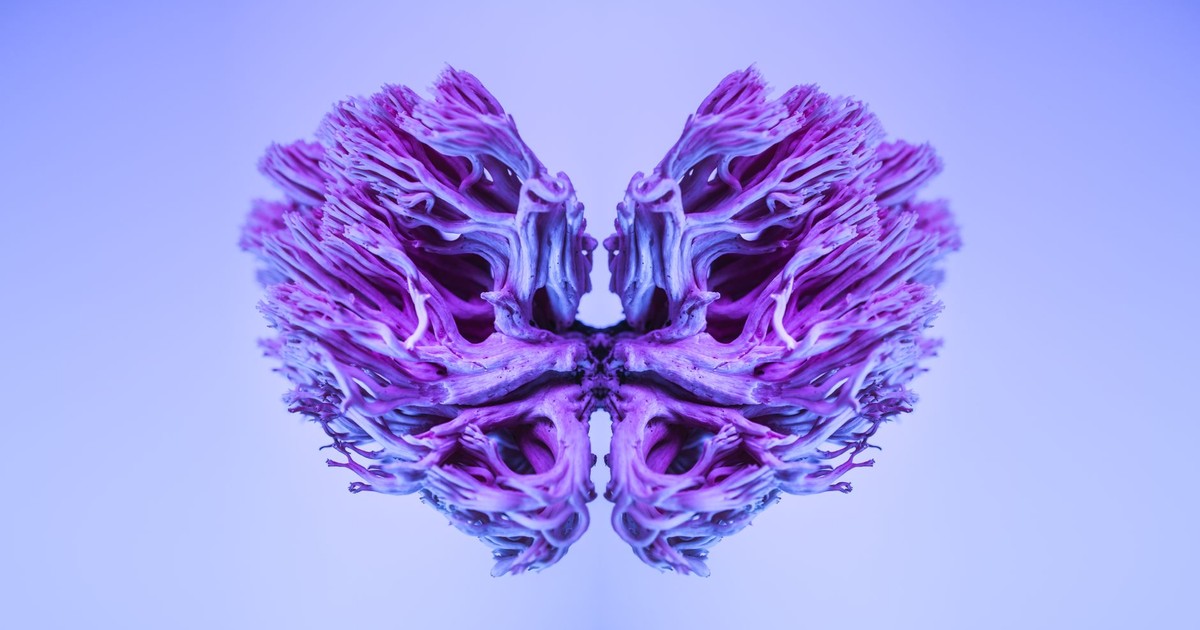
Penn-led researchers turned a deadly fungus into a potent cancer-fighting compound. After isolating a new class of molecules from Aspergillus flavus, a toxic crop fungus linked to deaths in the excavations of ancient tombs, the researchers modified the chemicals and tested them against leukemia cells. The fungus’s sinister history provided the motivation to look more closely – and what they found inside its genome was something no one had documented before.
According to Blood Cancer United, 66,890 people were expected to be diagnosed with leukemia in the United States in 2025, with an estimated 475,323 people living with or in remission from the disease. For a cancer where some subtypes carry a five-year survival rate as low as 31%, the search for new treatments is not academic – it’s urgent. The Penn team’s motivation to look inside a notorious fungus for something useful reflects a broader scientific bet: that nature has already solved problems we’re still trying to crack.
The Molecular Detective Work That Found Asperigimycins
To find more fungal RiPPs, researchers scanned a dozen strains of Aspergillus, which studies suggest may contain more anti-cancer compounds. When they compared the chemicals produced by these strains with known RiPP building blocks, they found A. flavus to be a promising candidate for further study.
Genetic analysis unveiled a certain protein in A. flavus as a source of fungal RiPPs. When the researchers shut off the genes that create this protein, the chemical markers signaling the presence of RiPPs also disappeared. That confirmation – essentially proving the genetic origin of the compounds by switching them off – was the key that unlocked the discovery. This novel approach, combining metabolic and genetic information, not only pinpointed the source of fungal RiPPs in A. flavus, but could be used to find more fungal RiPPs in the future.
After purifying four different RiPPs, the researchers found the molecules shared a unique structure of interlocking rings. They named these molecules, which had never been previously described, after the fungus in which they were found: asperigimycins. RiPPs – ribosomally synthesized and post-translationally modified peptides – are a class of natural compounds built inside cells using the body’s own protein-making machinery, then chemically altered afterward. Fungi are still an underexplored source of natural products compared with bacteria. The Penn scientists publishing in Nature Chemical Biology took it on themselves to characterize a group of compounds in fungi called ribosomally synthesized and post-translationally modified peptides, or RiPPs for short.
The Fungus Cancer Drug That Matched FDA-Approved Chemotherapy
Even without modification, when mixed with human cancer cells, asperigimycins demonstrated medical potential: two of the four variants had potent effects against leukemia cells. That was remarkable enough on its own. Raw, unmodified molecules extracted directly from a toxic fungus showed activity against cancer cells without any chemical adjustment.
The team didn’t stop there. They chemically modified one variant by attaching a lipid – a small fatty molecule – to its structure. According to Penn Engineering, that variant, to which the researchers added a lipid also found in the royal jelly that nourishes developing bees, performed as well as cytarabine and daunorubicin, two FDA-approved drugs that have been used for decades to treat leukemia. Cytarabine and daunorubicin are cornerstones of standard leukemia treatment. Matching their potency with a newly discovered, naturally derived compound is a result that demands clinical follow-up.
The specific variant that achieved this result was asperigimycin B, modified with a C-11 linear fatty acid. Sherry Gao, Presidential Penn Compact Associate Professor in Chemical and Biomolecular Engineering at Penn, has noted that “many fungal molecules are made in tiny amounts and are structurally complex,” making them hard to isolate at scale and difficult to get into cells without degradation – which is why her team invested in chemical modifications like lipid tagging. The lipid modification didn’t just boost potency – it solved one of the core engineering problems of getting a fragile natural molecule into a cancer cell intact.
The Cellular Doorway: How Asperigimycins Get Inside Cancer Cells
Getting a drug into a target cell without destroying healthy tissue nearby is one of the central challenges of cancer pharmacology. The Penn team’s work identified exactly how asperigimycins enter human cells – a finding that could shape how the drug is eventually developed for clinical use.
SLC46A3 is a transporter gene that proved critical in allowing asperigimycins to enter leukemia cells in sufficient numbers. According to Penn Engineering, it helps materials exit lysosomes – the tiny sacs that collect foreign materials entering human cells – acting as a molecular gateway that the lipid-modified compound can pass through efficiently. Knowing which transporter carries asperigimycins into cells gives researchers a specific biological target that could inform drug design even if the exact molecule changes downstream.
Tumors that express high levels of SLC46A3 may prove more susceptible to this fungus cancer drug, while those with low expression may not respond. A patient’s tumor biology, rather than a broad chemotherapy protocol, could one day determine whether a RiPP-based therapy is the right fit – the kind of molecular precision that defines modern targeted oncology.
Fungi as Medicine: A Pattern With Deep Roots
The asperigimycin story is extraordinary, but the concept behind it – mining fungi for human medicines – has a long and productive history. Fungi have produced many of the important drugs we now take for granted. The first antibiotic, penicillin, was discovered in fungi, and so were the first statins. Statins, taken daily by tens of millions of people worldwide to manage cholesterol, trace their origins back to fungal chemistry.
Scottish bacteriologist Alexander Fleming identified penicillin from Penicillium mold in 1928 – a discovery that sparked the antibiotic era. That pattern of finding life-saving compounds in unexpected biological sources is exactly what the Penn team is building on, but with modern molecular tools that Fleming could never have imagined. The ability to read a fungus’s genome, identify which genes produce which chemicals, silence those genes to confirm the connection, and then chemically redesign the molecules for better cell penetration represents a fundamentally new approach to natural product drug discovery.
As Gao put it: “Fungi gave us penicillin.” Her team’s findings suggest the next chapter of that story is still being written – that organisms once cataloged only as threats may be holding compounds medicine hasn’t asked them for yet.
What This Means for You
The asperigimycins are still early-stage compounds. The researchers stress that their next milestones involve in vivo testing of asperigimycins to evaluate pharmacokinetics, bioavailability, and safety profiles within animal models. While clinical trials remain a few years away, Gao has described her optimism for improvement. The path from a promising lab result to a drug that oncologists can prescribe is long – typically spanning a decade or more – and many compounds that look potent in cell studies don’t survive the demands of live animal testing or human trials.
That said, the research matters right now for two reasons. First, it demonstrates a new method for finding anti-cancer compounds in fungi – a biological kingdom that, as the Penn team showed, contains far more untapped chemistry than scientists previously assumed. That approach, combining metabolic and genetic information, could be used to find more fungal RiPPs in the future. Second, the identification of SLC46A3 as the cellular entry point for modified asperigimycins gives researchers a molecular handle – a specific biological target – that could inform drug design even if the exact molecule changes. According to Blood Cancer United, the five-year relative survival rate for leukemia has more than doubled since the 1970s – but for acute myeloid leukemia specifically, it still sits at just 31%. For patients with those harder-to-treat subtypes, every credible new candidate in the pipeline counts.
Disclaimer: This information is not intended to be a substitute for professional medical advice, diagnosis, or treatment and is for information only. Always seek the advice of your physician or another qualified health provider with any questions about your medical condition and/or current medication. Do not disregard professional medical advice or delay seeking advice or treatment because of something you have read here.
AI Disclaimer: This article was created with the assistance of AI tools and reviewed by a human editor.
Read More: Scientists Warn Common Kitchen Habit Could Raise Your Dementia Risk, According to Latest Research