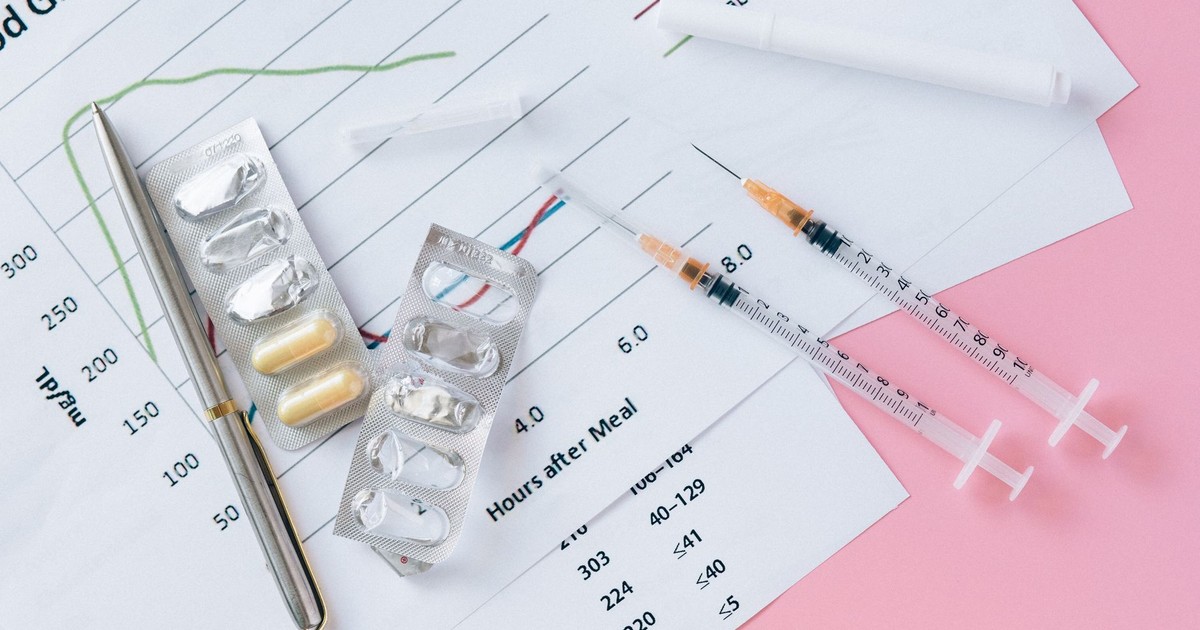

Warfarin keeps roughly 4 million Americans from developing life-threatening blood clots, and a single bowl of spinach can send its effectiveness off course. The drug operates within a very narrow therapeutic window, meaning the difference between a dose that works and one that causes serious internal bleeding is surprisingly small. Everyday foods can push it either way.
Warfarin works by disrupting the role of vitamin K in the molecular cascade that triggers blood clotting. Anything that influences vitamin K levels, or that affects the liver enzymes responsible for breaking the drug down, changes how much active warfarin is circulating in the bloodstream. That means the list of foods that can interfere with blood thinners includes items that appear on nearly every “healthy eating” shortlist: leafy greens, garlic, ginger, fish oil, green tea.
These interactions can either make your blood thinner too strong, increasing your risk of bleeding, or not strong enough, which could let dangerous clots form. A 2014 study in the American Journal of Hematology estimated that 10 to 16% of patients treated with warfarin will experience a major bleeding event. That number is not fixed – diet, supplements, and alcohol can all move it. Here are the 11 foods most likely to cause a problem.
1. Leafy Green Vegetables
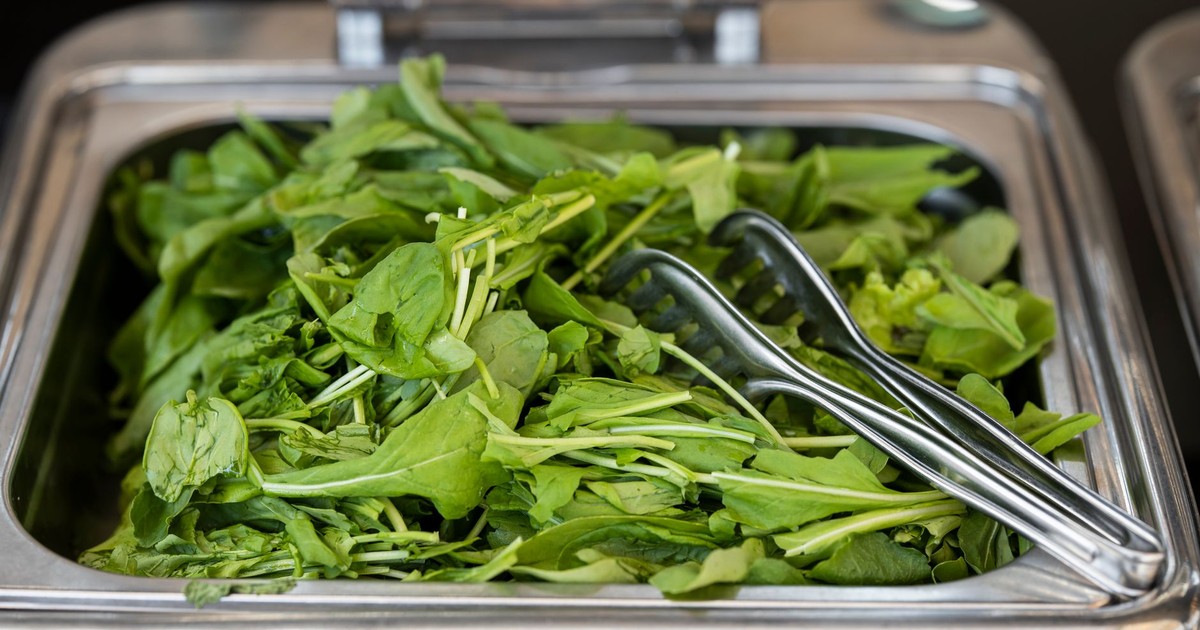
Kale, spinach, collard greens, Swiss chard, mustard greens, Brussels sprouts – these are among the most nutritious foods on the planet, and also the most direct dietary challenge for anyone on warfarin. They are all dense with vitamin K, the very nutrient that warfarin blocks to prevent clotting. Consuming these foods while taking warfarin can lead to bleeding problems, and vitamin K-rich vegetables are central to that concern.
More vitamin K in the body gives the clotting system more of the raw material it needs to work, which counteracts what the drug is trying to do. A systematic review published in Medicine found that an effect on coagulation from dietary vitamin K appears at intakes above roughly 150 micrograms per day – equivalent to about 30 grams of cooked spinach. The INR (International Normalized Ratio, the blood test used to measure how well warfarin is working) can drop to subtherapeutic levels after a sudden increase in leafy green consumption.
The practical guidance is not total avoidance. If you’re taking warfarin, you don’t have to give up vitamin K-rich foods completely. Changing how much vitamin K you’re getting from week to week is what causes problems. Eat your kale, but eat the same amount every week.
2. Cranberry Juice
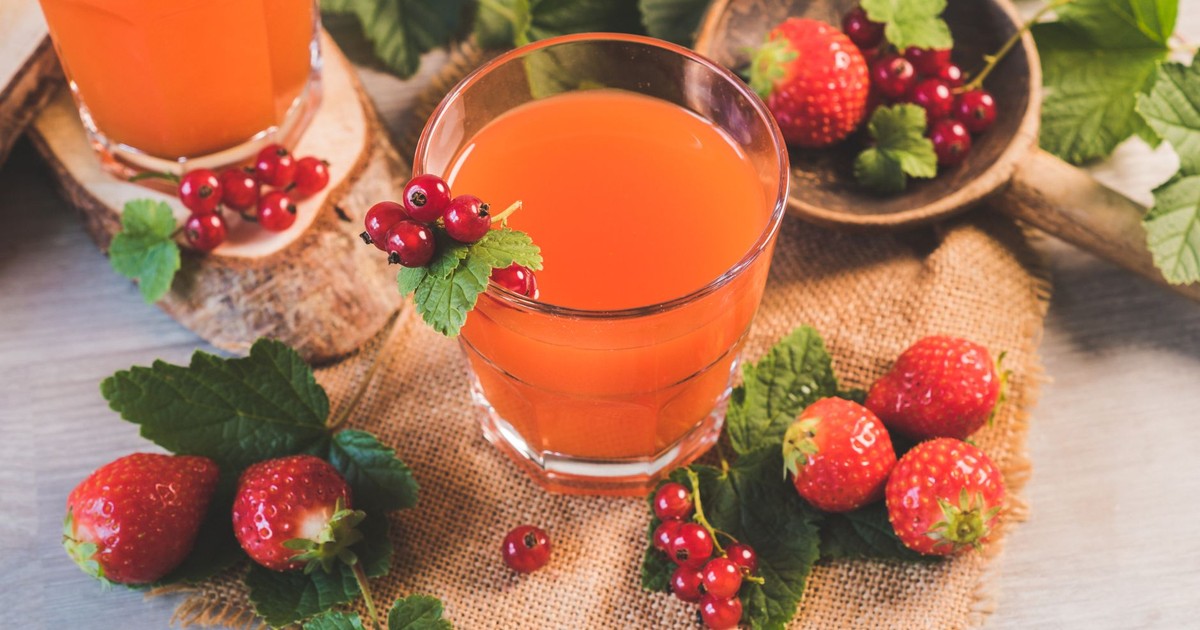
Cranberry juice looks like a simple, benign health drink. Its interaction with warfarin is far from benign. Multiple case reports have documented that cranberry juice increased INR levels and caused bleeding in patients taking warfarin, with at least one fatality reported in the UK.
According to a review published in Pharmacotherapy, the UK’s Committee on Safety of Medicines alerted clinicians to a potential interaction between warfarin and cranberry juice and advised that patients avoid their concurrent use. The proposed mechanism involves flavonoid compounds in cranberry that inhibit cytochrome P450 enzymes in the liver, allowing more active warfarin to accumulate in the bloodstream. As documented in a review by the American Academy of Family Physicians, the Committee received 12 reports of suspected interactions, including cases with elevated INR and bleeding episodes.
Large amounts of cranberry juice appear to carry the greatest risk, but even moderate regular consumption can cause fluctuations in INR readings that make the medication harder to manage. Cranberry supplements carry the same concern. Patients on blood thinners are generally advised to avoid or significantly limit both.
3. Grapefruit
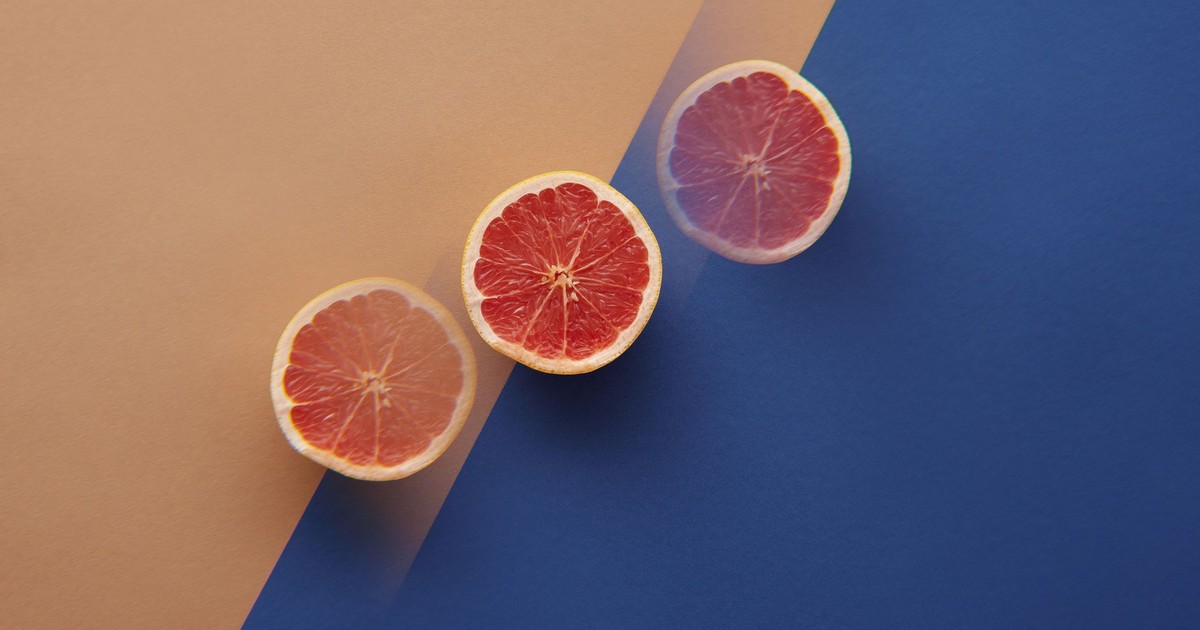
Grapefruit’s capacity to interfere with prescription medications is well-established enough that drug manufacturers are required to flag it on labels. The problem lies in specific compounds called furanocoumarins, found in the fruit and its juice. These compounds block the liver enzyme your body uses to break down warfarin, so the drug lingers longer and builds to higher levels than your dose was calibrated for.
Grapefruit juice acts as a moderate to strong CYP450 3A4 inhibitor, potentially decreasing clearance of warfarin. According to UPMC, grapefruit can either enhance or reduce the effects of blood thinners, leading to increased bleeding risk. The Mayo Clinic notes that “chemicals in the fruit can get in the way of the medicine breaking down.”
The effect can persist for 24 to 72 hours after consuming grapefruit or its juice, so spacing out intake doesn’t reliably eliminate the risk. Pomelo and Seville oranges contain the same compounds.
4. Pomegranate Juice
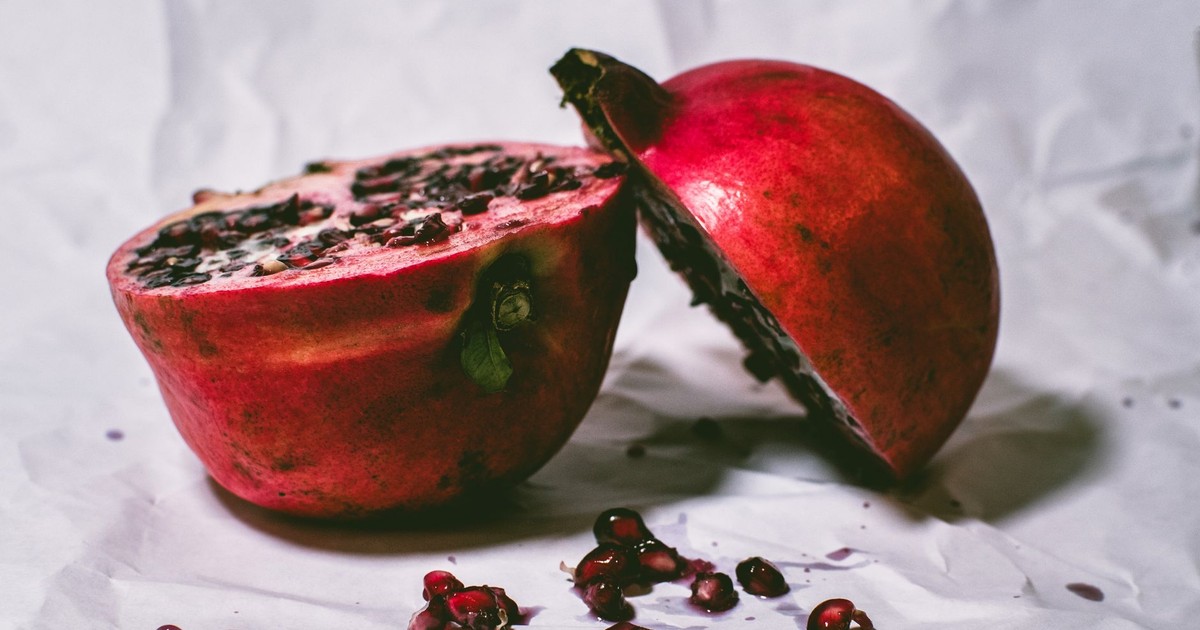
Pomegranate juice is increasingly popular for its antioxidant content, but for people on blood thinners, it carries a risk that few consumers are aware of. Laboratory studies show that pomegranate juice inhibits CYP450 2C9, the primary enzyme responsible for metabolizing warfarin, so any substance that inhibits it can cause warfarin levels to climb.
Patients are generally advised to avoid or limit cranberry juice, grapefruit juice, and pomegranate juice due to potential enhancement of warfarin’s effects. Case reports published in the Emergency Medicine Journal have described patients experiencing dangerously elevated INR after adding pomegranate juice to their regular diet while on warfarin. In one documented case, a patient’s INR reached 12.9 after drinking around 200ml of pomegranate juice daily for less than a week. The interaction is less extensively studied than grapefruit, but the underlying enzyme pathway is well understood, and the caution is clinically warranted.
5. Garlic
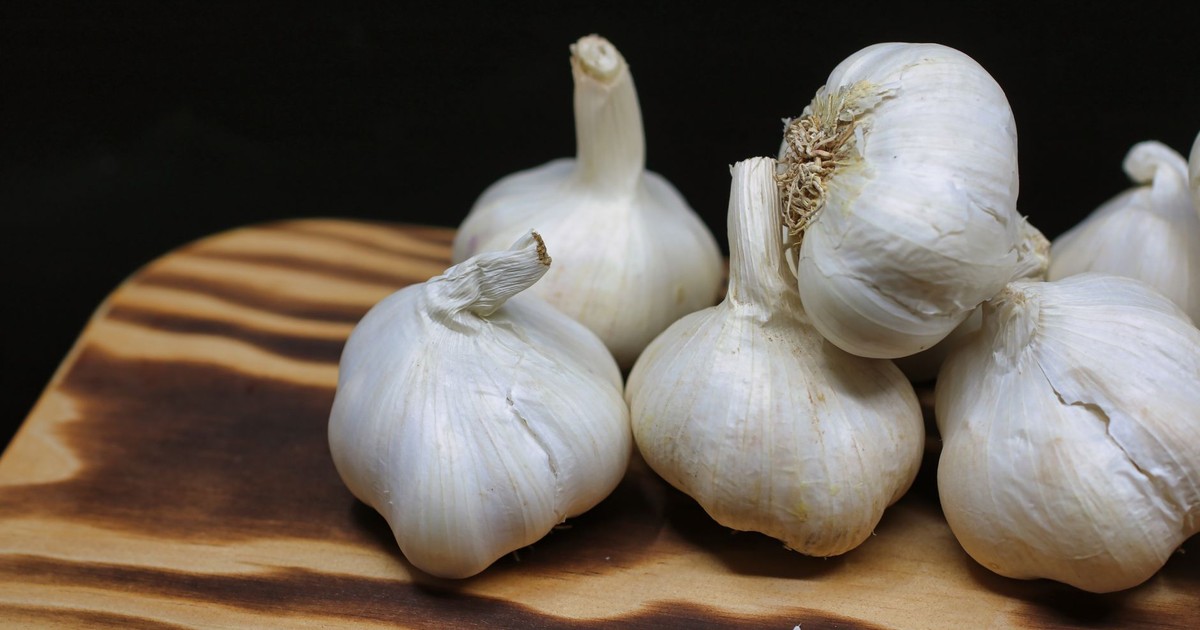
Garlic used in normal cooking quantities is generally not a significant concern. It’s the concentrated doses found in garlic supplements – and very large amounts of raw garlic – that create a meaningful interaction risk. Garlic has natural antiplatelet properties, meaning it inhibits the tiny blood cells that form clots from clumping together.
When combined with warfarin, these two effects – warfarin’s anticoagulation and garlic’s antiplatelet action – can compound each other. Drugs.com’s interaction database notes that garlic can enhance warfarin’s effect and increase bleeding risk, a concern primarily linked to supplements delivering standardized allicin doses well above what any meal would provide.
If you’re on warfarin and regularly taking garlic supplements, let your prescriber know. A review of your INR schedule may be needed.
6. Ginger
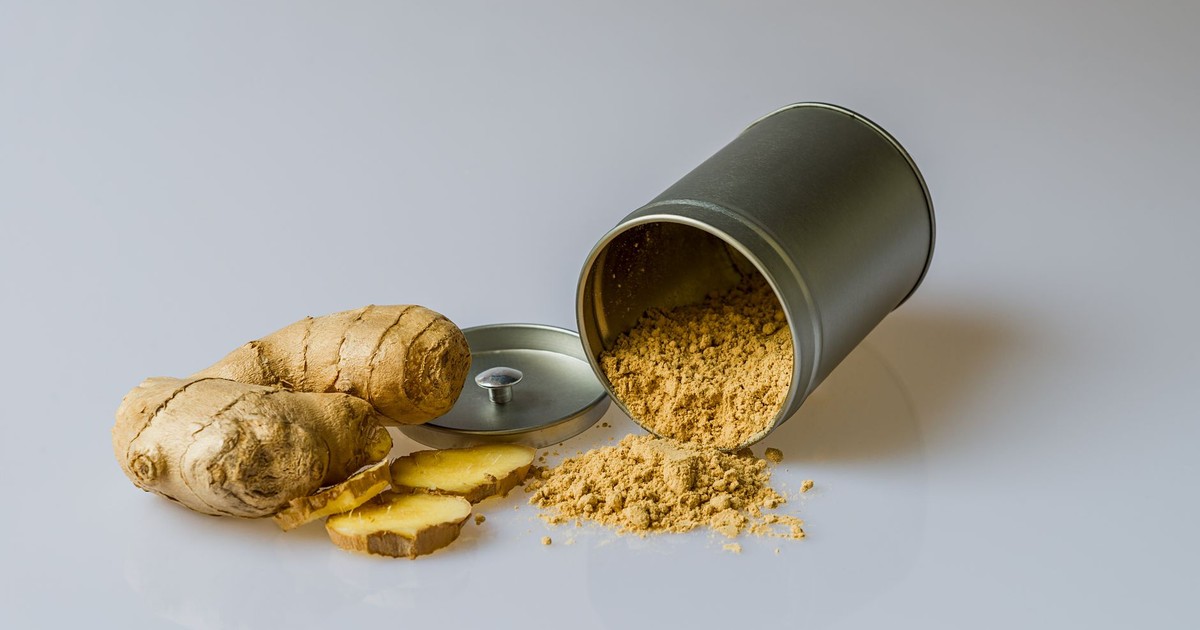
Ginger and warfarin share an interaction profile similar to garlic’s, and for the same basic reason. Drugs.com notes that “ginger can interact with several types of medicines, especially blood thinners.” Like garlic, ginger possesses antiplatelet properties – it interferes with thromboxane production, one of the chemical signals that triggers platelet aggregation.
The evidence here is genuinely mixed. Some studies show a meaningful increase in bleeding risk; others find the effect modest at culinary doses. The interaction is most relevant with high-dose ginger supplements or very regular large-quantity use such as therapeutic ginger tea consumed multiple times daily. Occasional ginger in cooking or even a cup of ginger tea is unlikely to push INR outside the therapeutic range in most patients.
Abrupt increases in ginger consumption, especially in supplement form, are worth mentioning to your prescriber, particularly if you’re due for an INR check.
7. Green Tea
Green tea has a dual mechanism for interfering with warfarin – and the two work in opposite directions, which is part of what makes management complicated. Green tea also contains some vitamin K, so it’s generally safer to choose black tea, which doesn’t carry the same interaction risk.
The vitamin K content in green tea is relatively modest per cup but can become relevant at high daily volumes, particularly if someone dramatically increases their intake. Drugs.com notes that “large changes in vitamin K intake can change your blood clotting test,” which applies to consistent large quantities of green tea. Sudden increases or decreases in vitamin K-rich foods can reduce the effectiveness of warfarin, potentially raising clot risk. The goal is consistent daily intake rather than complete avoidance.
If green tea is already a daily habit at a consistent amount, the risk is lower than if someone were to suddenly double or triple their intake.
8. Fish Oil
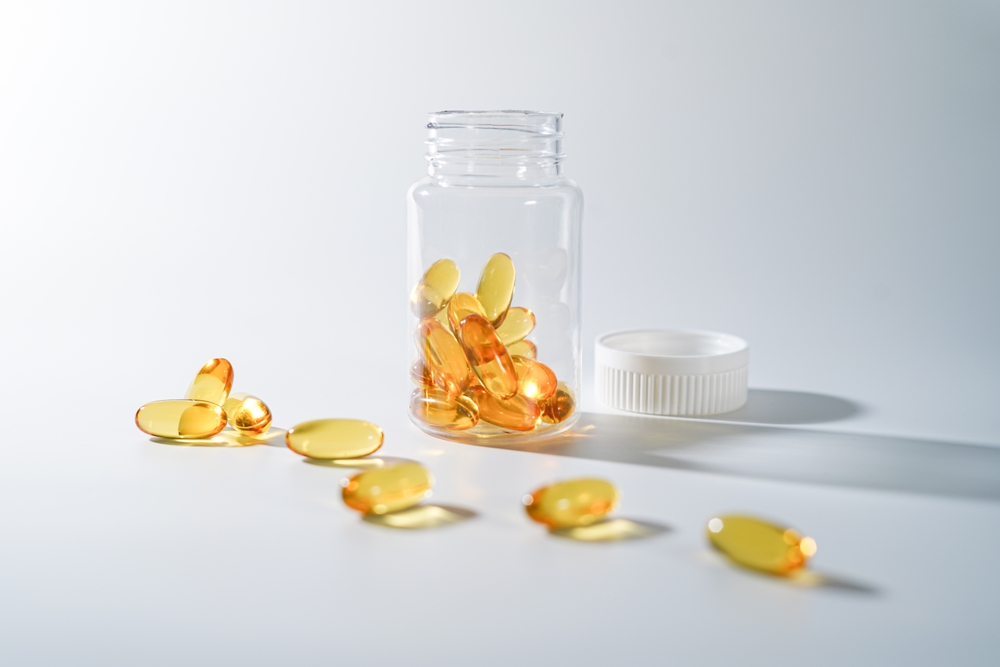
Fish oil is one of the most widely used supplements in America, and its cardiovascular reputation is well-earned. At high doses, though, it creates a meaningful interaction with blood thinners. Omega-3 fatty acids naturally affect how platelets aggregate and alter the production of compounds that regulate clotting. Combined with warfarin’s anticoagulant effects, high-dose fish oil can push INR above the therapeutic range.
According to Drugs.com’s interaction checker, fish oil has antiplatelet effects and can increase INR, with doses above 1 to 2 grams daily being the primary concern. People on anticoagulants like warfarin face a compounded bleeding risk from fish oil’s effect on clotting factors.
The threshold at which this becomes clinically relevant appears to be around 3 grams of omega-3s daily, though individual responses vary. You can find additional context about diet and blood clot risk in this article on foods that may affect blood clot risk. If you take fish oil alongside a blood thinner, tell your prescriber the dose. A lower-dose supplement or monitoring adjustment may be appropriate.
9. Alcohol
Alcohol’s interaction with blood thinners is one of the most serious on this list and one of the most underestimated. Alcohol may independently increase the risk of gastrointestinal bleeding through direct irritation of the stomach lining. Patients with alcohol-related liver disease may also show unpredictable responses to oral anticoagulant therapy due to impaired synthesis of clotting factors.
According to Drugs.com, alcohol use is one of the strongest risk factors for major bleeding while on warfarin. Drinking large amounts in a short period can decrease the metabolism of oral anticoagulants, raising their effective blood levels. Even moderate drinking complicates warfarin management, because alcohol affects the liver’s metabolism of the drug in ways that vary depending on whether consumption is chronic or episodic.
There is no truly safe threshold for drinking on warfarin. Small amounts may be permissible for some patients, but only with a prescriber’s explicit guidance.
10. Aspirin and NSAIDs
Over-the-counter pain relievers – particularly aspirin and NSAIDs (nonsteroidal anti-inflammatory drugs) like ibuprofen and naproxen – don’t interact with warfarin through diet, but they’re consumed so routinely that many patients don’t flag them to their doctors. The interaction is serious. According to Medscape, combining NSAIDs with warfarin significantly increases the risk for bleeding without providing substantial additional cardiovascular benefit.
Aspirin’s mechanism is particularly direct: it displaces warfarin from the plasma proteins that carry it through the bloodstream, raising free warfarin levels and increasing bleeding risk. A single standard 325mg aspirin tablet can measurably affect INR in a warfarin patient. Blood thinners like warfarin combined with naproxen require careful monitoring for bleeding, since both drugs interfere with hemostasis.
Low-dose aspirin taken for heart protection is sometimes co-prescribed with warfarin under physician supervision, but it always requires careful, regular INR monitoring. Self-medicating with any NSAID while on warfarin without first checking with a prescriber is a genuine risk.
11. St. John’s Wort

St. John’s Wort is a widely used herbal supplement taken primarily for mood support, and it sits in a different category from everything else on this list. Where most foods and supplements here increase warfarin’s effect and raise bleeding risk, St. John’s Wort does the opposite – it lowers the amount of warfarin in your body, which raises your risk of clotting rather than bleeding.
The mechanism involves hepatic enzymes. A 2004 study in the British Journal of Clinical Pharmacology confirmed that St. John’s Wort significantly induces CYP3A4 and CYP2C9, the primary liver enzymes responsible for metabolizing warfarin. Faster enzyme activity means the drug is cleared from the body faster and blood levels fall below the therapeutic range. For someone taking warfarin to prevent stroke or to manage a clotting disorder, this is the opposite of what the medication is supposed to do.
This is one of the strongest and most clinically consistent herb-drug interactions in anticoagulation medicine. Prescribing guidance is clear: patients on warfarin should not take St. John’s Wort. If you’re currently taking it, don’t stop abruptly without telling your prescriber – stopping will allow warfarin levels to rise again, which requires a dose adjustment.
Read More: Taking Blood Thinners? These 10 Supplements Could Be a Problem
What to Do Now

The foods that interfere with blood thinners aren’t obscure – they’re everyday items in every supermarket and on every restaurant menu. The problem isn’t that warfarin patients must avoid them all. For many items on this list, consistency matters more than strict elimination. Sudden changes – adding a new supplement, dramatically increasing green tea intake, starting regular grapefruit consumption – are what tend to destabilize INR control. A patient who eats the same amount of spinach every week is far easier to manage than one whose vegetable intake swings unpredictably.
Alcohol, cranberry juice, pomegranate juice, grapefruit, aspirin, NSAIDs, and St. John’s Wort all carry documented, meaningful risks and should be either avoided or only used with explicit guidance from a prescriber. If you’re on warfarin or another anticoagulant and your diet or supplement routine changes in any significant way, bring that up before your next INR reading, not after. Warfarin therapy already involves regular blood monitoring for a reason – use those appointments as checkpoints, and bring a list of everything you’re eating and taking. A small conversation at your next visit is a far smaller inconvenience than managing a bleeding event or a preventable clot.
Disclaimer: The author is not a licensed medical professional. The information provided is for general informational and educational purposes only and is based on research from publicly available, reputable sources. It is not intended to constitute, and should not be relied upon as, medical advice, diagnosis, or treatment. Always consult a licensed physician or other qualified healthcare provider regarding any medical condition, symptoms, or medications. Do not disregard, avoid, or delay seeking professional medical advice or treatment because of information contained herein.
AI Disclaimer: This article was created with the assistance of AI tools and reviewed by a human editor.
Read More: 8 Drug Interactions You Should Know About Before Taking Vitamin D