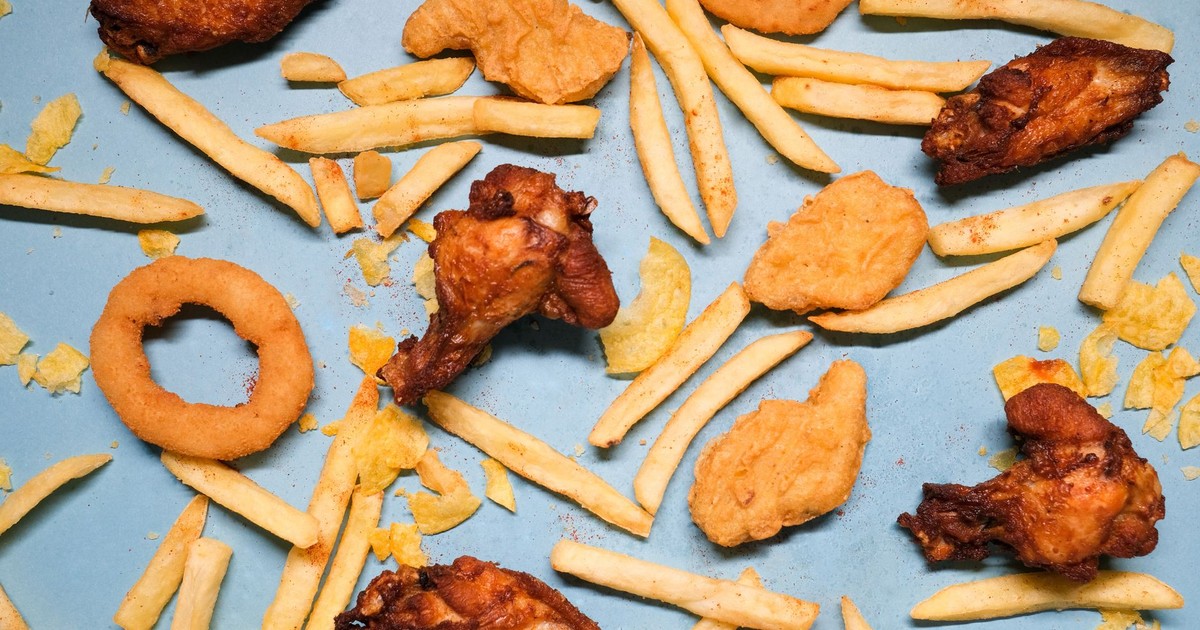

Somewhere between your first coffee and your last snack, your digestive tract processed roughly 1.5 kilograms of food today. Most of that transit happens invisibly – until it doesn’t. What’s less obvious is that certain everyday foods are doing structural damage to the gut lining itself, not just causing temporary discomfort. The kind of damage that doesn’t announce itself with immediate pain, but accumulates over time through inflammation, bacterial imbalance, and a compromised intestinal barrier.
One of the stranger findings in recent gut research is how fast that damage can begin. Scientists have demonstrated that even a short stretch of eating meals high in certain fats is enough to trigger measurable gut inflammation – not over months or years, but within days. Yet the physical symptoms people associate with serious digestive problems – persistent bloating, irregular bowel movements, cramping – can take years to emerge. By the time those signs appear, the underlying disruption has often been building quietly for a long time.
The foods most responsible for this are, in most cases, completely ordinary. They’re in office break rooms, on restaurant menus, and probably in your kitchen right now. Understanding what makes them harmful – specifically, mechanically, not vaguely – is what actually changes behavior. Here are seven foods bad for digestion that researchers are increasingly treating as genuine threats to gut health, and what the science says about each one.
1. Ultra-Processed Packaged Foods
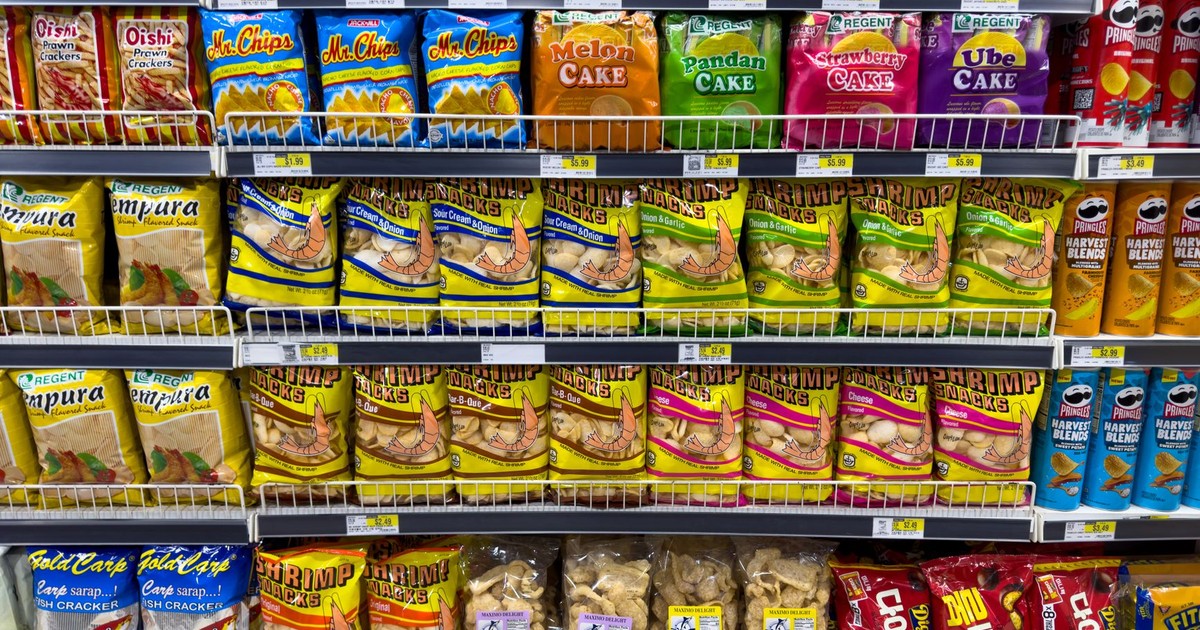
The numbers coming out of large-scale research on ultra-processed foods are striking enough that even clinicians have taken notice. Each additional 100 grams per day of ultra-processed food consumption – roughly the weight of a snack-size bag of chips or a single packaged cookie – is associated with a 19.5% higher risk of digestive diseases, according to data presented by researchers from Sun Yat-sen University at the American College of Cardiology Asia 2025 meeting.
The mechanism isn’t mysterious. Ultra-processed foods, characterized by high contents of synthetic additives and emulsifiers and low fiber, are associated with decreased microbial diversity, lower levels of beneficial bacteria like Akkermansia muciniphila and Faecalibacterium prausnitzii, and an increase in pro-inflammatory microorganisms, according to a 2025 review in Nutrients. Fiber is what beneficial gut bacteria eat. Without it, those populations shrink, and the communities that replace them tend to promote inflammation rather than suppress it.
These alterations in the microbial community contribute to persistent inflammation, which is associated with chronic disorders including metabolic syndrome, irritable bowel syndrome, type 2 diabetes, and colorectal cancer. The practical takeaway isn’t to avoid all packaged food, but to check ingredient lists for items with more than five or six additives – particularly emulsifiers, flavor enhancers, and preservatives. The longer that list, the more likely the product is doing real harm below the surface.
2. Foods High in Saturated Fat
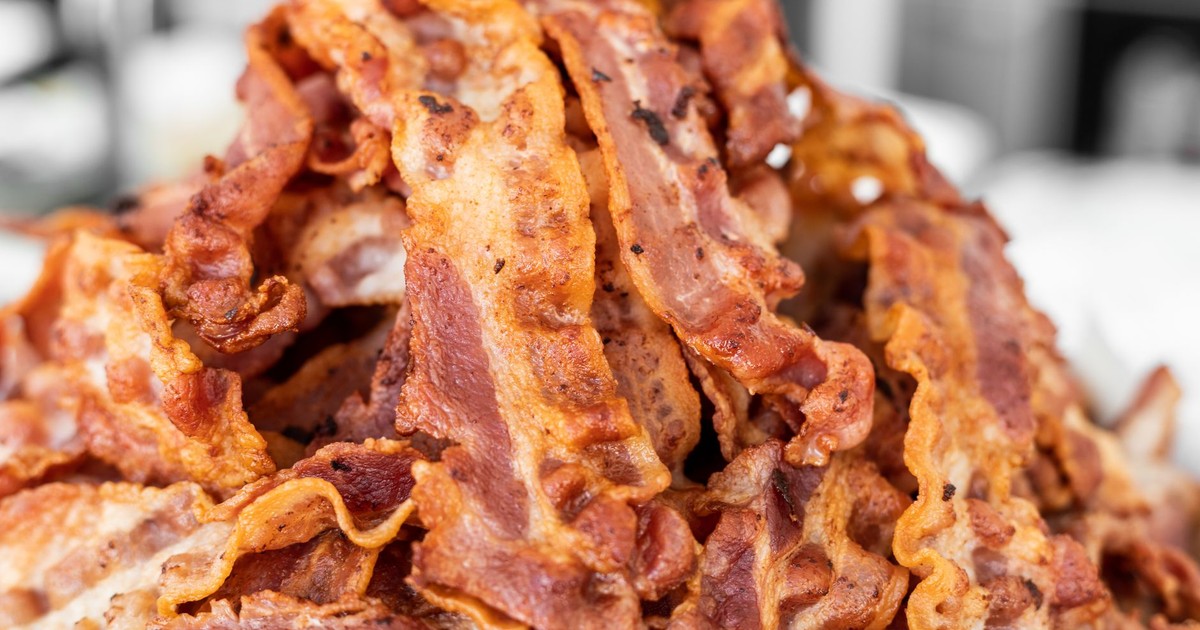
High-fat meals feel indulgent in the moment, but their effect on the gut lining begins faster than most people realize. Research reported by Technology Networks found that even short-term exposure to high-fat diets can reduce production of IL-22, a protein that plays a central role in controlling gut inflammation and maintaining the integrity of the intestinal lining.
The intestinal immune balance is disrupted by a high-fat diet in several interconnected ways, according to a review published in the National Library of Medicine: it impairs the intestinal barrier, influences immune cells stationed in the gut, and alters the composition of the gut microbiota – all at once. That’s not one problem, it’s three simultaneous ones.
The foods most associated with this pattern are red meat with visible fat, full-fat processed meats like sausages and bacon, and fried foods cooked in saturated oils. Replacing some of these with unsaturated fat sources – olive oil, fatty fish, avocado – is a direct way to reduce the burden on your gut’s immune system. Eating red meat in moderate portions two to three times per week rather than daily is a reasonable target for most adults concerned about digestive health.
3. Added Sugars

Sugar is the gut microbiome’s most opportunistic disruptor. When excess sugar reaches the lower digestive tract, it acts as a selective fertilizer – feeding bacteria that thrive on simple carbohydrates while starving out the species that produce the short-chain fatty acids that keep the gut wall healthy. Added sugars, including glucose, fructose, and sucrose, can alter gut microbial diversity, enrich sugar-utilizing bacterial populations, and deplete short-chain fatty acid-producing bacteria, according to a 2025 study in Gut Microbes.
The downstream effects go further than microbial imbalance alone. Sugar-induced microbial changes may impair gut barrier integrity, increase luminal oxygen, reduce short-chain fatty acid production, and promote translocation of endotoxin across the gut wall – meaning bacterial toxins that belong inside the gut can begin leaking into the bloodstream. That same research in Gut Microbes confirmed this pathway.
Added sugars are hidden in places people don’t expect: flavored yogurt, fruit juice, salad dressings, sauces, and “health” bars. The American Heart Association recommends no more than 25 grams of added sugar per day for women and 36 grams for men. Checking the nutrition label for “added sugars” as a separate line from “total sugars” is the only way to know exactly how much a product contains.
4. Refined Carbohydrates – One of the Most Overlooked Foods Bad for Digestion
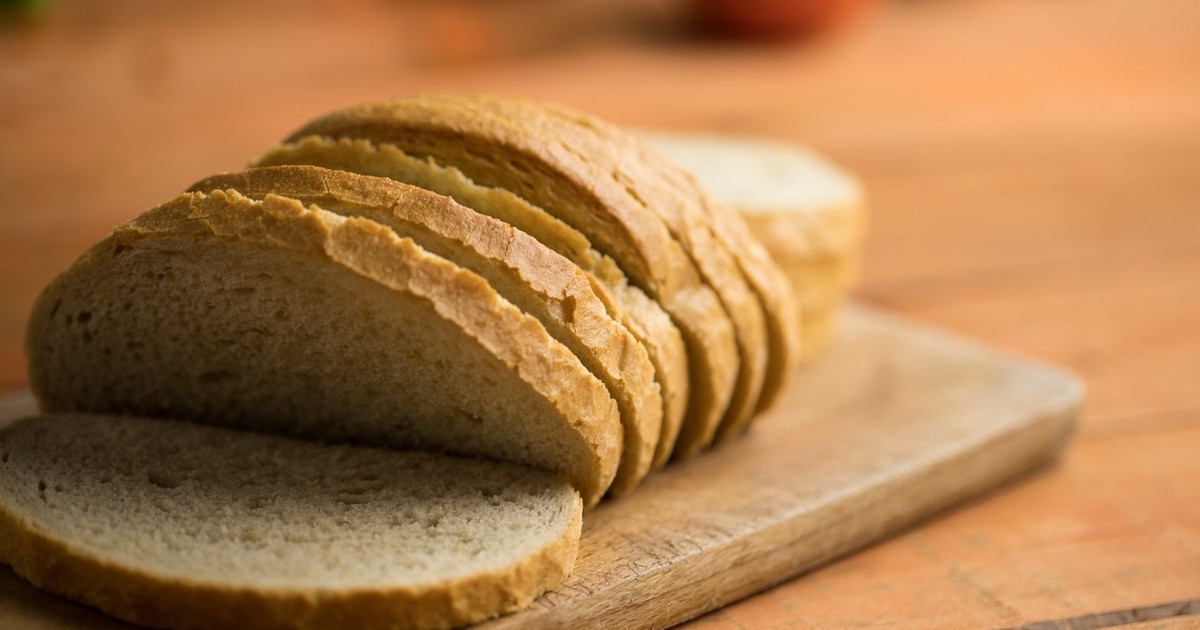
White bread, white rice, standard pasta, and most commercial breakfast cereals are refined carbohydrates – meaning the fiber-rich outer bran and nutrient-dense germ have been removed during milling, leaving behind primarily starch. From the gut’s perspective, that process strips out the very component that the microbiome depends on most. Long-term consumption of refined grains may replace dietary fiber, leading to a reduction in intestinal volume and obstruction of stool passage, causing symptoms such as bloating, constipation, and abdominal pain, according to a 2025 study in PLOS One drawing on NHANES data from over 5,000 adults.
The inflammation pathway is also direct. Refined carbohydrate consumption affects the gut microbiota, a pathway through which inflammation is induced via bacterial pro-inflammatory factors, according to research covered by News-Medical.net in 2024. This isn’t a subtle statistical association – it’s a mechanistic chain that researchers have now traced from diet, through microbial shifts, to measurable inflammation markers in the blood.
The fix is specific: swap refined grains for whole-grain versions with at least 3 grams of fiber per serving. Sourdough bread, oats, quinoa, and brown rice all preserve the bran layer that feeds gut bacteria. Soluble fiber in particular is considered effective in treating global symptoms of irritable bowel syndrome, according to clinical practice guidelines published in Gastroenterology. Psyllium husk, oats, and legumes are among the best sources.
5. Alcohol

Alcohol is unusual among foods bad for digestion because even modest amounts produce measurable damage to the gut lining – not just the liver. Both low- and high-dose alcohol induce leaky gut, while only high-dose consumption causes gut dysbiosis and mitochondrial damage in the cells lining the intestine, according to a 2025 study in Scientific Reports. “Leaky gut” refers to increased intestinal permeability – a state where the tight junctions between gut wall cells loosen, allowing bacteria and toxins to pass through into the bloodstream.
Alcohol induces disruption of the intestinal barrier, accompanied by a thicker mucus layer and reduced anti-microbial peptides, according to a 2025 review indexed by the National Institutes of Health. Reduced anti-microbial peptides mean the gut’s natural defense system is weakened, making it easier for harmful bacteria to establish themselves in areas where they don’t belong.
For people who drink socially, limiting intake to one drink per day for women and two for men – the thresholds used in most epidemiological research – is the most evidence-supported target. Alcohol-free days throughout the week appear to give the gut lining meaningful recovery time between exposures. For people with existing digestive conditions like IBS or inflammatory bowel disease, the evidence suggests even low-dose alcohol can trigger symptom flares.
6. Foods Containing Emulsifiers
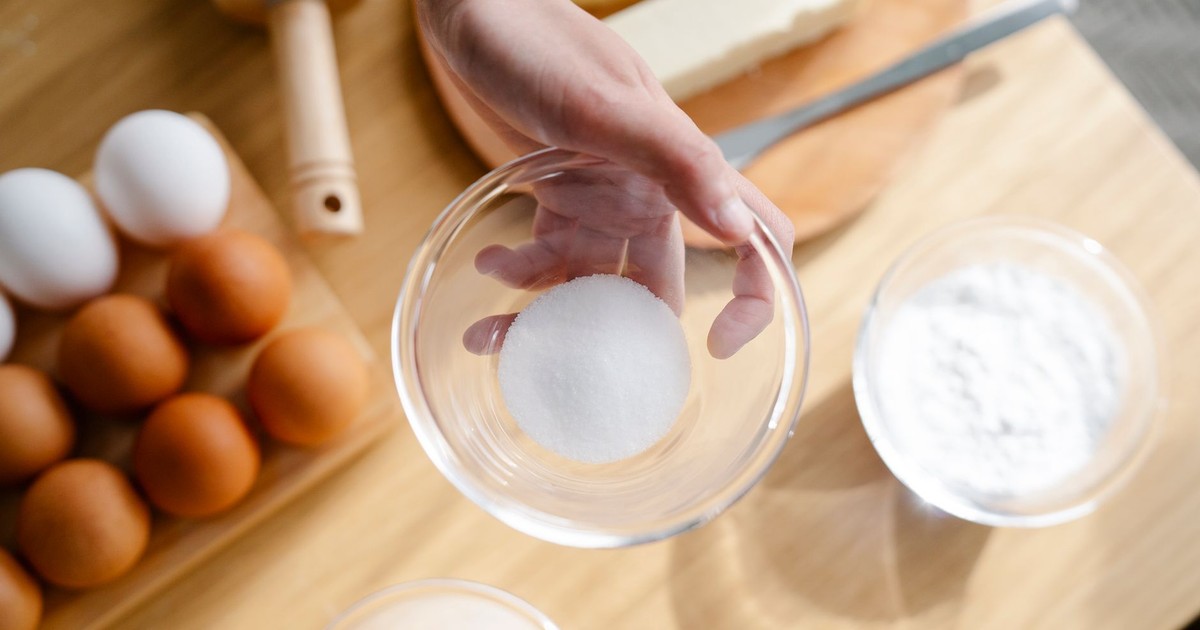
Emulsifiers are what give processed foods their smooth, creamy textures and extended shelf life. They’re in ice cream, salad dressings, chocolate, margarine, and hundreds of other products, listed on labels as polysorbate 80, carboxymethylcellulose, carrageenan, or soy lecithin. Their job in food manufacturing is to stop oil and water from separating. Their job in the gut is considerably more disruptive.
Carboxymethylcellulose and polysorbate 80 induce intestinal inflammation and metabolic syndrome by thinning the intestinal mucus layer and altering gut microbiota composition, according to a 2024 study in Communications Biology. The mucus layer is not passive – it’s the gut’s first line of defense, physically separating the bacteria inside the intestine from the immune cells in the gut wall. When emulsifiers thin it, that distance collapses, and immune cells start reacting to bacteria that would normally pass unnoticed.
A 2025 scientific review identified food emulsifiers as the most harmful food additive category for potentially increasing the risk of food allergies and inflammatory diseases, according to coverage by News-Medical.net. The best way to reduce emulsifier exposure is to cook from scratch more often and to read ingredient labels on any packaged or processed food before buying. Choosing products with shorter ingredient lists – particularly those without chemical emulsifier names – is a practical and immediately actionable step.
Read More: Scientists Confirm Ultra-Processed Foods Are Damaging Every Major Organ in Your Body
What Does This Mean? Context Matters.
No single meal is the problem. The research consistently points to patterns – habitual daily consumption of the foods described above, in combinations, over years. The gut has real regenerative capacity. Removing or meaningfully reducing the most harmful inputs gives the microbiome room to rebalance and the intestinal lining time to repair.
The most practical starting point is a swap-based approach rather than restriction: more fiber-dense whole foods in place of refined carbohydrates, fermented foods like kefir, kimchi, or sauerkraut to repopulate beneficial bacteria, and label-reading as a daily habit for any packaged item. For people with existing digestive symptoms – persistent bloating, irregular transit, or unexplained discomfort – a conversation with a gastroenterologist about food-symptom tracking is a logical next step before drawing firm conclusions about individual triggers. The gut responds faster to positive dietary changes than most people expect, often within two to four weeks of consistent adjustment.
Disclaimer: This information is not intended to be a substitute for professional medical advice, diagnosis, or treatment and is for information only. Always seek the advice of your physician or another qualified health provider with any questions about your medical condition and/or current medication. Do not disregard professional medical advice or delay seeking advice or treatment because of something you have read here.
AI Disclaimer: This article was created with the assistance of AI tools and reviewed by a human editor.