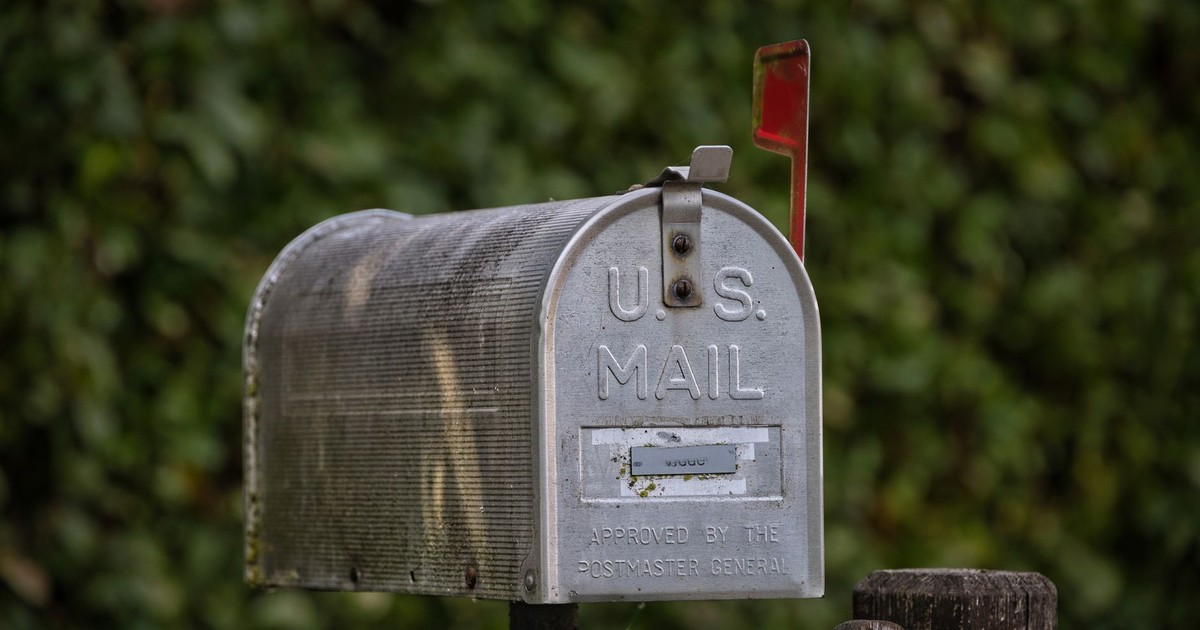

A scented dryer sheet tucked in the back corner of a mailbox sounds like something a child left behind by accident. Millions of Americans have opened their mailbox to find one sitting there, and many threw it straight in the trash – which is exactly what their mail carrier was hoping they wouldn’t do.
The sheet was placed there deliberately. Letter carriers across the country have quietly adopted the habit of tucking scented dryer sheets inside residential mailboxes during the warmer months. The reason has nothing to do with laundry and everything to do with one of summer’s most painful workplace hazards: wasps building nests inside the box before the carrier can get a hand in to deliver the mail.
Wasps seek out dark, dry, enclosed spaces protected from the elements. A standard mailbox checks every one of those boxes. Metal boxes absorb solar heat to create a warm interior, and while the lid opens briefly each day, the inside remains largely undisturbed for long enough that a wasp colony can establish itself quickly. Understanding why the dryer sheet is there – and what to do next – can save you from a sting, a mail stoppage, and a much bigger pest problem down the road.
1. Don’t Remove the Dryer Sheet
The instinct to pull an unfamiliar object out of your mailbox is understandable, but removing that sheet can undo a deliberate safety measure your carrier put in place. Mail carriers have developed the practice of placing dryer sheets inside mailboxes hoping the wasps won’t like the smell and will stay away. For the carrier opening dozens – sometimes hundreds – of boxes per day, a wasp nest inside a mailbox isn’t just an inconvenience. It’s a genuine physical threat.
USPS set up a summer safety station at the Longmont, Colorado post office, highlighting hazards carriers face including insect stings; dryer sheets and insect bite relief sticks are made available to employees, and carriers who are allergic may carry EpiPens. That context matters. When a carrier places a dryer sheet in your mailbox, they’re managing a recurring seasonal safety risk, not littering.
The Postal Service does not officially instruct its employees to place dryer sheets in mailboxes. However, official USPS safety guidance is clear that stinging insects near mailboxes pose a real threat to carriers, and the agency explicitly asks customers to watch for and remove bee and wasp nests at or near mail receptacles. The dryer sheet trick is field-level problem-solving that has spread through the postal workforce on its own merits. Leave it in place, or replace it with a fresh one when the scent fades.
2. Understand Why Wasps Choose Mailboxes
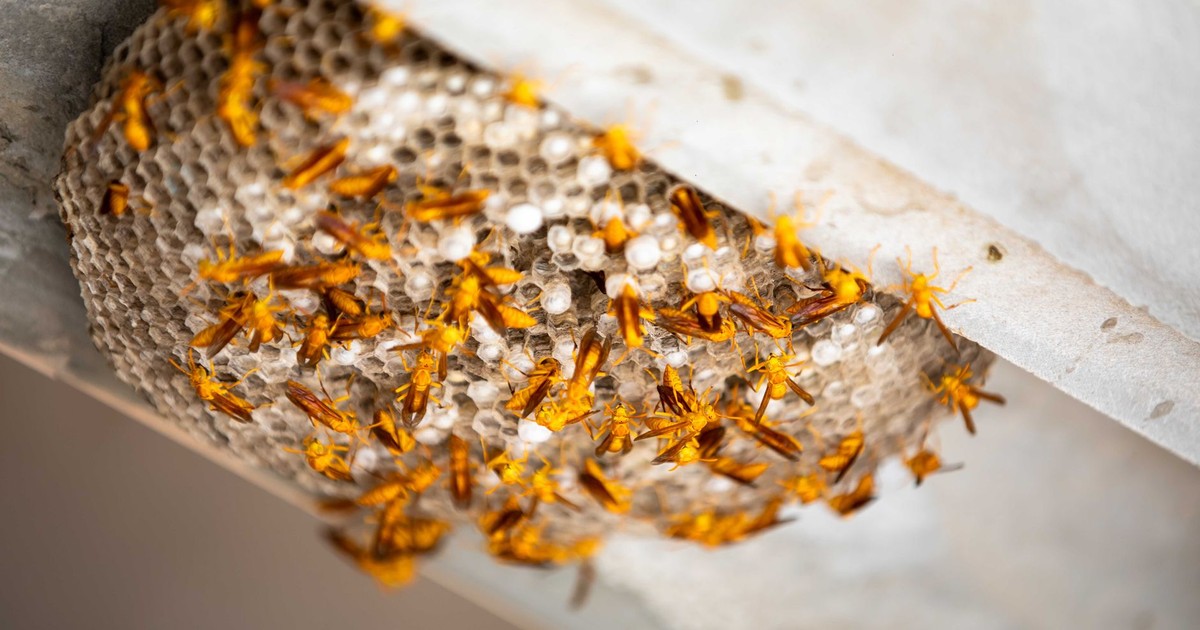
Native paper wasp species are generally more reserved, while the European paper wasp is more likely to build nests close to human structures and in unconventional spots like mailboxes and outdoor light fixtures. This species has expanded its range across North America and is the one most commonly found setting up home in residential mailboxes each summer.
Paper wasp nests are typically constructed in sheltered situations. In wooded areas, nests may attach to tree branches or sit inside tree holes. In warmer regions, high humidity and long nesting seasons make mailboxes an easy nesting spot, since these small spaces stay dry, retain heat, and provide wasps with a quiet place to build. A mailbox is essentially a pre-built shelter that requires zero construction effort on the wasp’s part – just a small amount of chewed wood fiber and saliva to anchor a nest to the interior ceiling.
Paper wasps are typically not aggressive and will avoid conflict unless they feel threatened. When someone reaches into a mailbox, the movement can trigger defensive behavior and lead to painful stings, putting homeowners, children, pets, and mail carriers at risk. That last point is what makes mailbox wasps particularly dangerous compared to encountering one in the open – a hand reaching blindly into an enclosed metal box can disturb a nest before the person even registers what’s happening.
3. Know the Science Behind the Dryer Sheet Trick

The dryer sheet method works – at least partially – because of chemistry. Many dryer sheets contain linalool, a chemical compound naturally found in lavender, basil, and mint. Linalool is a well-known insect repellent. It’s the same reason lavender planted near a porch tends to see fewer insect visitors than unscented alternatives.
A 2010 study from Kansas State University tested Bounce Original Scent dryer sheets specifically on fungus gnats under laboratory conditions. Researchers found that gnats in compartments containing the sheets made up just 12 – 18% of the total population, compared to 33 – 48% in compartments without them – a meaningful difference. The researchers were careful to note that the fungus gnat study doesn’t prove sheets work on wasps specifically, since little formal research exists on that front.
That gap in the evidence is worth being clear about. WUSA9 reported that the Entomological Society of America could not confirm or deny whether dryer sheets repel wasps specifically, because the question has not been formally studied in that context. The field evidence from postal workers is consistent, but it isn’t a clinical trial. Use the sheet as a deterrent with realistic expectations.
Once a nest is gone, placing a fresh dryer sheet inside can help prevent future infestations. The scents that repel insects extend well beyond dryer sheets. Linalool, which dryer sheets contain, has documented repellent effects against flies and cockroaches in essential oil research, and geraniol – another compound in fragrant plants – has shown even stronger mosquito-repellent activity in peer-reviewed testing.
4. Check Whether There’s Already a Nest Inside
Finding a dryer sheet in your mailbox tells you your carrier has likely seen wasp activity there. Before you do anything else, check carefully for an existing nest. Paper wasps often attach nests to the mailbox lid, the inside ceiling of the box, or nearby surfaces. The nest looks like a small gray upside-down umbrella made of a papery, textured material – roughly the size of a golf ball early in the season and capable of growing larger if left unaddressed.
Queens start new nests in spring before colonies expand through summer. Checking for nests in early spring is especially useful, when they are walnut or golf ball in size – early small nests have fewer wasps and are easier to treat quickly. If you see even a few wasps hovering around the mailbox opening or returning repeatedly to the same spot, assume there’s nest construction underway.
If there is already a nest inside the mailbox, it needs to be removed. Identifying a wasp nest on your property means hiring a licensed pest control company is strongly recommended, since proper training and protective gear are needed to remove a stinging insect nest successfully and safely. A dryer sheet placed over or near an active nest does nothing – the colony is already established and the workers will defend it regardless of the scent nearby. The sheet is a preventative measure, not a treatment for an existing problem.
5. Act Quickly – Your Mail Delivery Is at Stake

Wasp nests in mailboxes aren’t just a personal inconvenience. Bees, wasps, and other flying insects can inflict pain and suffering on postal employees, and for those allergic to bee venom, a sting can prove fatal – which is why USPS has called on homeowners to watch for and remove nests at or near mail receptacles. Carriers open hundreds of boxes per day, and a single sting inside a metal enclosure can trigger a severe allergic reaction or cause a dangerous fall.
In many cases, USPS will stop mail delivery until a homeowner resolves the stinging insect problem. That means no packages, no bills, no correspondence – and depending on how quickly you notice the stoppage, potentially no notification either. The carrier’s first action is usually to leave a note on the door, but if the nest grows large enough to be dangerous, delivery may pause with little warning. This practice is consistent with USPS’s broader policy of suspending delivery when carriers face physical safety hazards they cannot safely work around.
Removing a nest promptly and replacing it with a fresh dryer sheet is the fastest path back to normal service. As for which dryer sheet brand to use, postal workers suggest it doesn’t matter much – what matters is that it’s scented. The scent appears to be the active deterrent, so any scented dryer sheet should work.
Read More: Bee vs. Wasp: A Comprehensive Guide to Yellow Stripey Things
What to Do Now
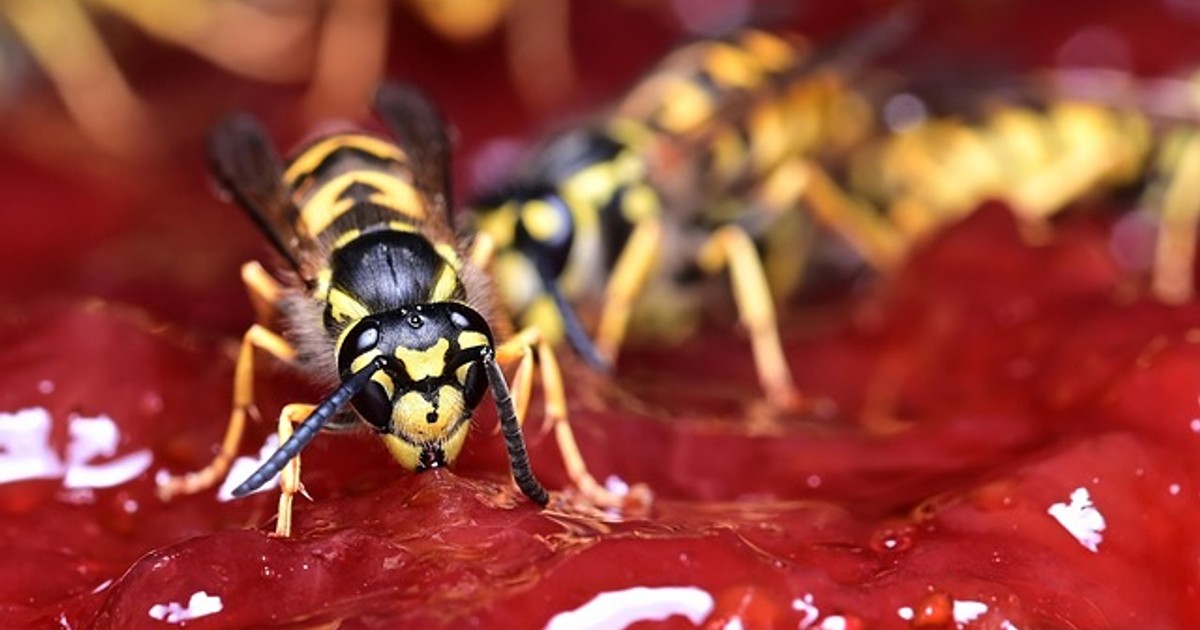
If you find a dryer sheet in your mailbox, leave it there and treat it as useful information: your carrier has flagged a wasp problem at your address. Open the mailbox carefully, check the interior ceiling and lid edges for any gray papery nest material, and look for repeated wasp flight in and out of the opening. If you see a nest, don’t spray it yourself and don’t stuff a dryer sheet on top of it – call a pest control professional for removal.
Once the box is clear, place a fresh scented dryer sheet inside, secured toward the back so it doesn’t fall onto incoming mail. Replace it every few weeks through the summer, especially after rain or humidity reduces the scent. In cooler climates, paper wasps die off in winter with only fertilized queens surviving in sheltered places until spring. When warmer weather returns, the queens emerge to begin new colonies. That means the risk resets every year, and the mailbox that attracted wasps once will almost certainly attract them again the following spring. A sheet placed early in the season – before the first scout wasp finds the space appealing – is far more effective than one placed after a colony has already moved in.
AI Disclaimer: This article was created with the assistance of AI tools and reviewed by a human editor.