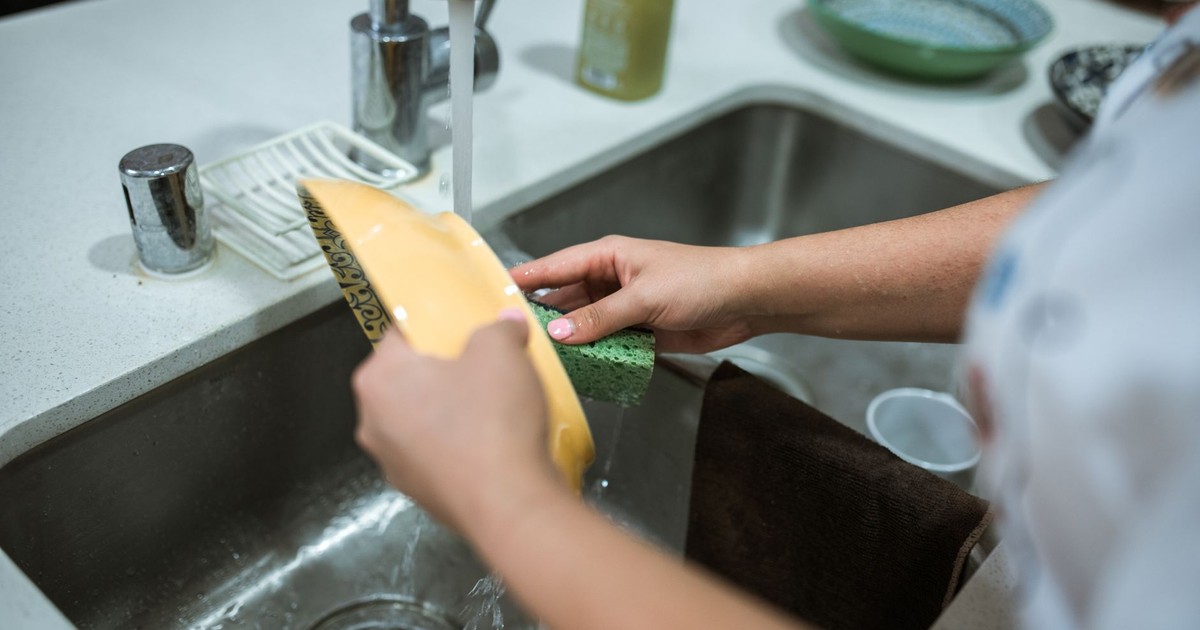

Your kitchen sponge carries approximately 45 billion microbes per square centimeter. That number is so large it’s almost meaningless until you consider where you use it: across your dishes, your countertops, and your sink. Yet the item most people in your home scrub obsessively – the toilet – sits at the far cleaner end of the spectrum.
The toilet seat has become the universal symbol of household filth. It’s the reason people hover in public restrooms, the reason guests hesitate before sitting down. Microbiologists have spent decades pointing out that this instinct is misdirected. The toilet seat’s smooth, nonporous surface dries quickly and gets cleaned regularly. It’s the items no one thinks to wipe down – the sponge by the sink, the cutting board beside the stove, the phone in your pocket – that harbor far more bacteria, viruses, and fungi than the bowl itself.
Most of those surfaces are in the kitchen, not the bathroom. NSF International, which has conducted some of the most thorough household germ surveys on record, found that the kitchen consistently contains the highest contamination levels in the home. The items on this list aren’t obscure – they’re things you touched before you finished reading this sentence.
1. Your Kitchen Sponge – the Dirtiest Things in Home Studies Keep Finding
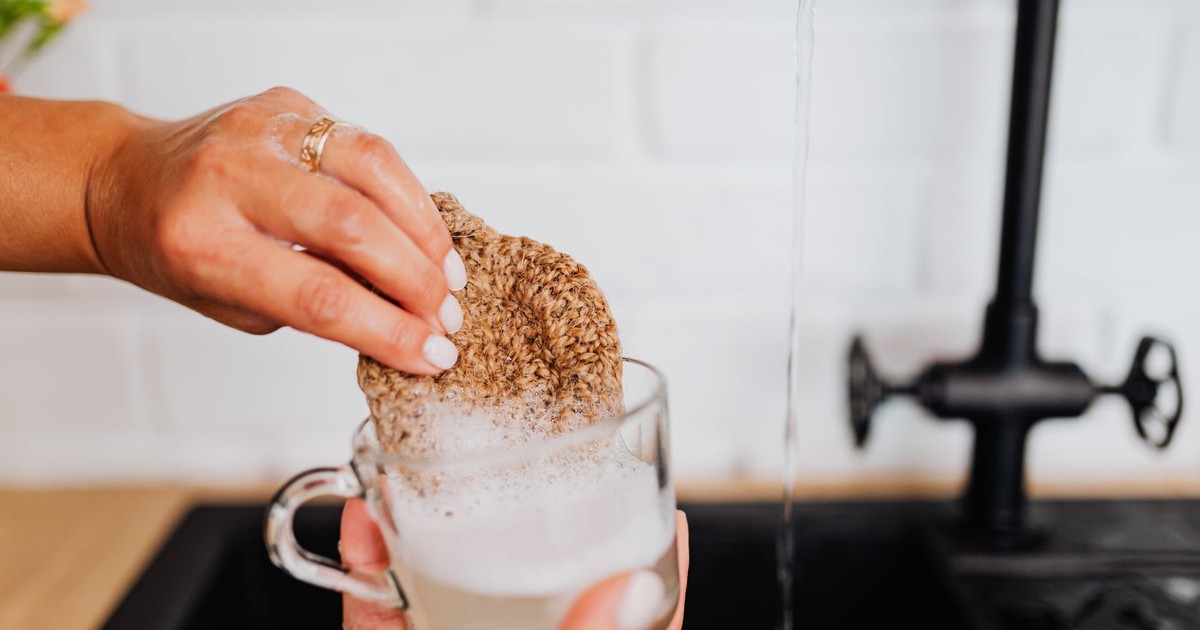
A household germ survey from NSF International tested 30 common items across 22 family homes, checking each for bacteria, yeast, and mold. The dish sponge came out on top. More than 75% of sponges and rags tested positive for coliform bacteria – a category that includes E. coli and signals possible fecal contamination.
Research published in Scientific Reports found kitchen sponges harbor 45 billion microbes per square centimeter, making them the single densest bacterial environment in most homes. The same analysis of 14 used kitchen sponges identified 362 different bacterial species, including strains with the potential to cause illness in healthy adults.
Cleaning sponges doesn’t reliably fix the problem. The Scientific Reports study found that regularly sanitized kitchen sponges did not contain significantly less bacteria than uncleaned ones. Researchers described sponges as “the biggest reservoirs of active bacteria in the whole house,” and concluded the most effective action is to replace your sponge once a week. Microwaving and boiling, despite being widely recommended, appear to reduce bacteria only temporarily – and may accelerate regrowth of certain strains by eliminating competing microbes.
2. The Kitchen Sink
The sink feels clean because water runs through it constantly. That logic is exactly backwards. Kitchen sinks have been found to house over 11 million normalized microorganisms per 10 square centimeters. There’s more fecal bacteria in your kitchen sink than in a toilet after you flush it.
The same NSF International survey found that common sources of sink contamination include raw meat, poultry, unwashed produce, pets, and hands that weren’t washed properly. By comparison, coliform bacteria appeared on only 9% of bathroom faucet handles – the item most people would instinctively consider dirtier than the kitchen sink.
The fix is specific: scrub the sink basin, sides, and drain area with a disinfecting cleaner at least twice a week. Running water over the surface does not count as cleaning. Rinsing chicken under the tap, for instance, spreads bacteria across the entire sink bowl and surrounding counter without eliminating anything.
3. Cutting Boards
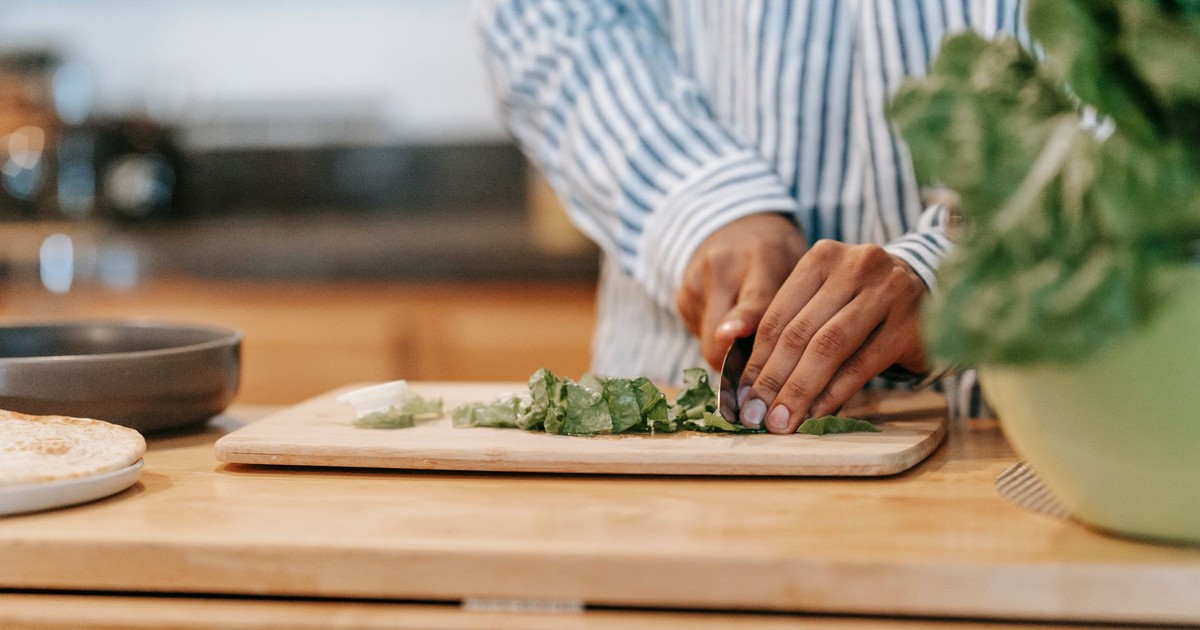
Raw meat preparation turns a cutting board into one of the most germ-laden surfaces a kitchen produces. Research has found approximately 200 times more fecal bacteria on a kitchen cutting board than on a toilet seat, a gap driven almost entirely by contact with raw poultry and meat.
The bacteria don’t just sit on the surface – they move into it. A 2026 study published in the Journal of Food Safety found that Salmonella persisted on polyethylene and glass cutting boards for up to four hours after contamination, and for up to two hours on wooden boards. That’s a significant window during which cross-contamination can occur if the board isn’t washed between uses.
The most practical step is dedicating separate boards to raw meat and produce – color-coded boards make this habit automatic. Washing a board with cold water after raw meat contact isn’t enough; hot soapy water or a dishwasher cycle is the minimum standard, and boards with deep knife grooves should be replaced entirely, since those channels harbor bacteria that scrubbing can’t reach.
4. Your Smartphone
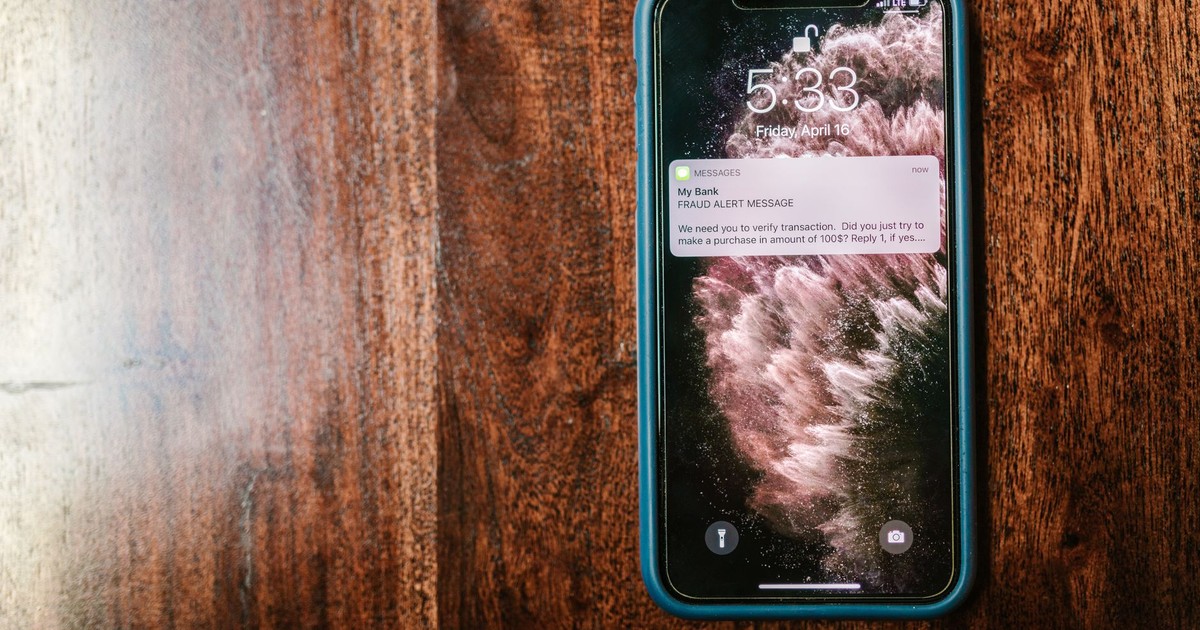
Dr. Charles Gerba, a microbiologist at the University of Arizona, found that cell phones carry 10 times more bacteria than most toilet seats. A separate 2025 study examined 20 mobile phones from 10 geographical regions worldwide and recorded 2,204 microbial traces, including 882 bacteria, 1,229 viruses, 88 fungi, and five protozoa.
Phones accumulate far more contamination than other personal items because of how they’re used. Toilet seats are smooth, easy-to-clean surfaces that are frequently disinfected. Phones, by contrast, travel everywhere – into bathrooms, onto airplane tray tables, gym equipment, and restaurant tables – often without a second thought. The warmth from their processors and the moisture from hands and breath create conditions that favor bacteria, including Staphylococcus, E. coli, and MRSA.
Dr. Meena Jha of Central Queensland University (CQUniversity) in Sydney has noted that while many people wash their hands several times a day, they rarely think to clean their phones – creating what researchers call the “clean hands, dirty phone” paradox: every time you pick up your device after washing your hands, you recontaminate them. Wiping your phone down with a 70% isopropyl alcohol wipe daily, and especially after using it in the kitchen or bathroom, removes the bulk of surface contamination without damaging the screen.
5. Computer Keyboards and Office Desks
A study by NSF International found that office desks are the single dirtiest item in many workplaces, harboring more bacteria than even the toilet seat. Research from the University of Arizona put that gap at roughly 400 times more bacteria on the average desk than on the average toilet seat.
The keyboard specifically is a concentrated problem. An NSF International analysis found keyboards contain 70% more bacteria than a toilet seat. A 2025 study published in PLOS ONE found bacterial contamination on 64.4% of computer keyboards and mice tested before any cleaning intervention, with multiple pathogenic strains identified across samples.
Eating at your desk accelerates the problem considerably. Food particles lodge between keys and decompose, providing nutrients that sustain bacterial colonies. Turning the keyboard upside down and shaking it out, then wiping down keys with an alcohol wipe once a week, makes a measurable difference. Disinfecting the desk surface itself – especially around the mouse and wrist rest – should be part of the same routine.
6. The Coffee Maker Reservoir
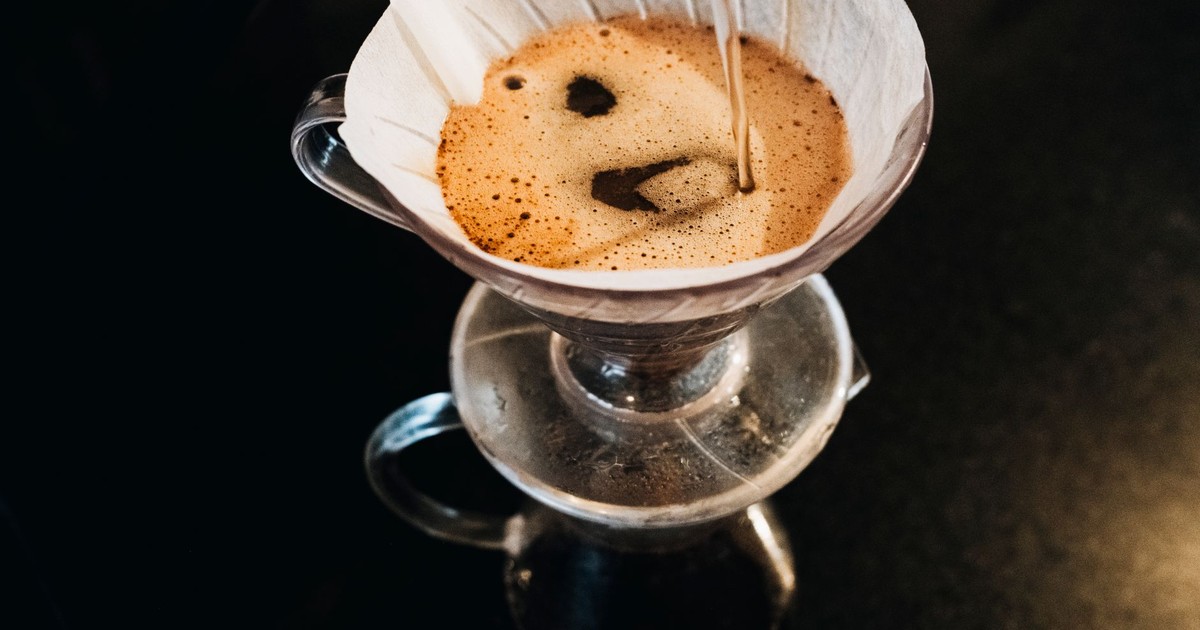
The coffee maker reservoir made the top 10 germiest household items list and outranked toilet seats in coliform bacteria counts. Coffee reservoirs have been found to harbor over 548,000 normalized microorganisms per 10 square centimeters. In testing by NSF International, mold and yeast were found in 50% of coffee maker water reservoirs sampled – organisms that thrive in the warm, dark, moist environment that coffee makers provide between uses.
Most people descale their coffee maker occasionally, but descaling targets mineral buildup rather than microbial growth. The reservoir needs a separate cleaning protocol: filling it with equal parts white vinegar and water, running a brew cycle, then following up with two or three plain water cycles to flush the vinegar out. Doing this monthly keeps microbial load in check. Leaving water sitting in the reservoir between uses speeds up the colonization process significantly.
If you notice a musty smell from your coffee or any visible discoloration on the interior walls of the reservoir, the mold load has already become substantial. At that stage, several full vinegar cycles are warranted before returning to normal use.
7. Faucet Handles – Among the Dirtiest Things in Home Environments
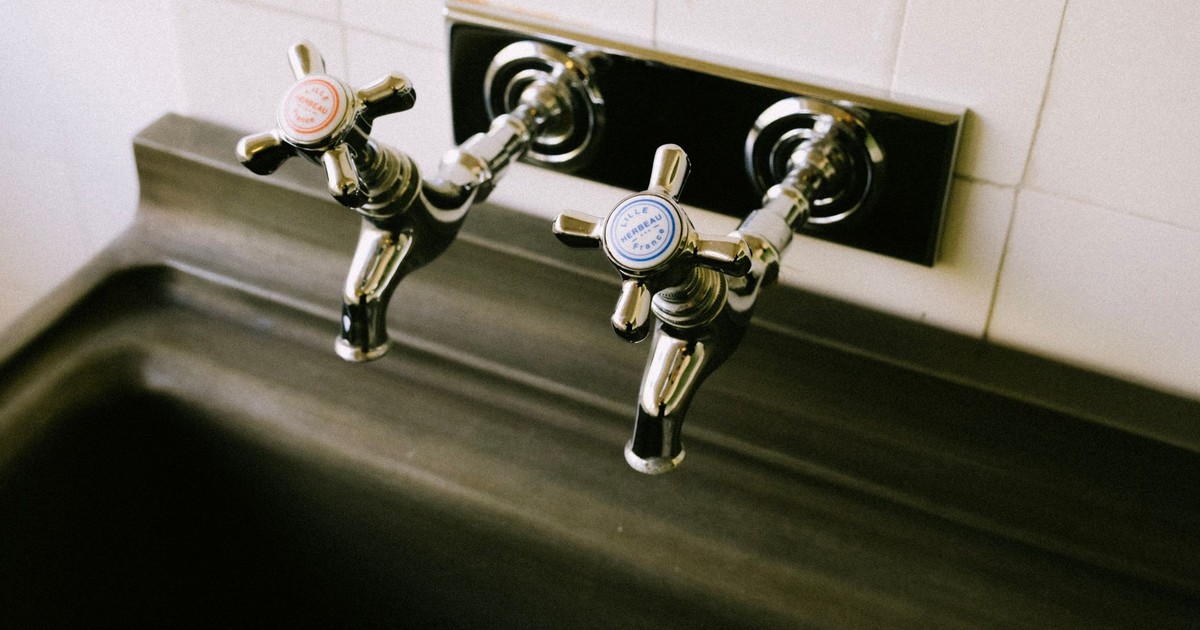
Both kitchen and bathroom faucet handles rank among the most contaminated surfaces in a home. Most people assume the opposite, reasoning that faucet handles get cleaned whenever hands are washed. Faucet handles receive contact before hand-washing, not after – meaning every unwashed hand that touches them deposits bacteria onto a surface that then goes untreated until the next deliberate cleaning.
Research tracking bacterial loads across household surfaces found that bathroom faucet handles carry 21 times the bacteria of a toilet seat, while kitchen faucet handles carry 44 times more. Kitchen faucets score higher because they receive contact after handling raw meat, produce, and other contaminated items in addition to general hand traffic.
The fix is straightforward: include faucet handles in your disinfecting routine rather than assuming they get cleaned incidentally when you wash your hands. A disinfecting wipe across the handle takes three seconds and breaks the cycle of recontamination that makes hand-washing less effective than it should be.
8. Pet Food and Water Bowls
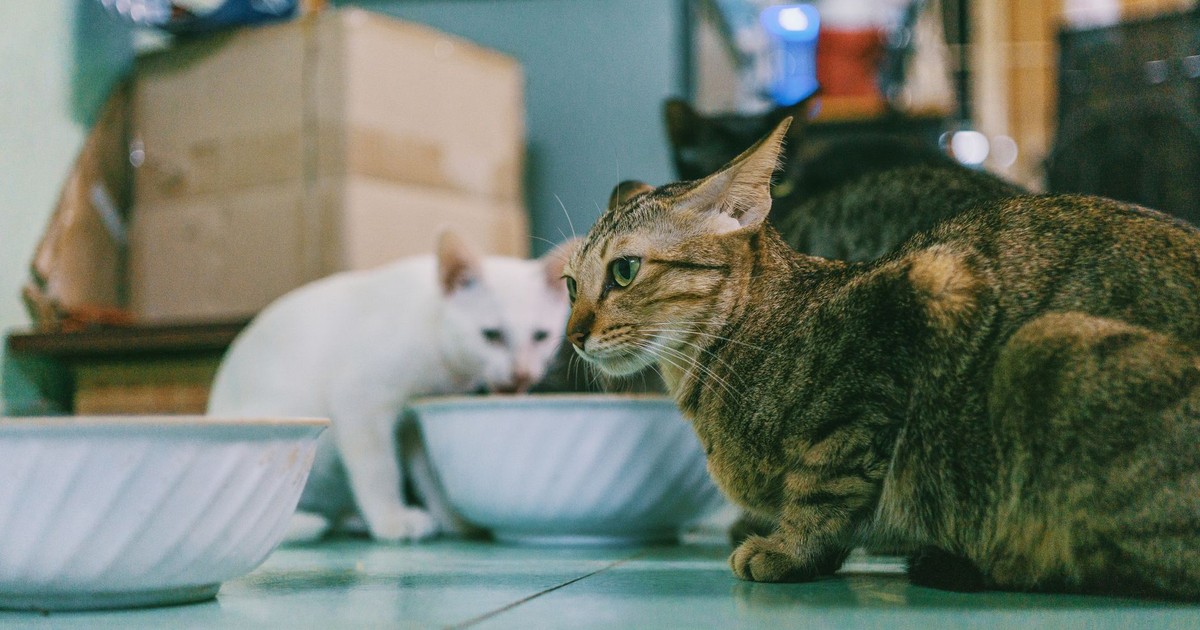
Research from NSF International ranked pet food bowls as the fourth germiest item in the household, behind kitchen sponges, sinks, and toothbrush holders. The bacterial count in those bowls is substantial: testing has found approximately 2,110 bacteria per square inch in pet food bowls, compared to roughly 295 on toilet seats.
The contamination comes from wet food residue sitting at room temperature for hours, combined with pet saliva that introduces its own microbial load. Water bowls aren’t clean simply because they contain water – biofilm (a thin, sticky layer of bacteria) builds up on the interior surface within days if the bowl isn’t scrubbed.
Washing pet bowls with hot soapy water daily, and running them through the dishwasher when possible, keeps counts manageable. Stainless steel bowls are easier to sanitize effectively than plastic, which develops microscopic scratches over time that trap bacteria regardless of washing technique.
9. Reusable Shopping Bags
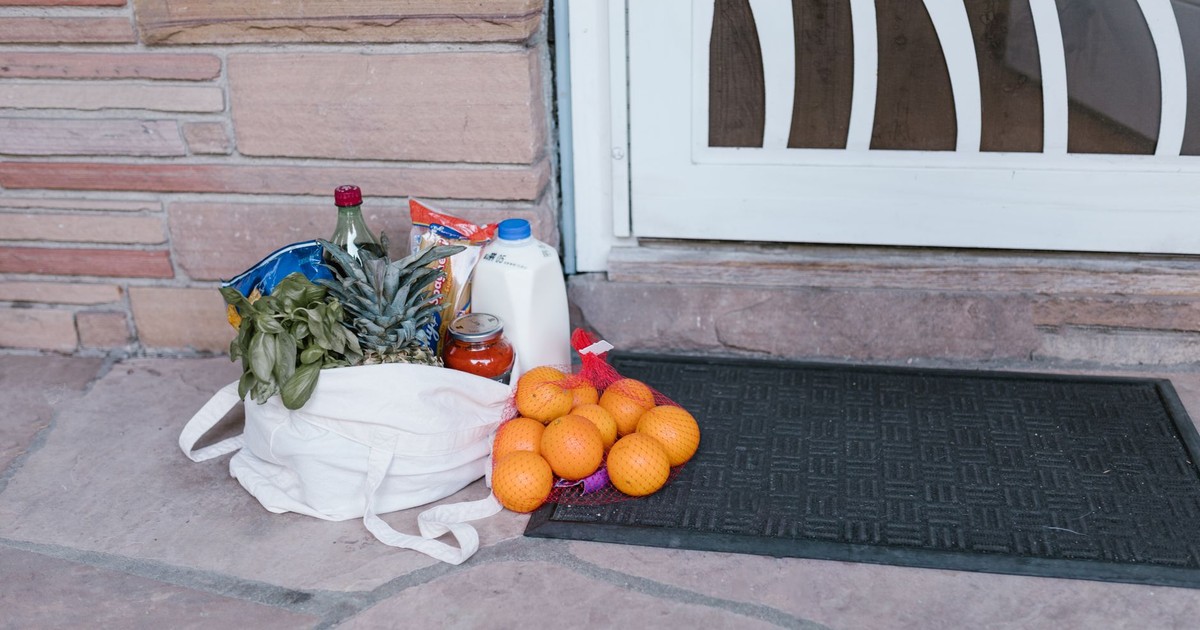
Reusable bags have become a fixture in most households, but very few people clean them with anything close to the frequency they should. Research from Loma Linda University found E. coli in 12% of bags tested, along with coliform bacteria in half of all bags sampled. The contamination comes primarily from meat juices, produce residue, and condensation from cold items seeping into bag fabric between uses.
Only 15% of Americans regularly wash their reusable grocery bags – a finding from Colorado State University Extension’s food safety program. Storing bags in a warm car trunk between shopping trips accelerates bacterial growth significantly, since heat speeds up microbial reproduction. Raw meat and produce should ideally go into separate designated bags to limit cross-contamination, and all bags should be washed after every use, not just when they look dirty.
Cloth bags can be machine-washed in hot water. Insulated bags should be wiped down with a food-safe disinfectant spray and allowed to dry completely before storing. The habit of simply tossing a used bag back into the car creates a slow accumulation that’s much harder to reverse.
If you’re already rethinking what you clean regularly at home, it’s worth knowing that some common foods carry bacteria risks that cleaning habits alone won’t address – the source matters just as much as the surface.
10. The TV Remote Control
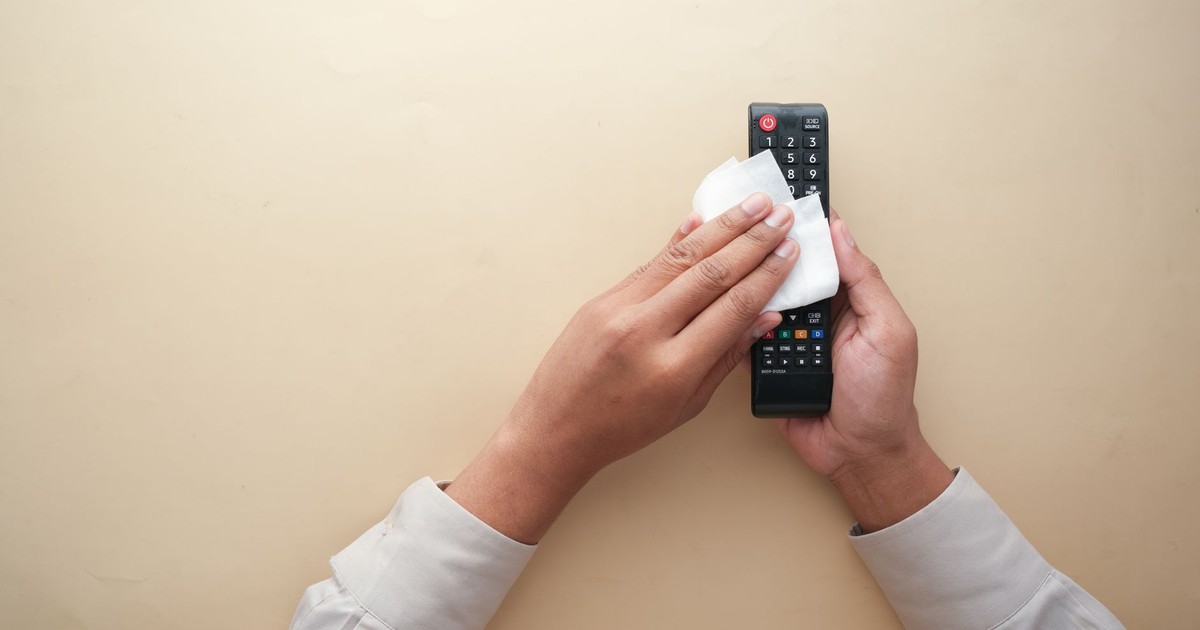
The remote control is one of the most touched surfaces in any home and one of the least cleaned. It passes between hands constantly, travels under couch cushions, gets sneezed on during cold season, and almost never gets wiped down. Testing has found remote controls can accumulate up to 200,000 bacteria per square inch from multiple household members sharing the device.
Hotel rooms provided some of the earliest documented evidence of how contaminated remotes become. Studies swabbing hotel room surfaces consistently found the remote among the dirtiest items in the room, despite housekeeping routines that addressed toilets, sinks, and counters. The same pattern applies at home: the bathroom gets cleaned; the remote doesn’t.
Disinfecting wipes are the simplest solution. Running one across both sides of the remote weekly takes under a minute, and the difference in bacterial load is significant. During cold and flu season, or if someone in the household is sick, daily wiping is a reasonable precaution given how directly the remote serves as a transmission route between household members.
Read More: Food Most Likely To Cause Food Poisoning
What to Do Now
The pattern across all 10 items is the same: surfaces that stay moist, accumulate organic material, and rarely get cleaned are consistently more contaminated than the toilet seat that gets scrubbed multiple times a week. That means the solution isn’t buying new products or overhauling your cleaning routine from scratch – it’s closing specific gaps.
Start with the three highest-impact changes. Replace your kitchen sponge weekly rather than waiting until it smells. Add faucet handles, the coffee maker reservoir, and your phone screen to your existing cleaning schedule. Wash reusable bags after every shopping trip. None of these steps require extra cleaning products or significant time – they require redirecting the attention you’re already paying to surfaces that don’t need it as much. The toilet will survive without extra scrubbing. Your cutting board won’t.
Disclaimer: This information is not intended to be a substitute for professional medical advice, diagnosis, or treatment and is for information only. Always seek the advice of your physician or another qualified health provider with any questions about your medical condition and/or current medication. Do not disregard professional medical advice or delay seeking advice or treatment because of something you have read here.
AI Disclaimer: This article was created with the assistance of AI tools and reviewed by a human editor.