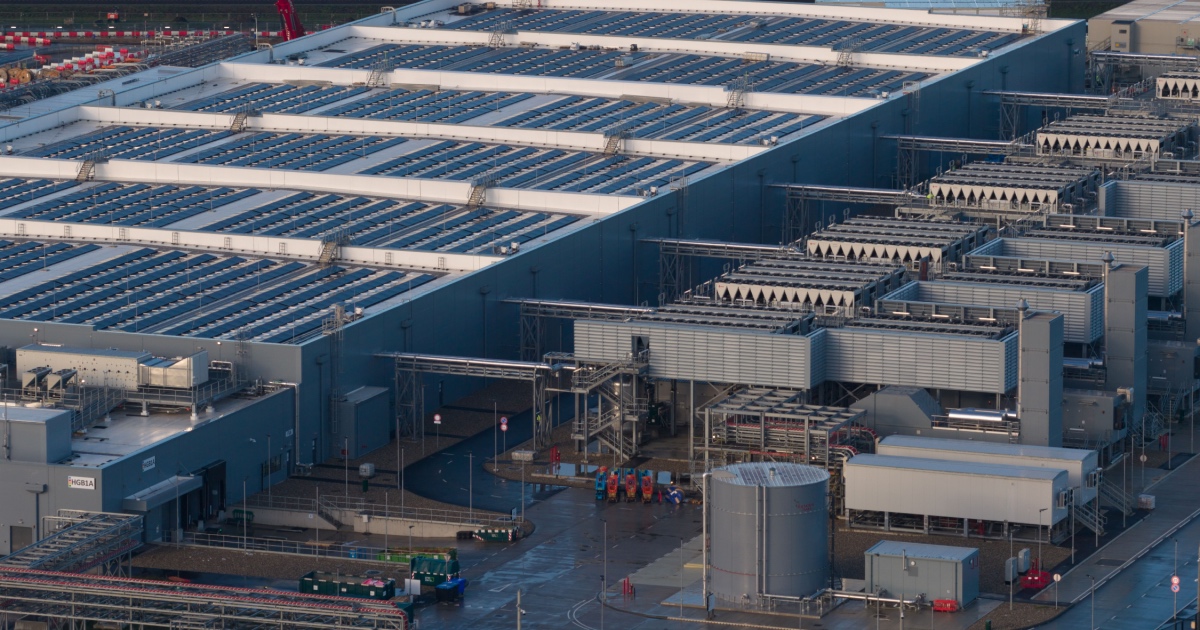

One in three data centers in Virginia sits within 200 feet of a residentially zoned property. Not an industrial zone, not a commercial corridor – residential. That proximity detail, documented in a 2024 review by Virginia’s Joint Legislative Audit and Review Commission, has become the starting point for a much larger question about what living next to one of these facilities actually does to your body.
Data centers are not a new invention, but their footprint has changed dramatically. These facilities house servers, networking equipment, and support systems for storing and managing data at scale, and they rely on a complex mix of industrial chemicals, cooling systems, and power infrastructure that can contaminate the air, water, and soil around them. The technology inside them processes everything from your email and cloud-stored photos to the AI models that are now woven into healthcare, finance, and education. Northern Virginia alone accounts for roughly 13% of all reported data center operational capacity globally, with the highest concentration of facilities anywhere in the world, according to that same JLARC review.
A 2025 modeling study estimates that U.S. data centers in 2030 could cause approximately 600,000 asthma symptom cases and 1,300 premature deaths annually, resulting in a public health burden of more than $20 billion. The data center health effects driving those projections fall into five distinct categories – and each one is supported by a growing body of research.
What Data Centers Actually Are – and Why They’re Everywhere
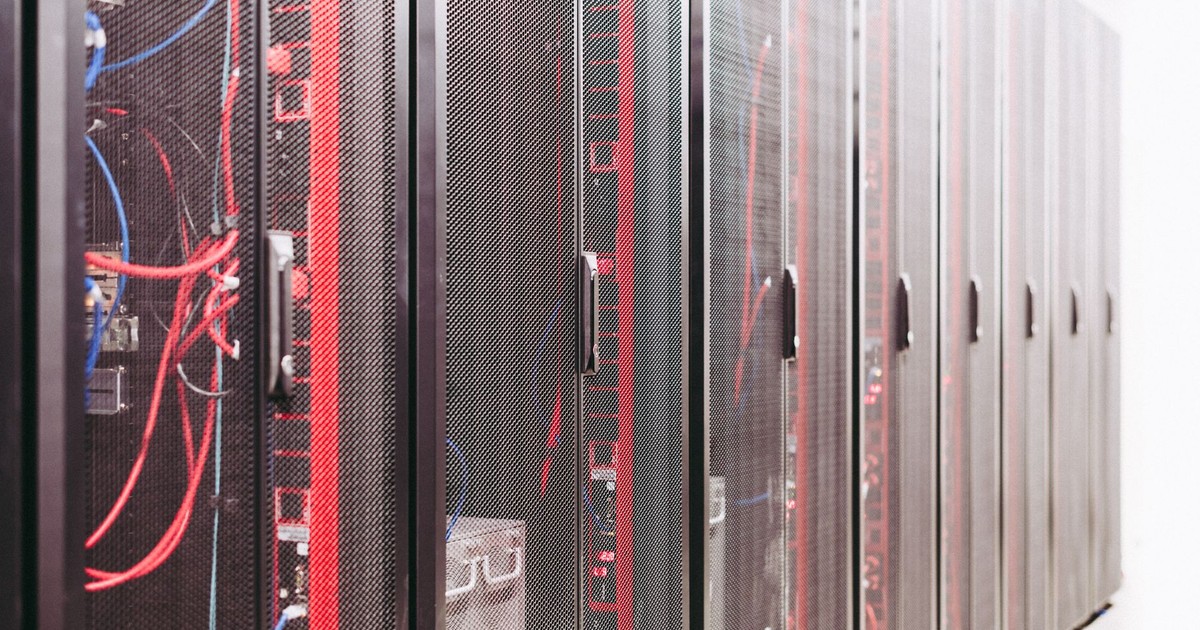
A data center is a physical facility built to store, manage, and disseminate data and information. Think of it as the physical backbone of the internet: the place where the servers, storage drives, and networking gear that run websites, cloud services, AI models, and digital communications actually live. When you stream a video, send a file, or ask a chatbot a question, a data center somewhere is doing the computational work.
Modern facilities come in two broad types. Traditional data centers handle web hosting, email, cloud storage, and virtual apps – the behind-the-scenes infrastructure of everyday internet use. AI data centers are a newer category, built specifically to train and run large AI models. They are packed with high-performance GPUs (graphics processing units) and TPUs (tensor processing units) that generate far more heat and consume far more power than conventional server hardware. A single hyperscale AI campus can draw one gigawatt or more of continuous power, enough to supply electricity to approximately 800,000 homes.
These facilities operate 24 hours a day, 7 days a week, with enormous electrical, cooling, and mechanical demands. That constant operation is the root of most of the health concerns that follow. Every system running around the clock – diesel generators, cooling towers, high-voltage transformers, industrial HVAC – produces byproducts that don’t stay inside the fence line.
U.S. data centers consumed 183 terawatt-hours of electricity in 2024, representing more than 4% of the country’s total electricity consumption, according to Pew Research Center. By 2030, that figure is projected to grow by 133% to reach 426 TWh. That growth in power demand is the engine driving most of the pollution and resource strain that puts nearby communities at risk.
Air Pollution and Respiratory Disease
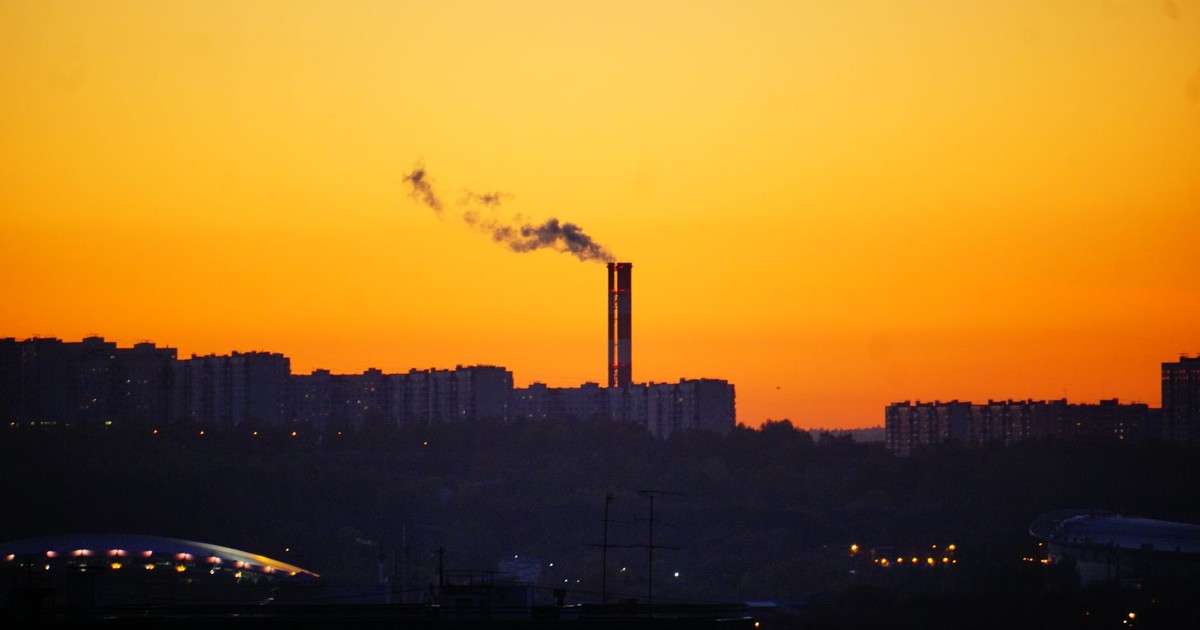
Data centers rely on diesel backup generators that emit fine particulate matter (PM2.5), nitrogen oxides (NOₓ), carbon monoxide, and other air pollutants. While theoretically used for emergencies, these generators can emit 200 to 600 times more NOₓ than natural gas plants per unit of energy generated. PM2.5 refers to airborne particles smaller than 2.5 micrometers in diameter – small enough to penetrate deep into the lungs and cross into the bloodstream.
The health consequences of PM2.5 are well-documented. Fine particulate matter has been connected to a number of cardiovascular illnesses, including myocardial infarction, stroke, and hypertension. A 2025 review published in the Journal of Medicine and Life found that PM2.5 and other pollutants drive cardiovascular disease risk through oxidative stress, endothelial dysfunction (damage to the lining of blood vessels), and chronic inflammation.
For communities near large data center clusters, this risk has concrete numbers attached to it. A 2026 study prepared by Dr. Michael Cork of EmPower Analytics Group and commissioned by the Piedmont Environmental Council found that PM2.5 emissions from a single data center’s permitted power system in Loudoun County, Virginia – one facility with eight natural gas turbines and 51 diesel generators – could contribute to between 3.4 and 6.5 premature deaths per year, along with increased hospital admissions and asthma-related outcomes, totaling $53 to $99 million in annual health damages. The study links PM2.5 exposure to asthma exacerbation, respiratory and cardiovascular disease, heart attack, stroke, and premature death, noting that children, asthmatics, and older adults with pre-existing conditions are at highest risk. If you live near a data center cluster, tracking local air quality data through the EPA’s AirNow tool and using a HEPA air purifier indoors provides a reasonable first line of defense.
Noise Pollution, Sleep Disruption, and Cardiovascular Stress

The sound from a data center doesn’t operate on a normal schedule. Unlike traffic noise that quiets at night, these facilities generate continuous, tonal mechanical sound from cooling towers, backup generators, transformers, and large-scale HVAC systems around the clock. At night, that sound reaches 55 to 65 dBA at nearby property lines – a level the WHO’s Environmental Noise Guidelines identify as a threshold above which adverse health effects occur frequently.
Those guidelines connect chronic nighttime noise exposure to a specific chain of biological damage: sleep disturbance, cardiovascular disease, hypertension, anxiety, and reduced overall well-being. A 2025 cross-sectional study published in Bioinformation – involving 125 adult urban residents – found that noise exposure can disrupt circadian rhythms, delay sleep onset, and reduce overall sleep quality, while also acting as a physiological stressor that increases the risk of headaches, irritability, dizziness, cognitive dysfunction, and mood disorders.
Standard noise meters cannot accurately measure the low-frequency sound generated by data center cooling systems, which means regulatory measurements often differ significantly from the disruptive noise that residents actually experience. High noise levels at night cause sleep deprivation and decreased cognitive performance, with the elderly, children, shift workers, and people with chronic illnesses most likely to be impacted. If noise from a nearby facility disrupts your sleep consistently, asking your local zoning authority whether noise monitoring is required at the facility’s property line is a concrete first step.
PFAS “Forever Chemical” Contamination

PFAS – per- and polyfluoroalkyl substances – are a family of thousands of synthetic chemicals used in data centers since the 1940s, primarily to make components resistant to water and heat. The fluorine-carbon bond in PFAS makes them virtually permanent in the environment, since natural processes cannot break them down. Studies have linked long-term exposure to even low levels of some PFAS with cancer and damage to reproductive and immune systems.
Inside a data center, PFAS appear in cooling system fluids, semiconductor coatings, and fire suppressants. The most common cooling method involves using PFAS gases in a compressor system, similar to a refrigerator. Computers can also be submerged in PFAS chemical fluids to transfer heat. These chemicals can escape into the air or leak into water sources, contaminating drinking water and agriculture.
When PFAS enter the body, they accumulate in human tissue instead of being metabolized and excreted like other contaminants. This bioaccumulation is particularly toxic to the liver, blood, and kidneys. Researchers have found that PFAS impact fetal growth, organ development, and reproductive health, and they have been linked to high rates of cancer. An increasing number of epidemiological studies have documented adverse health risks associated with PFAS exposure, including increased risks of some cancers, reduced immune function, and developmental delays in children. The EPA determined in 2024 that there is no safe level of PFAS exposure. For context on how PFAS contaminate other parts of the food chain, this investigation into forever chemicals in produce covers the exposure routes most people aren’t aware of. If your home uses well water and a data center operates nearby, testing for PFAS contamination through a certified lab is a practical precaution.
Drinking Water Quality and Wastewater Discharge

Large data centers can consume up to 5 million gallons of water per day, equivalent to the water use of a town of 10,000 to 50,000 people, according to the Environmental and Energy Study Institute. That water is primarily used to cool servers. As it cycles through cooling towers and evaporates, the remaining water becomes increasingly concentrated with dissolved solids. When that water is discharged, it carries those concentrates back into local water systems.
The wastewater data centers release may contain salts, minerals, biocides (chemicals that kill bacteria in cooling water), heavy metals, and PFAS chemicals, all of which can affect local drinking water quality. The scale of this problem has grown with the AI boom. AI data centers consumed nearly 264 billion gallons of water in 2025, roughly equivalent to the annual water usage of 1.8 million Americans, according to Barchart News. Google’s own reported water use grew from 4.3 billion gallons in 2021 to 6.1 billion gallons in 2024.
The contamination risk took on legal weight in 2026, when Chemours, a major PFAS producer for data center coolants, reached a $450 million settlement for contaminating the Cape Fear, Delaware, and Ohio rivers with PFAS. Communities drawing water from downstream sources of industrial PFAS discharge face the most direct exposure. Households near high-density data center zones should look up whether their water utility tests for PFAS under the EPA’s 2024 enforceable maximum contaminant levels.
Light Pollution and Circadian Disruption

Hyperscale data centers require all-night lighting that disrupts the natural circadian rhythms of the body, including melatonin production – the hormone that regulates the sleep-wake cycle. This affects not only nearby human residents but wildlife as well. Melatonin suppression from nighttime light exposure has been studied for decades in the context of shift work and urban living, but data centers add an intensity and consistency to that exposure that is relatively new for suburban and rural communities.
Artificial light at night disrupts the body’s circadian rhythms, suppressing melatonin and altering sleep-wake cycles. The long-term impacts of both noise and light pollution include hearing loss, stress, insomnia, and decreased quality of life. This is especially relevant for residents on the same side of a facility as external lighting arrays, which run continuously regardless of weather or season.
The mechanism here is straightforward. When light hits the retina after dark, the brain interprets it as daytime and suppresses melatonin release. Chronically disrupted melatonin doesn’t just affect sleep quality – research has linked it to impaired immune function, metabolic changes, and elevated cancer risk over time. Blackout curtains in bedrooms, combined with requesting that local code enforcement check whether the facility complies with any applicable outdoor lighting ordinances, are reasonable responses for affected residents.
Read More: Nation’s Biggest Polluters Exempted From Air Quality Rules With One Trump Email
What This Means for You
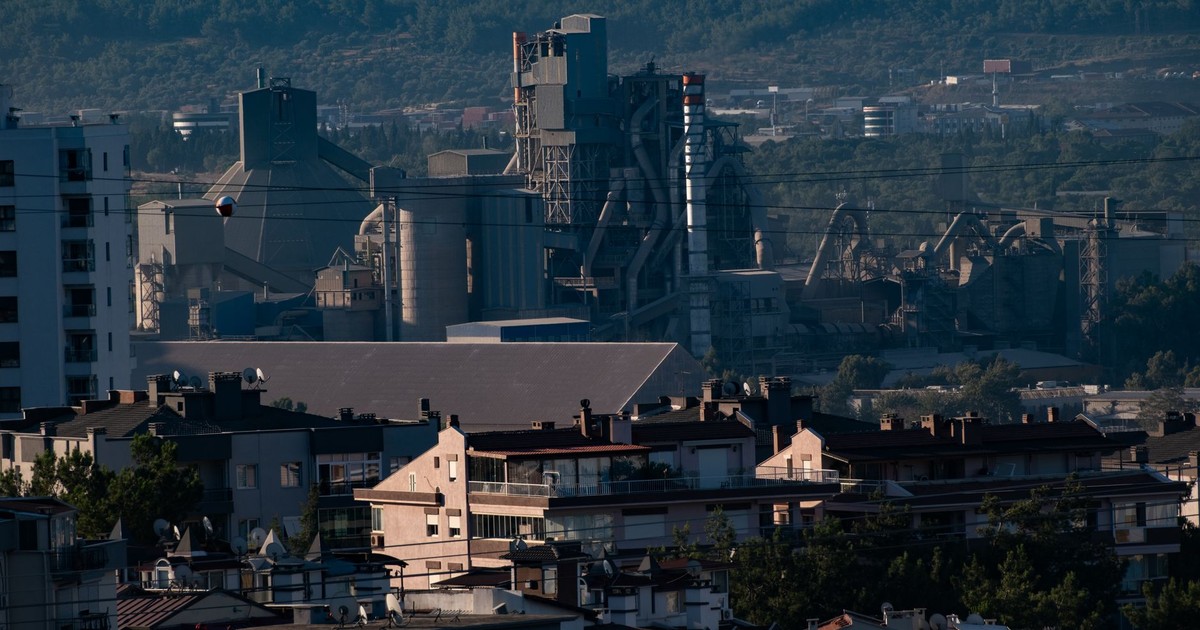
Data center health effects on surrounding communities have moved well past the level of fringe concern. The American Lung Association’s 2026 State of the Air report examined data centers as a growing source of air quality concern, noting that the rapidly increasing number of facilities powered by fossil fuels can contribute significantly to local air pollution burdens. Five distinct categories of harm – air pollution, noise, PFAS contamination, water quality, and light-driven circadian disruption – can occur simultaneously for residents within a mile or two of a large facility.
If you live near a data center, test your well water annually for PFAS, use a HEPA air purifier indoors, monitor local air quality during generator testing events, and use blackout curtains if facility lighting reaches your bedroom windows. At the community level, public engagement is changing outcomes: residents in Northern Virginia have organized successfully to push state legislators to pass new permitting and sound assessment requirements for large facilities, and Virginia now mandates site assessments for any data center drawing 100 megawatts or more. Asking your local planning board for health impact assessments before new data center permits are issued is one of the most direct actions available.
Disclaimer: This information is not intended to be a substitute for professional medical advice, diagnosis, or treatment and is for information only. Always seek the advice of your physician or another qualified health provider with any questions about your medical condition and/or current medication. Do not disregard professional medical advice or delay seeking advice or treatment because of something you have read here.
AI Disclaimer: This article was created with the assistance of AI tools and reviewed by a human editor.
Read More: New York’s Data Center Construction Halt: What It Means for AI and Your Electric Bill