

Illnesses linked to this outbreak began on June 22, and onset dates have continued through July 20, 2026. The CDC is investigating a multistate outbreak of Cyclospora infections that, since May 1, 2026, produced 1,645 confirmed domestic cases and more than 5,100 additional cases requiring further analysis – substantially higher than the 249 cases reported nationally by the same time the previous year. But those numbers were just the opening act.
By late July, the scale of what was unfolding had no precedent in recorded US history. The CDC confirmed 6,707 laboratory-verified cases across multiple states, and is investigating clusters including one multistate outbreak affecting 9 states linked to iceberg lettuce. That figure still almost certainly undercounts the true burden. The true number of sick people is likely higher than reported because some people recover without medical care and are never tested for Cyclospora.
What makes this Cyclospora outbreak particularly striking isn’t just its size. It’s the nature of the parasite at its center – a microscopic organism that most Americans had never heard of, hiding in a food eaten at millions of lunch counters every day. Cyclospora cayetanensis burrows into the intestinal lining, causing inflammation and profuse watery diarrhea. And unlike more familiar food pathogens like Salmonella or E. coli, this one plays by different rules – rules that make it harder to detect, harder to eliminate, and potentially harder to stop.
1. How the 2026 Cyclospora Outbreak Unfolded: A Timeline

The cyclosporiasis season in the US runs May 1 through August 31, and the 2026 outbreak season began precisely on May 1, though clusters of cases have been detected outside this range in some years. Early signals emerged quietly, with cases appearing in Michigan and neighboring states before investigators had any clear picture of what was driving them.
The CDC confirmed 1,645 domestically acquired cases across 34 states since May 1, with a multistate cluster of 400-plus cases in Michigan, Ohio, West Virginia, and Kentucky that investigators believed might share a common food source. Lettuce and salad greens came under immediate scrutiny. Michigan was hit hardest from the start, and its state health department conducted more than 1,000 patient interviews in an attempt to identify the vehicle of transmission.
On July 17, 2026, Taylor Farms de Mexico recalled all iceberg lettuces sourced from central Mexico. The recall included iceberg lettuce sold at retail stores and served in restaurants, as well as other recalled products distributed to food service customers. By July 24, the outbreak had grown to nine confirmed states. The four newly linked states – Illinois, Kansas, Oklahoma, and Pennsylvania – joined Indiana, Kentucky, Ohio, West Virginia, and hard-hit Michigan.
Michigan alone reached 11,234 total cases with 193 hospitalizations as of July 30, 2026, and two deaths were identified as part of the cyclosporiasis outbreak affecting the state. At the national level, there were at least 98 hospitalizations reported in the multistate outbreak investigation. Across the broader US picture, an estimated 18,000 confirmed or probable cases were reported to the CDC as of July 2026, making it the largest cyclosporiasis outbreak on record.
2. The Food Connection: What Has Been Linked to Cyclospora
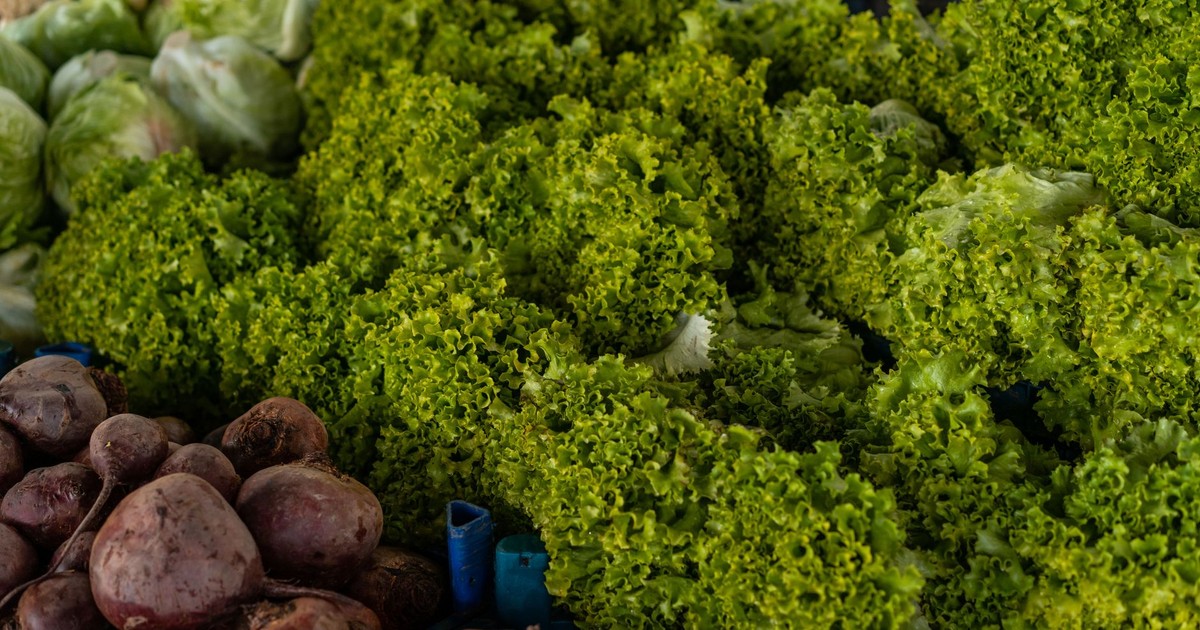
A total of 1,947 people infected with Cyclospora and reporting exposure to Taco Bell were reported by nine states. The common denominator investigators kept arriving at was shredded iceberg lettuce – a topping used across Taco Bell’s menu. The nation’s largest multistate outbreak of cyclosporiasis was linked to shredded iceberg lettuce. But Taco Bell’s menu items were a vehicle, not the origin. The origin was the lettuce supply chain itself.
The 2026 situation fits a well-established pattern. Foods that have caused cyclosporiasis outbreaks in the past include imported raspberries, herbs such as cilantro and basil, leafy greens, snow peas, and mesclun lettuce from imported sources. People develop cyclosporiasis by consuming food or water contaminated with Cyclospora oocysts – the environmentally resistant stage of the parasite’s life cycle – and fresh fruits, leafy greens, herbs, and other produce eaten raw are among the foods most often linked to outbreaks, particularly when they have been irrigated with contaminated water.
Fresh herbs deserve particular attention. Cilantro, basil, and flat-leaf parsley are grown close to the ground, harvested by hand, and typically eaten raw. If the irrigation water or the hands of farm workers carry the parasite’s oocysts (the egg-like stage that survives in soil and water), there is no cooking step to serve as a safety net. The same logic applies to salad mixes, pre-shredded lettuce sold in bags, snow peas, and soft berries like raspberries – all of which have appeared in past outbreak investigations. When choosing raw produce right now, these categories carry the highest documented historical risk.
The standard treatment for cyclosporiasis is trimethoprim-sulfamethoxazole (TMP-SMX), sold under brand names like Bactrim, Septra, or Cotrim. But that’s only relevant once someone is already sick. The more pressing question for most people is how to eat safely during an active outbreak.
3. Why Washing Produce Won’t Protect You From Cyclospora
Most people assume that rinsing lettuce under the tap before eating it eliminates contamination risk. With Cyclospora, that assumption is dangerously incomplete. Washing produce under running water cannot guarantee removal of Cyclospora, and chemical disinfection or sanitizing of produce might not fully eliminate the parasite. This puts raw produce in a uniquely difficult category compared to, say, raw chicken – where proper cooking always removes the risk.
Heating food to 158°F (70°C) or higher kills Cyclospora. Freezing, however, does not. Cyclospora is a microscopic parasite that typically infects people through contaminated food or water. Once oocysts – the parasite’s hardy, shell-like eggs – attach to leaf surfaces or embed in the crevices of produce, no amount of rinsing will dislodge them reliably. Salad spinners, vegetable washes, and diluted vinegar solutions have not been shown to eliminate the organism.
Standard disinfectants won’t eliminate Cyclospora, and the parasite is routinely missed in standard lab panels without a specific order. That last point matters for anyone who gets sick and visits a doctor. Because testing for Cyclospora is not routinely conducted in most US laboratories, healthcare providers may have to specifically request testing for it. If you have symptoms of cyclosporiasis – particularly watery diarrhea, severe cramping, or symptoms that cycle on and off – you need to ask your healthcare provider to request stool testing specifically for Cyclospora, since standard stool tests don’t always screen for this parasite.
For people in high-risk groups – immunocompromised individuals, pregnant women, older adults, and young children – avoiding raw leafy greens and fresh herbs during an active outbreak may be the most practical protective step, since cooking to 158°F remains the only reliably effective method of killing the parasite.
4. Recognizing the Symptoms and Understanding the Timeline

People begin to experience symptoms of cyclosporiasis about one week after exposure, with onset ranging from as soon as 2 days to 2 weeks or more. That long and variable incubation window is part of what makes outbreak investigations so difficult. Someone who ate at a fast-food restaurant on a Monday might not get sick until the following Monday or later – by which time they’ve forgotten exactly what they ate and where.
The condition causes watery, sometimes explosive diarrhea, severe cramping, nausea, fatigue, and symptoms that can cycle on and off for weeks or months without treatment. The cycling nature is one of Cyclospora’s most distinctive features. Unlike a stomach bug that hits hard and clears within 48 hours, case counts typically rise during spring and summer months, and the CDC considers May 1 through August 31 the annual cyclosporiasis season.
The infection may eventually subside in people with healthy immune systems, but recovery is typically slower, and even with treatment, illness relapse can occur. Immunocompromised persons may experience more severe illness of longer duration along with complications requiring close medical attention. Immunocompromised individuals, pregnant women, young children, and older adults are at higher risk of serious complications.
If you experience any of the following, don’t wait to seek care: signs of severe dehydration, including dizziness when standing, rapid heartbeat, or inability to keep fluids down, as well as bloody diarrhea, high fever, or significant weakness, all warrant emergency care immediately.
5. Medical Treatment: What the CDC and IDSA Actually Recommend
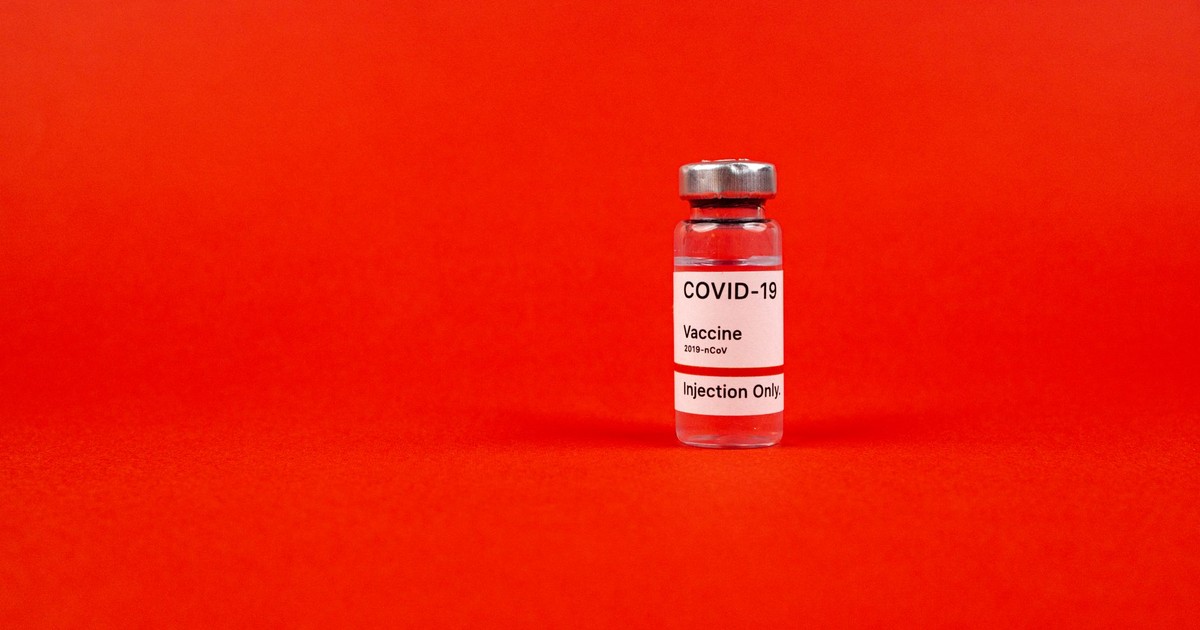
The only proven treatment is an antibiotic regimen of trimethoprim-sulfamethoxazole (TMP-SMX), also sold as Bactrim or Septra. No natural remedy has been clinically proven to eliminate Cyclospora from the body. The recommended treatment is supported by both the CDC and the Infectious Diseases Society of America (IDSA), which published clinical practice guidelines for the diagnosis and management of infectious diarrhea. According to clinical guidance from the CDC, the standard adult dose is 160mg TMP plus 800mg SMX (one double-strength tablet) taken twice a day orally for 7 to 10 days.
Most adults take the medication for 7 to 10 days, and most patients begin feeling better within several days after starting therapy. Stopping antibiotics early – unless instructed by a healthcare provider – is not recommended. Patients who cannot take TMP-SMX because of a sulfa allergy should discuss other options with an infectious disease specialist, as there is no well-validated alternative for this specific parasite.
Early communication with an infectious disease specialist may improve outcomes, particularly for patients with underlying conditions, weakened immune systems, or symptoms severe enough to require hospitalization. Hospital treatment may be necessary if dehydration becomes severe. The Michigan deaths reported in this outbreak involved individuals with significant underlying health conditions, reinforcing the importance of prompt medical attention for vulnerable people showing cyclosporiasis symptoms.
6. Supportive Care and Recovery: Fluids, Food, and What to Avoid

Antibiotics treat the parasite, but they don’t replace what diarrhea takes from the body. Preventing dehydration is the single most important goal of treating Cyclospora at home. Diarrhea causes the body to lose both water and electrolytes, and if these losses aren’t replaced, dehydration can become severe enough to require hospitalization.
Plain water is helpful but not sufficient on its own when diarrhea is severe. Most people infected with Cyclospora develop diarrhea, with frequent bowel movements, along with other common symptoms including loss of appetite, weight loss, stomach cramps, bloating, increased gas, nausea, and fatigue. Oral rehydration solutions such as Pedialyte, NaturaLyte, Infalyte, or Ceralyte replace both fluids and the electrolytes (salts like sodium and potassium) that diarrhea strips from the body. Sports drinks are better than nothing, but their electrolyte content is lower than clinical-grade rehydration solutions, and their sugar content can sometimes worsen diarrhea in already-irritated guts. Clear broths can supplement fluid intake if solid food is hard to tolerate.
Drinking fluids consistently throughout the day rather than waiting until feeling thirsty is the recommended approach, and choosing foods that are easy to digest can reduce irritation while the intestines recover. Plain rice, bananas, toast, and boiled potatoes are generally well tolerated. Dairy products, high-fat foods, caffeine, and alcohol all put additional stress on an already-inflamed gut and are best avoided until recovery is complete. Symptoms may seem to go away and then return one or more times (relapse), and some patients continue having mild bowel changes for a short period after the infection clears.
On the question of natural remedies: there is currently not enough human clinical evidence to say that natural remedies can eradicate Cyclospora infection – the research is promising in some areas for general antimicrobial or antiparasitic activity, but evidence specifically against Cyclospora cayetanensis in humans is lacking. Berberine has been studied for diarrheal illness generally, and garlic contains compounds with antimicrobial properties, but neither has been shown to clear Cyclospora in human clinical trials. These may support overall gut recovery but cannot replace the antibiotic course that eliminates the parasite.
7. The Bigger Picture: What Comes After This Cyclospora Outbreak

As of July 1, 2025, the Foodborne Diseases Active Surveillance Network (FoodNet) program reduced surveillance to just two pathogens: Salmonella and Shiga toxin-producing E. coli (STEC). That change dropped mandatory tracking from 8 to 2 organisms – a full year before this outbreak reached record scale – meaning the national surveillance infrastructure was weakened precisely as cases were beginning to climb.
Public health researchers have flagged Listeria monocytogenes as a particular concern in the post-FoodNet environment. Vulnerable populations, such as the elderly and pregnant women, have a mortality rate of 20 to 30% when infected with Listeria. Unlike Cyclospora, which causes serious illness primarily through dehydration and prolonged gastrointestinal distress, Listeria can cause convulsions, miscarriage, and organ-damaging sepsis. Public health experts worry that without active surveillance of all eight pathogens, officials won’t be able to adequately compare trends over time or quickly identify and respond to outbreaks. With reduced surveillance capacity, an emerging Listeria cluster could spread further before it’s identified.
Because testing for Cyclospora is not routinely conducted in most US laboratories, healthcare providers may have to specifically request testing for it – and the same blind spot now applies at the federal level. Cyclospora is not spread directly from person to person because oocysts shed in the feces of infected persons must mature (sporulate) outside the host in the environment before they become infectious – a process that takes one to two weeks. That’s one of the few reassuring facts about this parasite: a sick family member cannot give you Cyclospora through direct contact. But contaminated produce moving through a national supply chain can infect thousands of people across 41 states before anyone notices the pattern.
Read More: Parasites Are Causing Explosive Diarrhea to Surge. Here’s How To Minimize Your Exposure
What to Do Right Now
The 2026 Cyclospora outbreak is still active. The outbreak may not be limited to the states with known illnesses, and the true number of sick people is likely much higher than reported, because many people recover without medical care and are never tested for Cyclospora. If you’ve eaten shredded iceberg lettuce from any fast-food chain or retail bag in the past few weeks and you’re experiencing watery diarrhea, cramping, or fatigue that keeps returning after a day or two of feeling better – that cycling pattern is a hallmark of this parasite and your doctor needs to know.
Ask specifically for Cyclospora stool testing. If the test comes back positive, the antibiotic course of TMP-SMX for 7 to 10 days is the established treatment. While you recover, prioritize oral rehydration solutions over plain water, avoid raw produce in the highest-risk categories (shredded lettuce, fresh herbs, raspberries, snow peas), and remember that cooking produce to 158°F is the only method proven to eliminate the parasite if you’re preparing food for someone immunocompromised or pregnant. Washing alone won’t do it. And if the surveillance rollbacks of 2025 tell us anything, it’s that the food safety net has real holes in it right now – the burden of vigilance has shifted, at least partly, to individual consumers.
Disclaimer: This information is not intended to be a substitute for professional medical advice, diagnosis, or treatment and is for information only. Always seek the advice of your physician or another qualified health provider with any questions about your medical condition and/or current medication. Do not disregard professional medical advice or delay seeking advice or treatment because of something you have read here.
AI Disclaimer: This article was created with the assistance of AI tools and reviewed by a human editor.