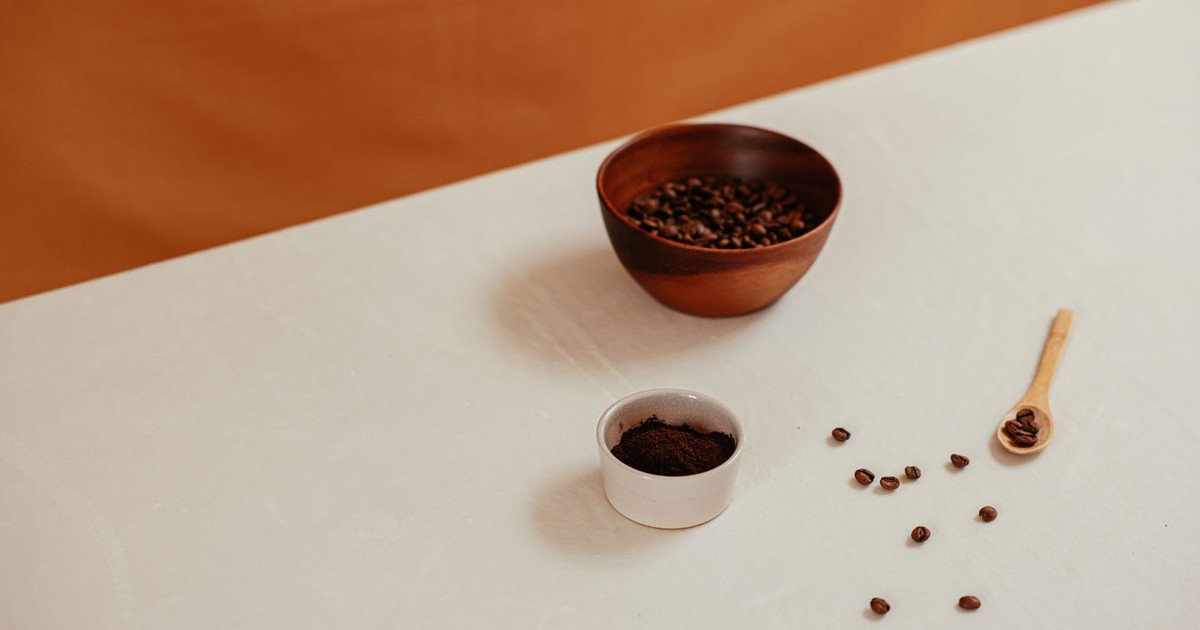

Mosquitoes can detect a human body from up to 50 meters away, guided almost entirely by smell. That scent-tracking ability is also their biggest vulnerability – and it’s why something as ordinary as a bowl of used coffee grounds on the patio can actually make a dent in how many bugs ruin your summer evenings.
The strong aroma released when coffee grounds are present overwhelms insects, which find it deeply unpleasant despite humans associating it with warmth and comfort. The natural oils that repel insects are precisely what give coffee its rich aroma and flavor – wasps, hornets, and mosquitoes rely heavily on their sense of smell to navigate and locate food sources. Disrupt that sense, and you disrupt their whole operation.
For gardeners, the benefits don’t stop at pest deterrence. The same grounds that sit in that porch bowl can go straight into the compost afterward, feeding the soil that feeds your plants. Used coffee grounds turn out to be one of the more versatile tools in a gardener’s toolkit – tackling bugs, odors, and soil nutrition at once. Coffee grounds pest control starts with understanding exactly which problems the grounds actually solve, and how to apply them correctly.
1. Coffee grounds repel mosquitoes, wasps, and bees
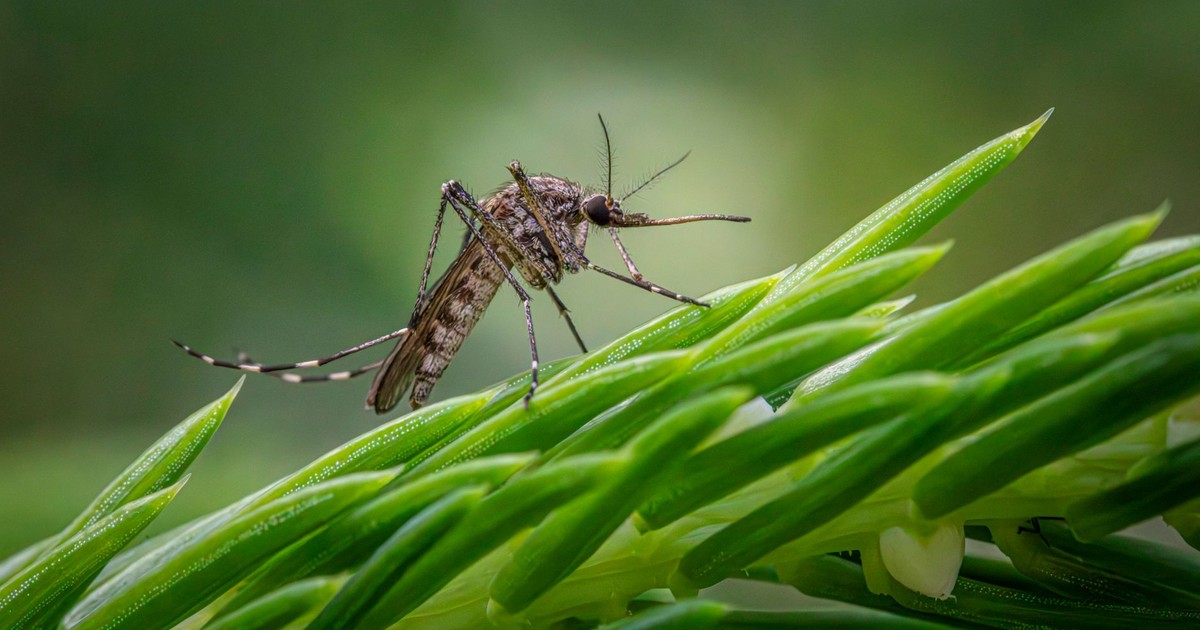
Sprinkling coffee grounds around your garden or backyard is widely cited as a way to help keep pests away, including ants, slugs, snails, and fleas – making them a recognized chemical-free option for general garden pest management. For flying insects like mosquitoes, the evidence is less clear-cut, but the mechanism still applies: insects use highly sensitive olfactory receptors to detect and interpret scents in their environment, and the dense, bitter scent of coffee effectively jams that system. The strong smell masks the scents on humans that attract mosquitoes in the first place. Placed near seating areas or doorways, a bowl of dry grounds creates a scent perimeter that many flying insects would rather avoid.
For the strongest effect outdoors, burning the grounds amplifies this considerably. When coffee grounds smolder, they release volatile compounds – notably caffeine and diterpenes – into the surrounding air. Insects also generally associate smoke with danger, which makes the smoldering approach doubly effective: the scent repels while the smoke signals them to find shelter elsewhere. For a patio dinner or backyard gathering, setting a few heat-safe bowls of smoldering grounds around the perimeter is a practical, chemical-free alternative to synthetic sprays.
2. Coffee grounds disrupt mosquito breeding – coffee grounds pest control at the source
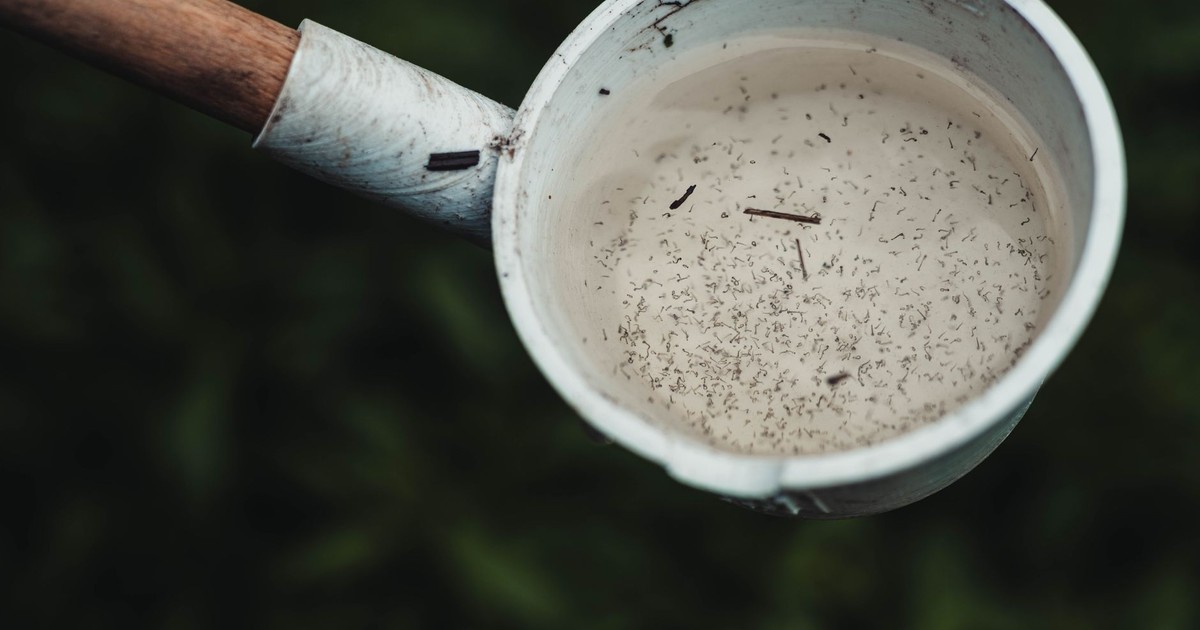
Keeping adult mosquitoes away is one thing. Interrupting their reproductive cycle is considerably more useful. Water containing coffee or used grounds can discourage adult mosquitoes from laying eggs in standing water, and if they do lay eggs, the coffee can kill the larvae before they develop into adults.
Mosquitoes breed in any standing water – bird baths, plant saucers, clogged gutters, garden pots left out in the rain. A small amount of coffee grounds added to these water sources can make them inhospitable for egg-laying. A 2015 study published in Parasites & Vectors found that female mosquitoes deposited their eggs in plain water far more often than in water containing coffee extracts, suggesting the compounds in coffee actively deter egg-laying. Coffee grounds have gained attention as a simple and affordable way to help deter insects including mosquitoes, best of all without relying on harsh chemicals that may negatively affect the environment.
Dr. Theresa Dellinger, a diagnostician in the Insect Identification Lab at Virginia Tech, noted that researchers have examined coffee grounds’ effect on mosquito development, and that published studies show coffee grounds can inhibit mosquito populations – particularly at the larval stage in standing water. If your garden has any containers that collect rainwater, adding a small amount of dried coffee grounds is a low-effort way to make those spots less attractive to mosquitoes looking to lay eggs.
3. Coffee grounds deter slugs and snails from plants
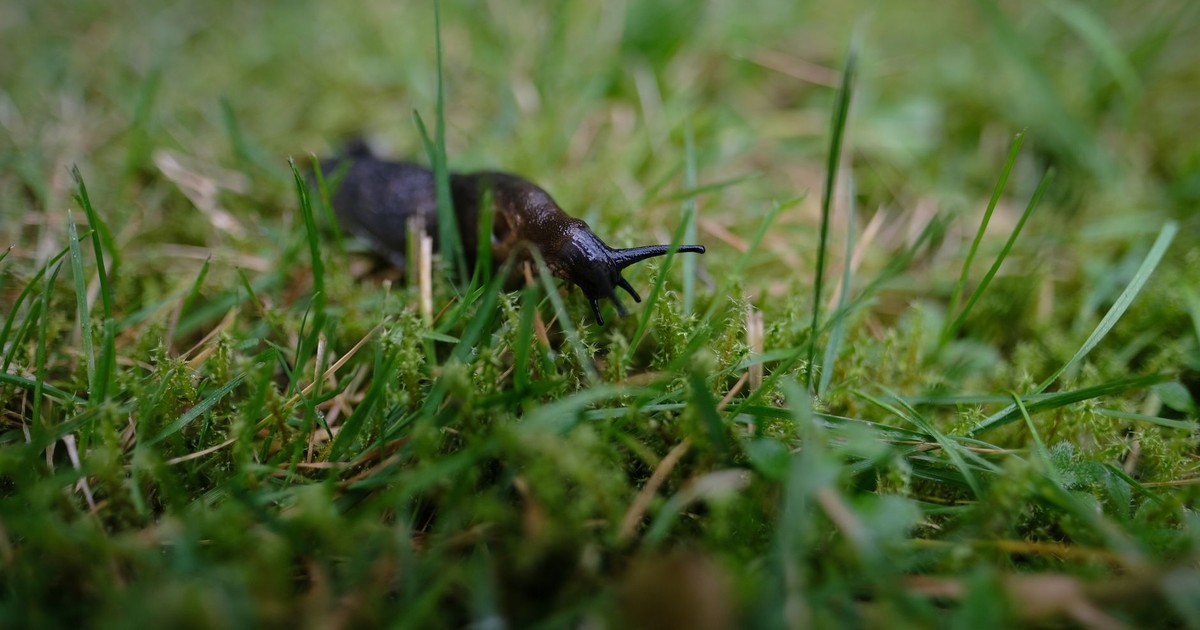
Coffee grounds create an effective barrier against soft-bodied pests like slugs and snails, which find the texture and components of the grounds unpleasant and avoid crossing them – making the method particularly useful for protecting plants like hostas and lettuce.
The abrasive, gritty texture of dry grounds is one part of this. When implemented correctly, coffee grounds can be an effective way to repel pests such as wasps, snails, and mosquitoes. For slugs and snails specifically, sprinkling a ring of dry grounds around vulnerable plants creates a physical and chemical barrier. Coffee grounds contain nitrogen and small amounts of micronutrients that can interfere with the chemical environment these soft-bodied pests prefer.
A ring of dry, used coffee grounds around the base of plants, roughly 1 to 2 inches wide, is the recommended application. Reapply after it rains or when the grounds get wet, since moisture reduces both the texture and scent intensity that makes the barrier work. Slugs are most active at night and after rain, so keeping the barrier fresh and dry is the key variable.
4. Coffee grounds neutralize patio and garden odors
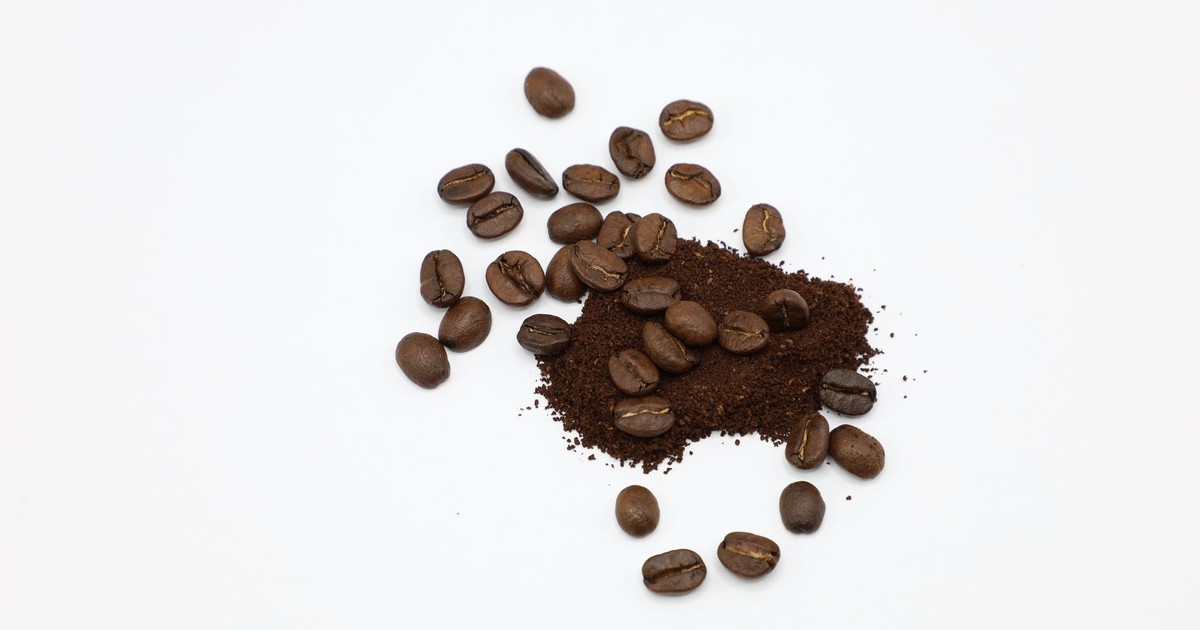
A bowl of coffee grounds on the porch does more than deter bugs – it also acts on odors that can make an outdoor space less inviting. According to The Kitchn, coffee contains nitrogen, which helps neutralize odors rather than simply covering them up – the mechanism is chemical, not cosmetic. Their porous texture traps odor particles, making them especially effective in enclosed or semi-enclosed spaces.
The nitrogen in coffee grounds plays a specific role here. Nitrogen contributes to countering sulfur compounds that are often the culprits behind bad odors – the same sulfur chemistry that makes compost smell or gives rotting organic matter its bite. A bowl of grounds near a garbage can, a compost bin lid, or even a pet area addresses those odors at the chemical level rather than masking them with fragrance.
The USDA’s Food Safety and Inspection Service recommends sprinkling fresh coffee grounds or baking soda loosely in a large, shallow container in the bottom of the refrigerator and freezer to manage food odors. The same logic applies outdoors. Once dried properly, coffee grounds won’t develop mold and can last for weeks in small spaces, making them a practical, long-lasting option rather than a solution you need to replace every few days.
5. Coffee grounds feed your soil after pest duty is done
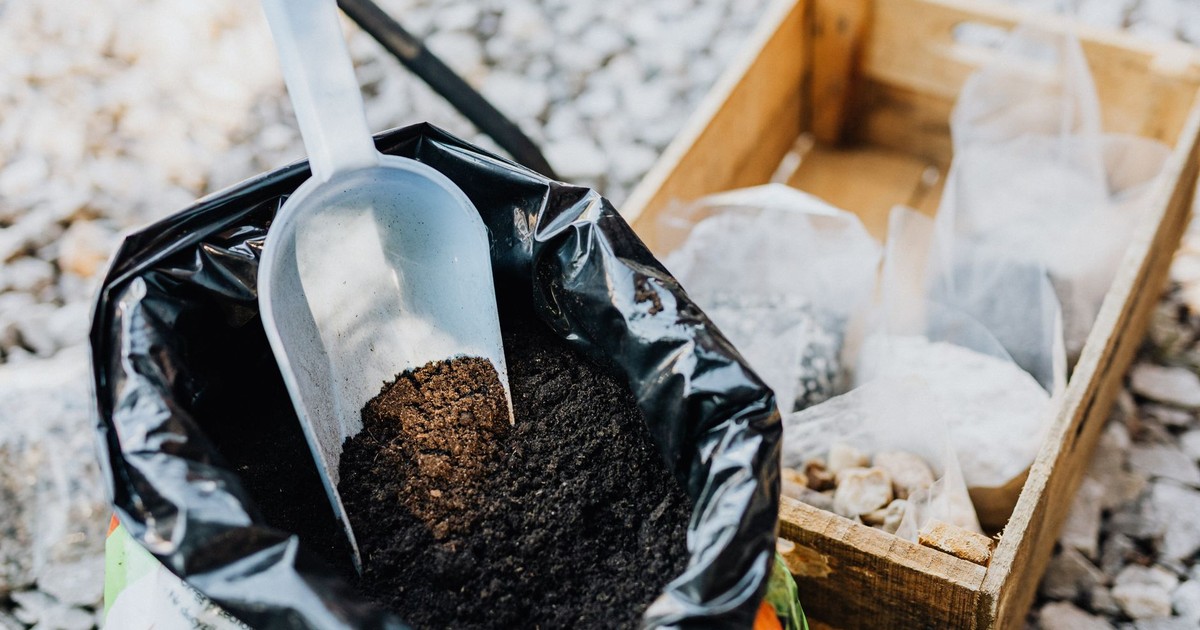
Once the bowl of grounds has done its work on the porch, it doesn’t need to go to waste. Mixed into garden beds or added to the compost pile, those same grounds become a meaningful soil amendment. Coffee grounds add nitrogen, organic matter, and beneficial microbes to soil. According to the University of Connecticut Extension, coffee grounds contain major nutrients including nitrogen, phosphorus, and potassium, along with various micronutrients that benefit plant growth.
The nitrogen in coffee grounds isn’t instantly available to plants, which is actually an advantage. Soil microbes need to break down the organic material first, gradually converting it into forms roots can absorb – this slow release feeds plants over weeks rather than delivering a single burst that can burn roots or wash away in rain.
Coffee grounds are a fine-textured organic material that, when mixed into soil, improves its physical properties: in heavy clay soils they help break up compaction and improve drainage, while in sandy soils they increase the ability to hold moisture. The Oregon State University Extension Service also confirms that grounds contribute trace amounts of potassium, phosphorus, calcium, and magnesium, rounding out their nutritional profile even if they can’t replace a complete fertilizer.
6. Mixing coffee grounds with baking soda doubles the effect

The combination of coffee grounds with baking soda (sodium bicarbonate) amplifies both the odor-neutralizing and pest-deterrent properties of each ingredient individually. Sodium bicarbonate eliminates foul-smelling odors because it’s an amphoteric base – a substance that neutralizes both alkaline and acidic odor compounds. Coffee grounds handle the sulfur-based odors through nitrogen chemistry; baking soda handles the rest. Together, they cover a broader spectrum of odor molecules than either one alone.
For pest deterrence, the combination also thickens the barrier. Two or three tablespoons of baking soda mixed into a bowl of dried coffee grounds creates a mixture that maintains its texture and scent longer between changes. The baking soda helps absorb moisture that would otherwise dampen the grounds and reduce their effectiveness, keeping the mixture dry and potent through fluctuating outdoor humidity.
The prep is straightforward. Spread used grounds on a baking sheet or flat plate and leave them somewhere cool and dry until completely dry – typically 24 to 48 hours. Wet grounds will mold quickly, which defeats the purpose. Once dry, combine with baking soda in a shallow bowl and place it near entry points, under outdoor furniture, or beside a patio dining area. Replace the mixture every two to three weeks, or immediately after heavy rain.
Read More: How You Can Use Coffee Grounds To Repel Insects, Fertilize Lawns And Do Other Household Chores
What to do with a bowl of coffee grounds this summer

The case for coffee grounds pest control isn’t built on a single benefit – it’s the overlap of several that makes the bowl-on-the-porch habit worth adopting. The grounds repel adult mosquitoes through scent, disrupt their breeding in standing water, create a physical barrier against slugs and snails, and neutralize the patio odors that attract other insects. Mixed with baking soda, the mixture becomes more durable and covers a wider odor spectrum. When the summer season winds down, the same grounds go directly into the compost or garden bed, feeding the soil that grows next year’s plants.
Dried grounds are the key to making this work consistently. Wet grounds lose potency fast and can develop mold, which generates its own odors. Keep a flat tray near the coffee maker to dry grounds before collection, refresh your patio bowl every two to three weeks, and add a ring of grounds around any susceptible plants after each rain. None of that takes more than five minutes – and it repurposes something most households currently throw away every single morning.
Disclaimer: This information is not intended to be a substitute for professional medical advice, diagnosis, or treatment and is for information only. Always seek the advice of your physician or another qualified health provider with any questions about your medical condition and/or current medication. Do not disregard professional medical advice or delay seeking advice or treatment because of something you have read here.
AI Disclaimer: This article was created with the assistance of AI tools and reviewed by a human editor.
Read More: Your Old Coffee Container Makes a Better Bird Feeder Than You’d Think