

A Wall Street Journal analysis of data from just 15 countries found that at least 180,000 American citizens left the U.S. to live abroad last year – and the total number is almost surely higher globally. What’s driving the departure isn’t adventure. Cost of living, healthcare access, and quality of life consistently rank as top motivators for emigration across multiple surveys.
Total annual household expenditures in the United States averaged $78,535 in 2024, equivalent to an average of $6,545 per month, according to the Bureau of Labor Statistics. For retirees on fixed incomes, that figure is the wrong side of the ledger. U.S. households led by someone 65 or older spend $61,432 a year – $5,119 a month – on average, according to the latest federal consumer spending data for 2024. Set that against the average Social Security retirement benefit of approximately $2,083 per month as of May 2026, and the monthly gap is roughly $3,000 that has to come from somewhere else. The math is what is sending people to look at cheap places to relocate abroad, sometimes permanently.
These destinations share a particular combination: healthcare that doesn’t require a second mortgage, rental markets still operating in the hundreds rather than thousands, and visa programs designed to welcome foreign retirees and remote workers. The six places below are where that combination currently works – with specific numbers to show why.
1. Panama
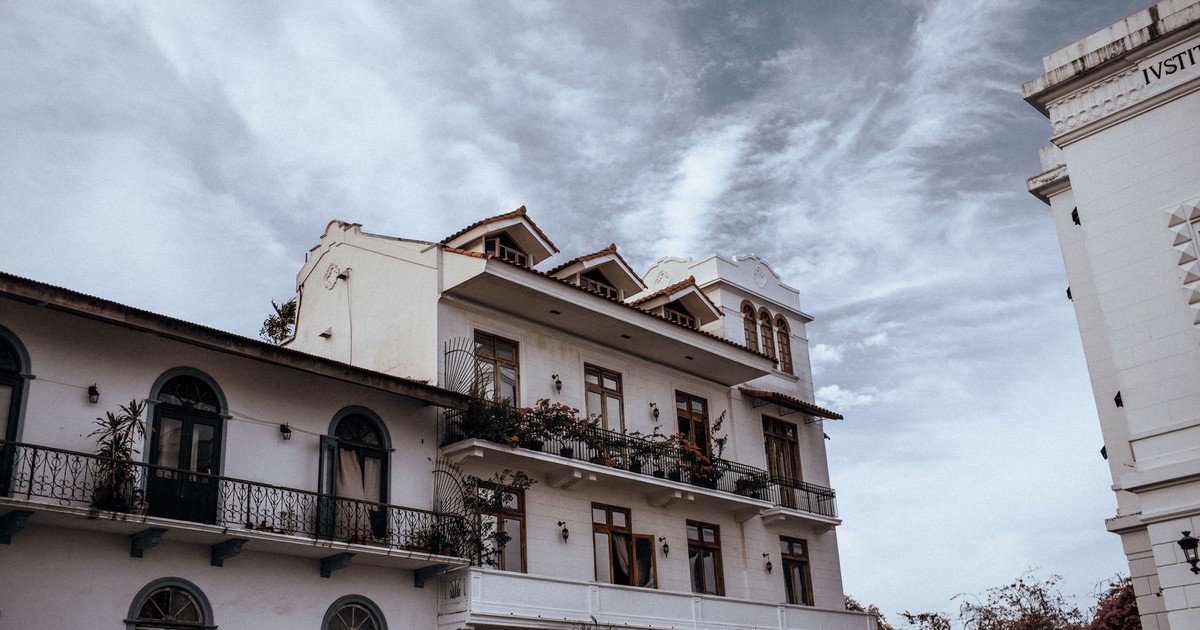
Panama’s cost of living is 35.4% lower than the U.S., according to Numbeo, and the country has built an entire residency program around making that gap accessible to foreign retirees. The Pensionado visa, one of the most recognized retirement visa programs in the world, requires only a valid U.S. passport and retirement income of $1,000 per month – a threshold the average Social Security check easily clears.
The practical math in Panama City or the cooler mountain town of Boquete puts a comfortable single-person lifestyle – apartment rent, groceries, dining out, utilities – well under $1,500 per month. Pensionado cardholders also receive discounts of 20 – 50% on hotel stays, restaurant meals, medical services, and prescriptions, which compounds the savings significantly over time. A standard doctor’s visit runs just $30 – $50 in Panama, compared to $150 – $300 at a U.S. clinic, and private hospitals serving expats maintain high standards at a fraction of U.S. prices.
Panama also operates on a territorial tax system – income earned outside the country is not subject to Panamanian tax. For retirees living on Social Security and investment income, that’s a meaningful structural advantage.
2. Portugal

Portugal’s affordability remains real despite years of growing attention. The cost of living, excluding rent, is almost 29% lower than in the U.S., according to SmartAsset. More than 14,000 Americans now live there – a community that grew by over 500% between 2017 and 2022, driven largely by remote workers and lifestyle migrants.
The Algarve region delivers a stark cost contrast with the U.S. Rents run roughly 60% lower than in comparable American cities, and groceries are approximately 40% cheaper. Private health insurance costs between $20 and $158 per month in Portugal, according to InterNations. A doctor’s visit costs $40 – $70, compared with the $150 – $300 U.S. baseline.
Portugal offers a retirement visa with modest income requirements, and the country ranks consistently among the safest relocation destinations for Americans due to political stability and low crime. English is widely spoken in Lisbon, Porto, and the Algarve, which removes one of the most common friction points for Americans considering a move abroad. For couples, International Living data suggests a comfortable monthly budget of around $1,900, housing included, is achievable in the right destinations abroad – Portugal is one of the places where that figure holds.
3. Guatemala
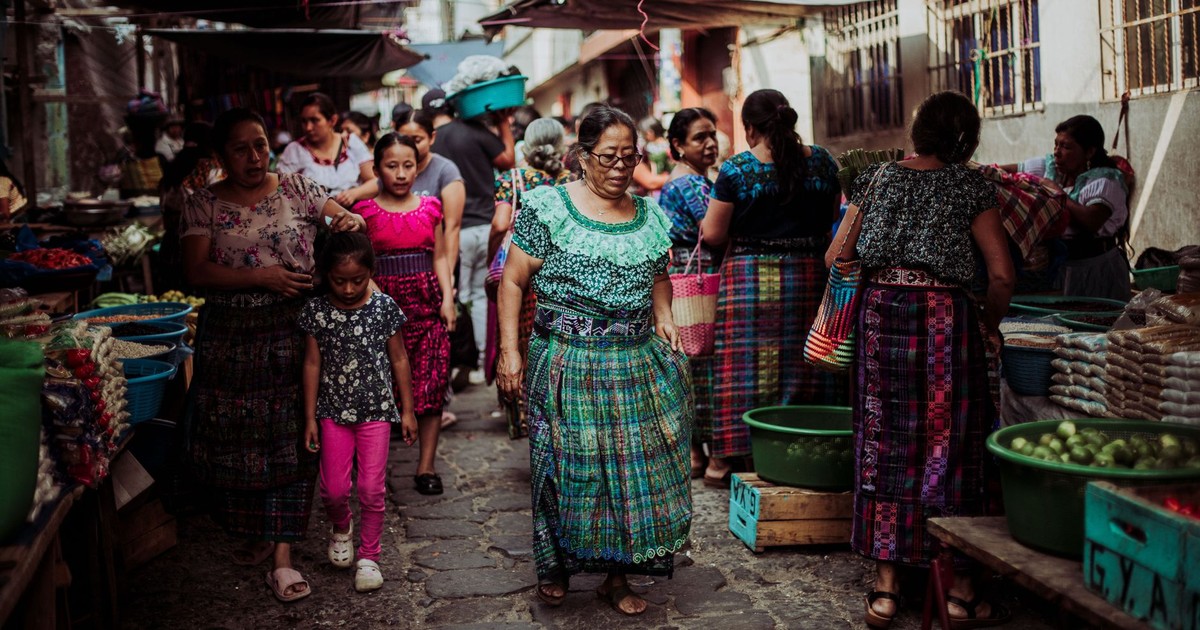
According to Living in Guatemala, a single retiree can maintain a comfortable standard of living for around $998 per month, making it one of the only countries where a full Social Security check covers an entire month’s living expenses with room to spare.
The city of Antigua is the primary draw for American expats: cobblestone streets, a walkable colonial center, reliable internet, and a functioning expat community with established medical and support infrastructure. Rent for a one-bedroom apartment in Antigua typically falls between $400 and $600 per month. Local markets keep food costs minimal, and private Spanish lessons – a practical investment for anyone planning a longer stay – cost $5 – $10 per hour.
Guatemala offers a pensionado residency category that requires proof of a monthly pension or retirement income above $1,000. The cost-of-living floor here is lower than almost anywhere else in Latin America, and that gap makes Guatemala worth serious consideration for retirees whose Social Security income is their primary source of funds.
4. Chiang Mai, Thailand

Chiang Mai has been a fixture on expat relocation lists for over a decade, and its staying power comes from a combination that few cities match: low costs, excellent private healthcare, a large established English-speaking expat community, and year-round warmth. A single retiree in Chiang Mai can live on $1,200 per month, including a $300 studio apartment and meals on Thai food for around $10 a day.
Thailand’s private hospitals in Chiang Mai – including Bangkok Hospital Chiang Mai and Chiang Mai Ram – operate at internationally accredited standards and are accessible at costs far below U.S. equivalents. A standard doctor’s visit in Thailand runs $50 – $80, and complex procedures are proportionally cheaper. Medical tourism to Thailand is not a fringe phenomenon – Americans travel specifically to access quality care at these prices.
Thailand’s retirement visa (the Non-Immigrant O-A) requires applicants to be 50 or older and show either 800,000 Thai baht (roughly $22,000) in a Thai bank account or monthly income of at least 65,000 baht (around $1,800). It’s renewable annually, and many retirees have lived in Chiang Mai for years on this structure. The city’s infrastructure for expat life – English-language services, international supermarkets, expat-specific communities with decades of institutional knowledge – makes the practical transition significantly smoother than many newcomers expect.
5. Mexico (San Miguel de Allende and Lake Chapala)
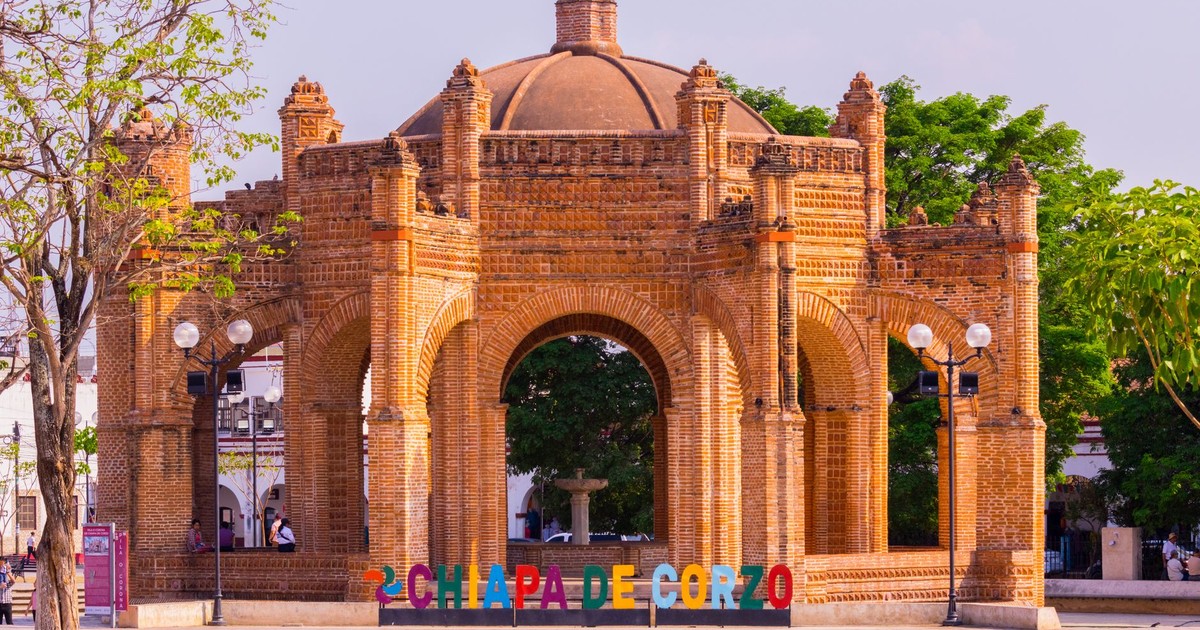
Mexico remains the most geographically convenient option for most Americans, and in the right cities it still delivers on affordability. San Miguel de Allende averages $600 to $1,000 per month for apartment rentals, and Lake Chapala, just three hours from Guadalajara, offers low rents and one of the most established expat networks in the country.
Both cities have large, active communities of American retirees with well-established support ecosystems: English-language medical services, expat social clubs, and long-running American expat publications. The cost of groceries and dining is substantially lower than in the U.S., and private healthcare costs follow the same pattern seen across Latin America.
By 2025, Mexico raised its income requirements for temporary residency to $4,200 per month and $7,000 for permanent residency, which puts formal legal residency out of reach for many retirees relying solely on Social Security. Americans can enter visa-free for up to 180 days per year, and some retirees manage a semi-annual structure across two locations. For those who qualify on income, Mexico’s temporary resident visa requires at least $2,000 per month in documented income under a separate remote worker pathway. Anyone considering Mexico should confirm current income thresholds directly with a Mexican consulate, as requirements have shifted and may continue to.
6. Costa Rica

Costa Rica’s universal healthcare system was ranked above the U.S. by the WHO, and the country operates no military, redirecting that budget into education and environment. Those two facts have anchored its reputation among American retirees for decades, and the underlying economics still hold.
The Pensionado program requires a minimum monthly income of $1,000. Monthly living costs for a single retiree in cities like Escazú or the Central Valley run roughly $1,500 – $2,000, covering rent, food, private health insurance, and transportation. Costa Rica does not tax Social Security income, which means retirees keep their full monthly benefit.
Costa Rica’s location also makes it practical for Americans who want to maintain ties to family in the U.S. Direct flights from San José to major U.S. hubs run between three and five hours, and the country’s timezone alignment with U.S. Eastern and Central time makes remote work or family coordination straightforward. Costa Rica’s well-developed expat infrastructure – from English-speaking attorneys to established banking options – reduces the logistical friction of a permanent move considerably.
Read More: 5 Countries Where You Can Retire by the Beach for Less Than $1,500 a Month
What to Do Before You Book a Flight
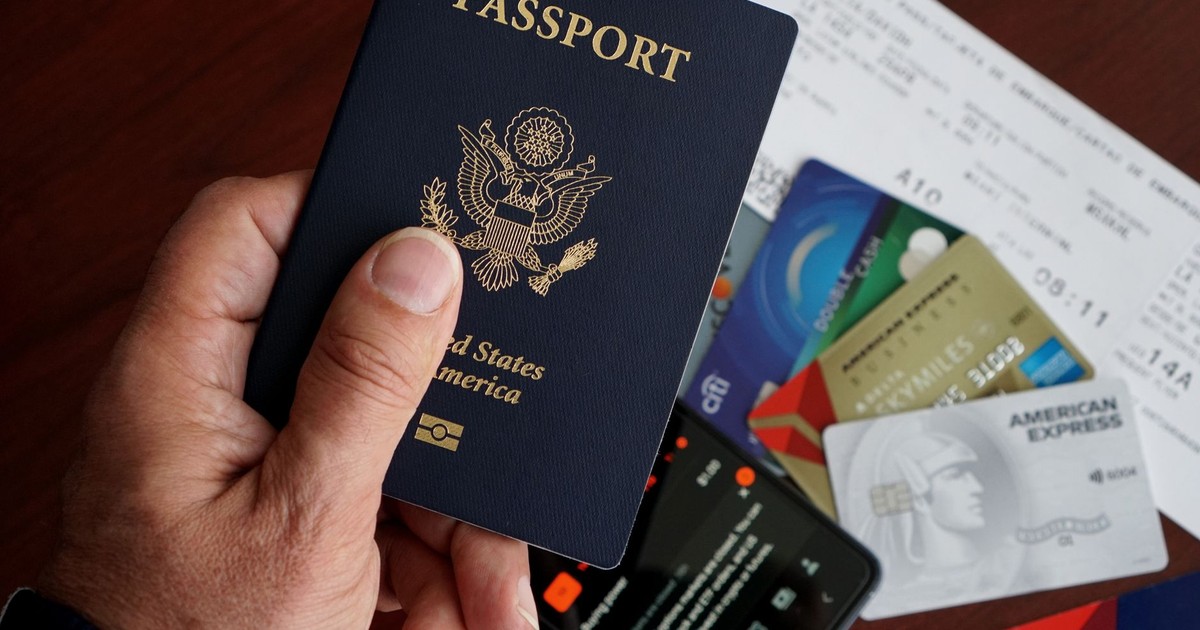
The math on relocating abroad is compelling – but the preparation matters as much as the destination. In 2026, approximately 5.5 million Americans are living abroad, and the range of available visa programs, tax treaties, and residency pathways has never been broader. Americans can choose from digital nomad visas for remote workers, passive income visas for retirees, and investment or Golden Visas for those with larger budgets. Knowing which category you fall into before researching a specific country saves significant time.
The United States is one of the few countries that taxes citizens on worldwide income regardless of where they live, which means filing a U.S. tax return is still required every year even after relocating. The IRS does offer tools to prevent double taxation, including the Foreign Earned Income Exclusion, but anyone planning a move should work with a tax professional experienced in expat filing before committing to a specific country. One of the most consequential financial variables – the destination’s tax treatment of Social Security income – is one most people don’t check until after they’ve already moved. Panama, Portugal, Costa Rica, and Greece do not tax it.
The cost of the physical move itself ranges from about $11,500 to $22,900 for a single person, depending on the country and lifestyle chosen. Budget for the logistics, start the visa application early, and – if the destination allows it – spend at least two to four weeks on a trial stay before signing a lease. The cheap places to relocate that actually work long-term are the ones where the numbers hold up not just on paper, but in the specific neighborhood, at the specific market, with the specific healthcare facility you’d actually use.
Disclaimer: This information is not intended to be a substitute for professional financial advice, investment advice, tax advice, or legal advice, and is provided for informational purposes only. Always seek the guidance of a qualified financial advisor, accountant, or other licensed professional regarding your personal financial situation or investment decisions. Do not make financial, investment, or tax decisions based solely on information presented here. Past performance is not indicative of future results, and all investments carry risk, including the potential loss of principal.
AI Disclaimer: This article was created with the assistance of AI tools and reviewed by a human editor.