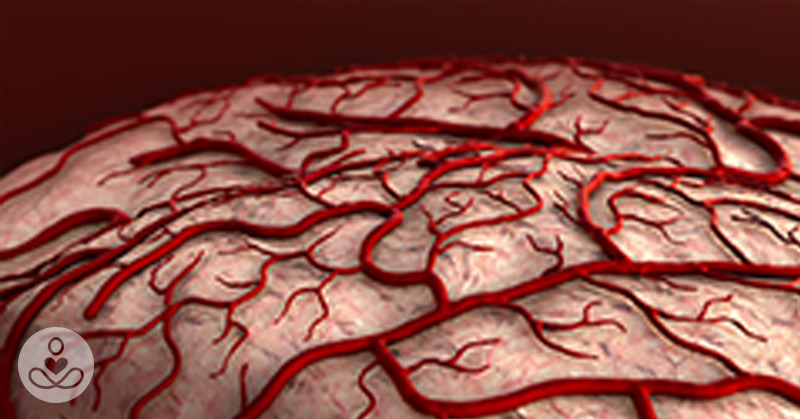
The Alzheimers Society has recognized a recent study by the University of California. Their finding suggested that an early onset indicator of dementia is leaky blood vessels in the brain. This new finding could lead to earlier diagnosis and treatment to reverse or delay this neurological disease. Eye-opening results presented themselves to a team of...
Congestive heart failure is a condition where the heart is unable to pump blood efficiently, leading to a buildup of fluids in the body’s tissues. Recognizing the early signs can lead to timely medical intervention, potentially improving outcomes. Here are 13 early signs to watch for: 1. Shortness of Breath One of the most common...
Are you a pessimist by nature? A “glass half empty” type of person? Recent research suggests that your tendency toward negative thinking might affect your mood and have long-term implications for your brain health. A new study has found that repetitive negative thinking in later life is linked to cognitive decline and an increase in...
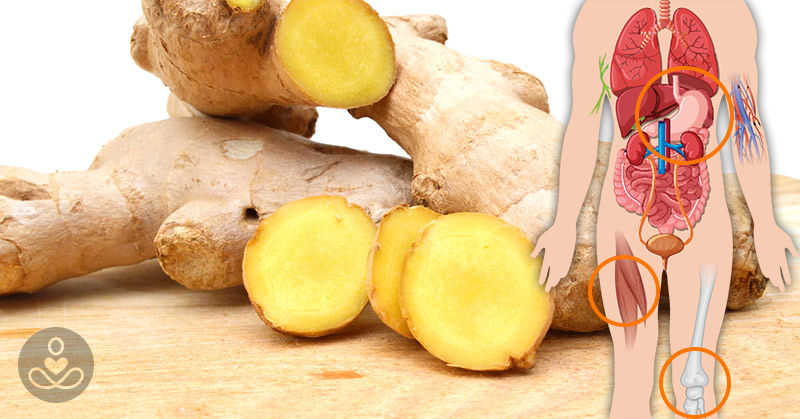
Ginger, a widely used spice, has entered kitchens and medicine cabinets worldwide. Surprisingly, ginger is not grown in the wild, and its origins remain a mystery. For over 5000 years, both Indian and Chinese cultures have utilized ginger as a tonic root to address a variety of health issues. Today, ginger is cultivated in the...
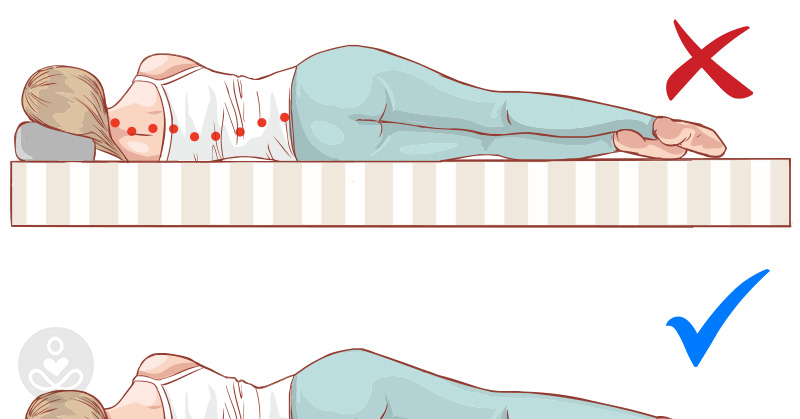
As we age, our priorities and lifestyles inevitably shift, particularly as we enter our 50s. This decade marks a significant transition, demanding greater attention to health, well-being, and personal growth. While it’s essential to embrace the wisdom and experiences we’ve accumulated, it’s equally important to recognize habits and behaviors that no longer serve us. By...
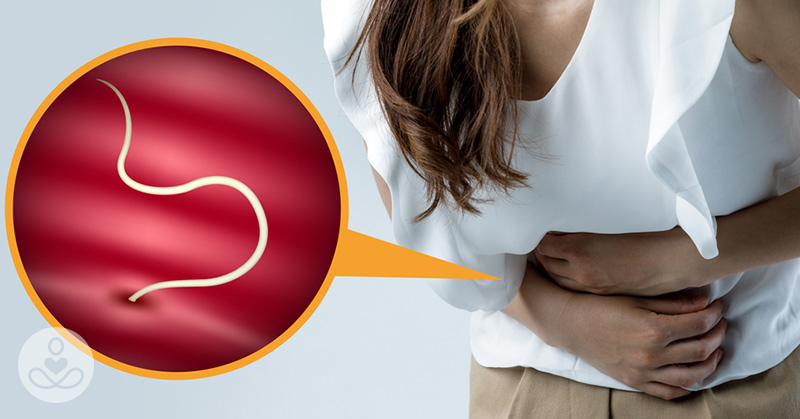
After indulging in a festive holiday season filled with delicious treats and hearty meals, it’s not uncommon to experience some digestive discomfort. You know the drill: Bloating, gas, constipation or diarrhea, and perhaps even some weight gain. After all, you just came through a season of heavy meals, extra sweets and desserts, and likely more...
If you’ve ever had a nagging cold, relentless migraines, or acne that just won’t go away, chances are you’ve tried every drug, cream, and medicine on the market. Unfortunately, many of these drugs have both known and unknown side effects, such as a damaged stomach lining or making you drowsy, that affect our future health and...
Experts say people can use about 11,000 menstrual products over the course of their reproductive years. That includes sanitary pads, panty liners, tampons, and so on. Tampons are popular because they feel “free” and “cleaner” since they don’t require as much interaction with menstrual blood as pads do. However, research indicates that conventional tampons may...
Most people know what is considered healthy food and what is considered unhealthy food. That won’t stop them from indulging from time to time—and that’s not always a bad thing. Many gastro doctors and dieticians don’t recommend completely avoiding certain dishes because that could increase the craving until the person overeats, sometimes falling into a...
Leukemia is a term that refers to various cancers that originate in our blood cells. It affects people across all age groups but is most prevalent in adults over 55 years of age and children under the age of 15. Overall, leukemia is treatable, although certain types of leukemia respond better to treatment than others....
A new study by the European Society of Cardiology reveals that certain traits significantly heighten the risk of early heart attacks. By understanding and managing these traits, individuals can take proactive steps toward better heart health. The Impact of Metabolic Syndrome The study followed 34,269 adults in their 40s and 50s and found that those...
Millions of people voluntarily avoid gluten, a protein found in wheat-based foods like bread, cereal and pasta. Those with a wheat allergy, celiac disease (about 1% of the population) and certain other autoimmune conditions get very sick if they eat it. However, an extra 12% of people report digestive symptoms after eating gluten-containing foods… despite not having a wheat allergy or celiac disease....