

Before electric lighting reshaped human civilization, people in pre-industrial Europe and America routinely woke in the middle of the night, stayed awake for an hour or two, then fell back to sleep until dawn. According to historian A. Roger Ekirch of Virginia Tech, sleep in pre-industrial Western civilizations happened in two shifts – “first sleep” and “second sleep” – with the interlude used for prayer, conversation, and reflection. The habit survived for centuries, then almost entirely vanished within a few generations.
Modern sleep science is now circling back to what pre-industrial households practiced as simple common sense. Researchers studying hunter-gatherer populations, reviewing historical records, and running controlled trials keep arriving at the same conclusion: many of the bedtime habits sleep that our grandparents treated as ordinary routine turn out to be biologically well-calibrated. Which specific habits hold up under scientific scrutiny, and how to bring them back into a life built around phones, artificial light, and 24-hour schedules, is exactly what the current evidence maps out.
A scientific statement published in Circulation by the American Heart Association found that disruptions to circadian rhythms due to irregular sleep-wake cycles are an independent risk factor for cardiovascular disease. The connection traces clearly to the body’s natural 24-hour internal clock, which regulates not just sleep but hormone release, body temperature, and a wide range of biological processes. Six of the most firmly validated bedtime habits sleep researchers recommend today map almost exactly onto what previous generations did without thinking twice.
1. Keep the Same Wake Time Every Single Day
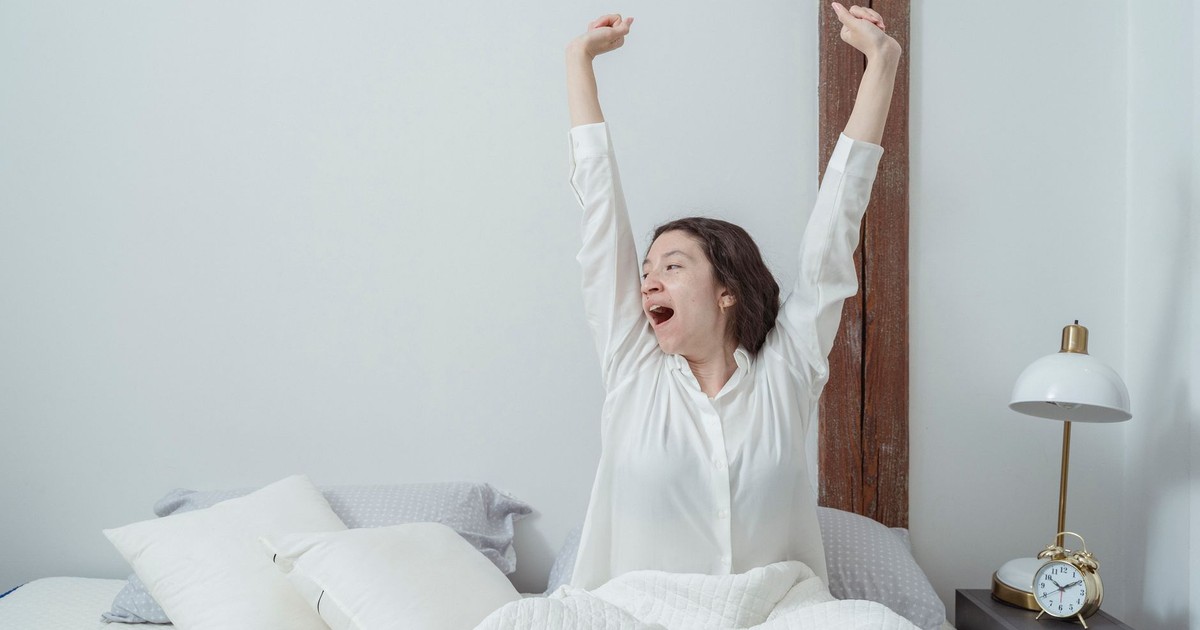
Grandparents didn’t use sleep tracking apps, but they kept remarkably consistent schedules, largely because pre-industrial life demanded it. Sunrise determined the workday. That regularity was doing something biologically important.
The body’s circadian rhythm acts as a 24-hour internal clock governing sleep, wakefulness, and hormone release – and when bedtime and wake time shift around, that internal clock loses its reference points. The damage from inconsistency compounds quickly. According to a 2024 study in the Journal of the American Heart Association, participants with higher interdaily stability – meaning regular sleep-wake and rest-activity patterns – had 52% lower odds of prevalent cardiovascular disease compared to those with the most fragmented schedules.
Consistent wake time is the anchor. Research covered by the American Heart Association’s October 2025 circadian health statement notes that Harvard-affiliated sleep physicians identify sleep timing as a cardiovascular risk factor and recommend establishing a consistent daily wake-up time as a foundational step. Bedtime naturally follows once the wake anchor is set. Sleeping in on weekends, even by 90 minutes, disrupts this anchor and creates what researchers call “social jetlag” – the circadian equivalent of flying two time zones every Friday night.
Circadian rhythms regulate essential cardiovascular functions including blood pressure, heart rate, vascular tone, and metabolic homeostasis. Keeping the same wake time seven days a week is the single most direct way to keep those systems synchronized. Set an alarm for the same time on Saturday as on Tuesday – then get out of bed.
2. Get Outside Within an Hour of Waking
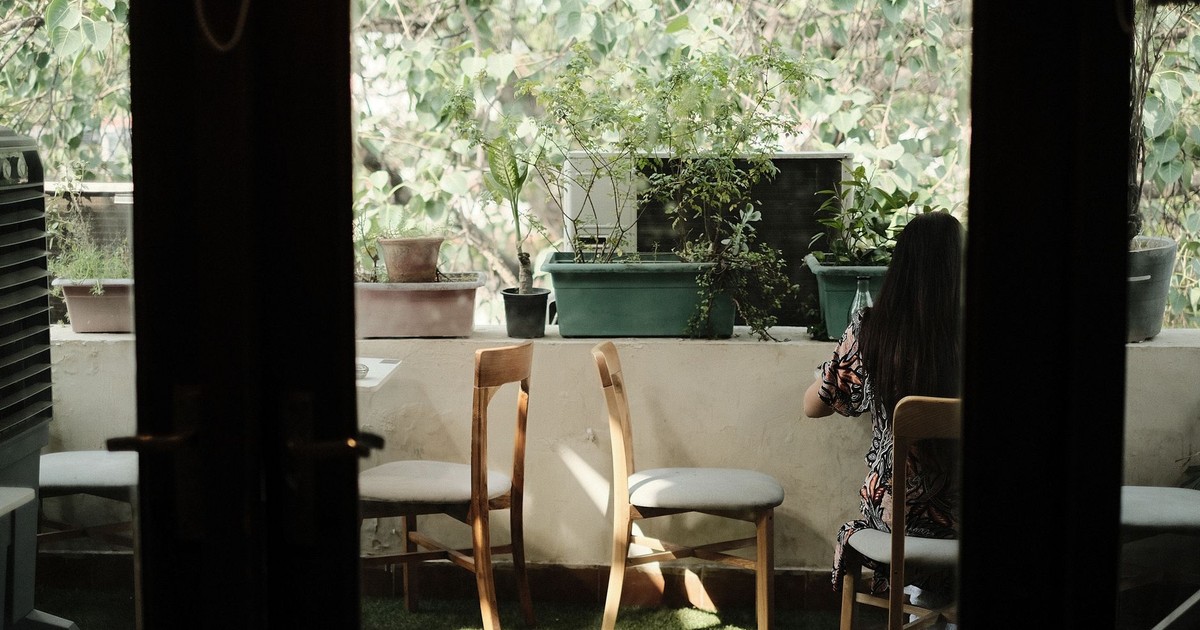
Before the invention of window glass, people woke up and immediately stepped into natural light. That wasn’t a wellness choice. It was just life. And their bodies were receiving one of the most powerful biological signals available.
Morning sunlight, preferably in the first 30 to 60 minutes after waking, increases alertness, boosts mood, and improves sleep quality. The mechanism runs through the same circadian clock that governs sleep timing: light hitting the retina in the morning tells the brain’s master clock to set its 24-hour timer. Get bright light early and the clock runs on schedule. Stay indoors under dim artificial lighting and it drifts.
Morning light causes a phase advance – getting sleepy earlier in the evening and waking up earlier in the morning. A 2025 study published in a peer-reviewed journal found that every 30-minute increment of morning sun exposure was associated with a 23-minute earlier midpoint of sleep – meaning people fell asleep and woke up earlier, with no other changes to their routine. Evening light had a smaller but measurable effect in the same direction.
On overcast days, the benefit still applies – outdoor light on a cloudy morning delivers 10 to 20 times more lux (a measure of light intensity) than a typical indoor environment. Ten minutes outside beats an hour near a window. If getting outside isn’t possible, a 10,000-lux light therapy lamp used within the first hour of waking achieves a comparable effect.
3. Cut Off Caffeine 8 Hours Before Bed

Generations of households ran on a simple rule: no coffee after mid-afternoon. No one needed a study to tell them that a late cup kept them awake. The rule was intuitive and, as it turns out, precisely calibrated.
The Sleep Foundation states that the generally recommended cut-off time for caffeine is a minimum of eight hours before bedtime. Caffeine works by blocking adenosine receptors – adenosine being the chemical that accumulates in the brain throughout the day and builds sleep pressure. Block those receptors at 4 p.m. with a coffee, and sleep pressure is still artificially suppressed at midnight. The body hasn’t been told it’s tired.
Sleep Foundation data shows that sleep issues including daytime sleepiness, fatigue, and insomnia affect caffeine drinkers more than non-drinkers across the board. That pattern suggests the afternoon coffee habit is less a minor indulgence and more a structural cause of disrupted sleep for many people who practice it.
Caffeine has a half-life of roughly five to six hours in most adults, meaning half of a 200mg afternoon cup is still active in your system at bedtime. Genetics affect this – some people metabolize caffeine more slowly – which is why some individuals are more sensitive than others. If sleep quality is a persistent problem, pulling caffeine forward to before noon is a reasonable first adjustment. Plain water, herbal tea, or a short walk can address afternoon energy dips without undermining the night ahead.
4. Keep the Bedroom Cool
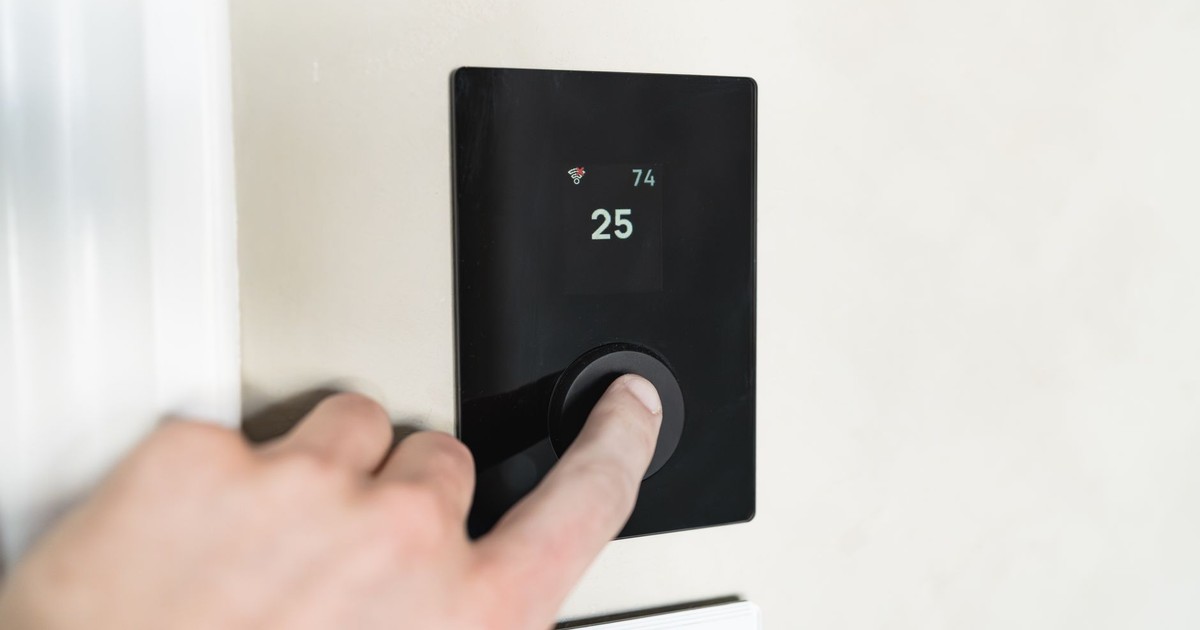
Grandparents slept in houses that weren’t centrally heated. Bedrooms in winter were cold by modern standards. Wool blankets helped, but the room itself was often brisk. Again, this turns out to have been biologically ideal.
The Sleep Foundation recommends a bedroom temperature between 65 and 68 degrees Fahrenheit for the most comfortable sleep, with most sleep researchers placing the optimal range between 60 and 67°F (15.5 to 19.4°C). A cool room speeds the drop in core body temperature required to initiate sleep, helping people fall asleep faster and reach deep sleep more efficiently.
Core body temperature needs to fall by approximately 1 to 2 degrees Fahrenheit to trigger sleep onset. A warm bedroom slows that drop, which is why people in overheated rooms spend more time lying awake. Hot nights don’t just delay sleep – they suppress the deeper, restorative sleep stages the body needs most. The connection between the two has been confirmed repeatedly in sleep lab settings.
A cool room is easy to achieve and costs nothing if you’re already in a cooler climate. Open a window, run a fan, or drop the thermostat before getting into bed. Cooling the extremities – feet and hands – helps accelerate the core temperature drop, which is why warm socks in a cool room can sometimes help people fall asleep faster, a finding replicated in multiple small sleep studies. The goal is a cool room and a warm body under the covers, not a warm room.
5. Dim the Lights After Sunset
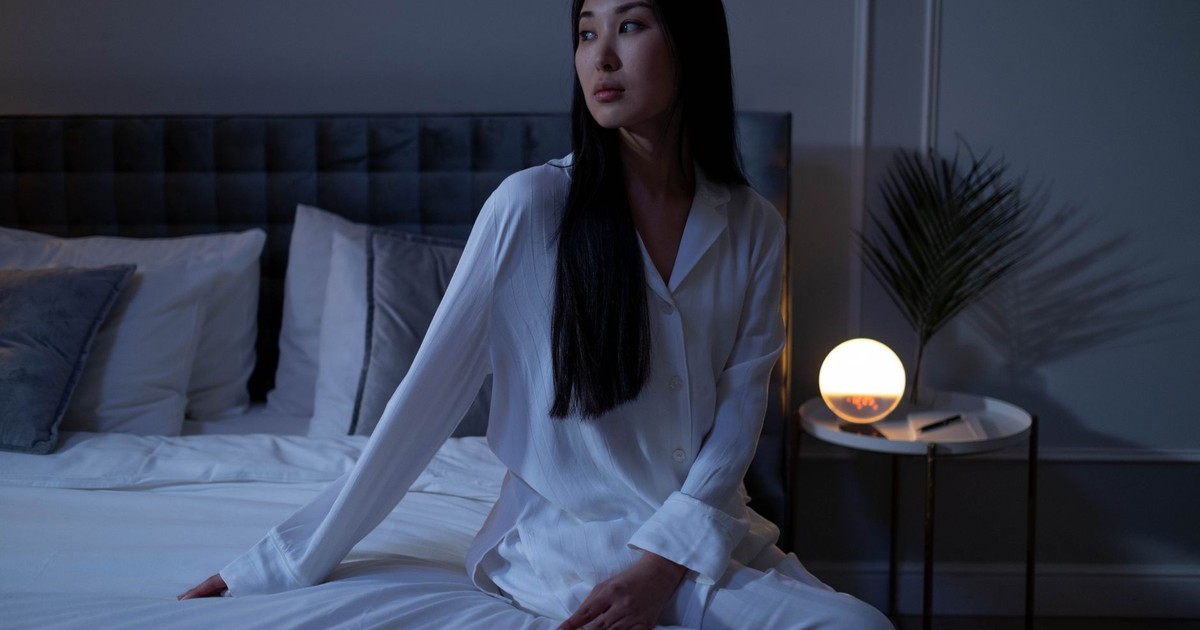
Pre-industrial households lit their evenings with candles and hearth fire – warm, dim, low-spectrum light that fades naturally toward darkness. Modern homes do the opposite: bright, blue-tinted overhead lighting stays on until minutes before bed. That shift has measurable consequences.
A 2025 systematic review in Frontiers in Neurology found that evening exposure to blue light suppresses melatonin, delays circadian phase, and prolongs sleep onset latency. Melatonin is the hormone that signals to the body that darkness has arrived and sleep should begin. Suppress it with bright light at 9 p.m. and the sleep signal is blunted – the body doesn’t know night has arrived.
Screens are the most widely discussed culprit, but overhead LED lighting is at least as problematic. The short-wavelength (blue) light emitted by most modern bulbs is precisely the type the retina uses to detect daylight and suppress melatonin. Switching to dim, warm-toned lamps in the evening – the equivalent of candlelight in spectral terms – allows melatonin to rise naturally in the hour or two before sleep. This is the modern version of what a pre-industrial household did automatically.
For people who can’t avoid screens in the evening, screen dimming software, amber-tinted glasses, or switching device displays to “night mode” reduces but does not eliminate blue light exposure. The more effective approach is treating the room, not just the device: dim the overheads, use warm-spectrum lamps, and limit bright light starting around two hours before your target bedtime. The body reads light as a clock signal. Give it the right signal and it responds accordingly.
6. Exercise in the Morning, Not Late at Night

For most of human history, physical activity was concentrated in daylight hours. Farming, building, and foraging happened before dusk. Evening rest followed naturally. The timing wasn’t chosen for its effect on sleep – but it reinforced it.
Research from the Sleep Foundation shows that aerobic exercise in the morning or afternoon stimulates earlier melatonin release and shifts the circadian rhythm forward, making it easier to fall asleep at a consistent hour. Morning exercise has an added physiological benefit: it exposes the body to bright outdoor light, stacking two circadian signals at once.
Late-night exercise has the opposite effect for many people. Vigorous activity raises core body temperature, elevates cortisol, and increases heart rate – all of which are incompatible with the physiological state needed for sleep onset. The research on this isn’t absolute – some individuals tolerate evening workouts without sleep disruption – but for those who struggle to fall asleep, moving workouts earlier in the day is one of the simplest adjustments available.
Research suggests exercise ending at least four hours before sleep has minimal negative impact on sleep quality. For someone targeting a 10 p.m. bedtime, that means wrapping up any vigorous exercise by 6 p.m. Morning sessions between 6 and 9 a.m. provide the strongest circadian benefit, combining light exposure, cortisol reduction, and earlier melatonin onset into a single habit.
Read More: Common Sleep Mistake May Be Quietly Affecting Your Heart and Brain
What This Means for You
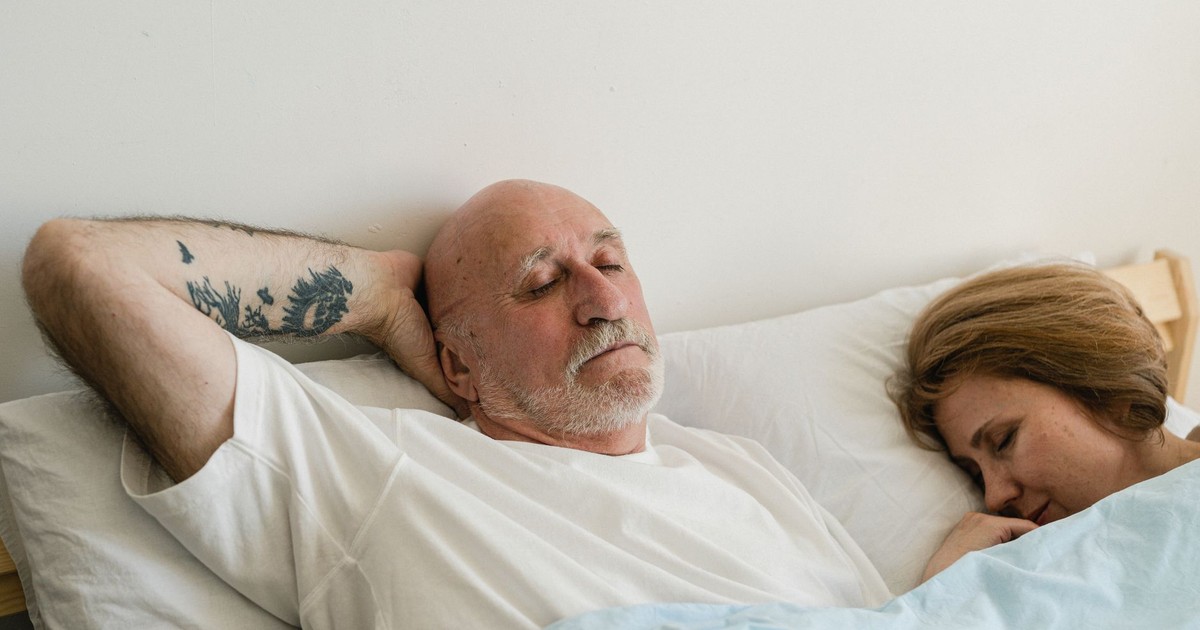
Ekirch’s historical research reaffirmed that the predominant sleep pattern in pre-industrial Western societies was segmented – but the broader takeaway from that record isn’t about sleeping in two halves. The conditions humans slept in for thousands of years before the Industrial Revolution – cool rooms, consistent schedules, morning light, dim evenings, and physical activity by day – were all working with the biology of sleep rather than against it. Those habits weren’t the product of wisdom. They were circumstance. Understanding why they worked is what makes it possible to apply them deliberately.
NHLBI research identifies poor sleep as a direct risk factor for serious conditions including heart disease, high blood pressure, diabetes, and stroke. These aren’t abstract long-term risks. They accumulate incrementally across years of disrupted nights. Every one of the six habits described here can be implemented tonight, without equipment, significant schedule changes, or unusual effort: wake at the same time each morning, step outside early, stop caffeine by early afternoon, cool the bedroom, dim the lights after dinner, and move the body during daylight hours. That’s the full list. The research explains why it works.
Disclaimer: This information is not intended to be a substitute for professional medical advice, diagnosis, or treatment and is for information only. Always seek the advice of your physician or another qualified health provider with any questions about your medical condition and/or current medication. Do not disregard professional medical advice or delay seeking advice or treatment because of something you have read here.
AI Disclaimer: This article was created with the assistance of AI tools and reviewed by a human editor.