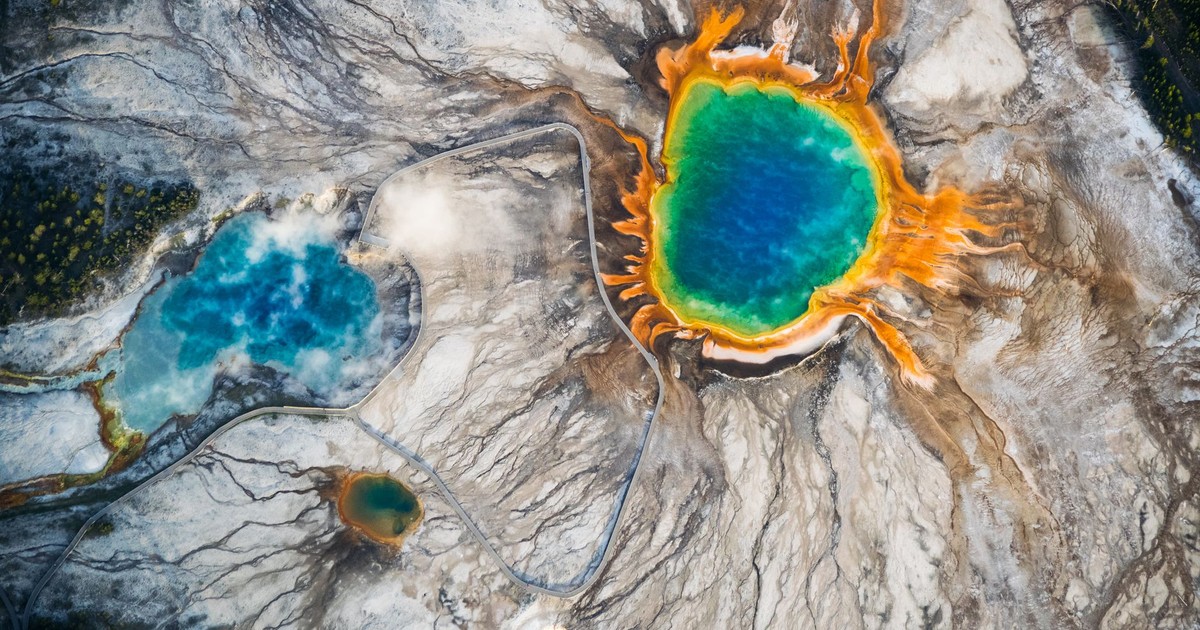

The ground beneath Yellowstone National Park rose across a zone nearly 19 miles wide during a period of uplift that began in July 2025. By mid-January 2026, that inflation had abruptly stopped. Headlines called it a bulge “the size of Chicago.” Social media lit up with apocalypse predictions. Geologists, meanwhile, filed it under routine.
Every earthquake swarm, every geyser eruption, every report of ground movement gets filtered through a framework of doom that the actual data doesn’t support. The Yellowstone volcano misconceptions aren’t fringe – they show up in news articles, on TV documentaries, and in the questions park rangers get asked by millions of annual visitors. Five specific claims keep resurfacing, each convincing enough to sound credible and wrong enough to matter.
Some of them are harmless misunderstandings. Others actively distort how people think about real geological risks. The science behind each one is clear and documented – and it consistently points in the opposite direction from the panic.
1. Yellowstone is overdue for a catastrophic supereruption
This is the most widespread Yellowstone myth, and the math behind it doesn’t hold up. The logic goes like this: Yellowstone has had three supereruptions, they happened at roughly regular intervals, and the last one was 640,000 years ago, which means the next one is overdue. The three eruptions occurred 2.1 million, 1.3 million, and 0.64 million years ago. The intervals between them are 0.8 and 0.66 million years, averaging roughly 730,000 years. The conclusion people draw from that math falls apart immediately.
The last eruption was 0.64 million years ago, which means we are still about 90,000 years away from the point where it would even make sense to call Yellowstone overdue. And that assumes the average tells you something useful – which it doesn’t. The intervals between those three supereruptions were 800,000 years and then 660,000 years: not regular at all. Averaging irregular intervals and treating the result as a schedule is like flipping a coin three times, getting heads twice, and concluding the next flip is overdue for tails.
The U.S. Geological Survey is direct on this point: being “due” for an eruption is never really true. Michael Poland, research geophysicist and Scientist-in-Charge of the Yellowstone Volcano Observatory, has explained that volcanoes don’t work on schedules. A volcano’s past eruption history doesn’t create a geological obligation for the next one. There’s no clock ticking underneath Wyoming, and treating three data points as a predictive timetable is not how volcanology works.
2. Any eruption would be a civilization-ending explosion
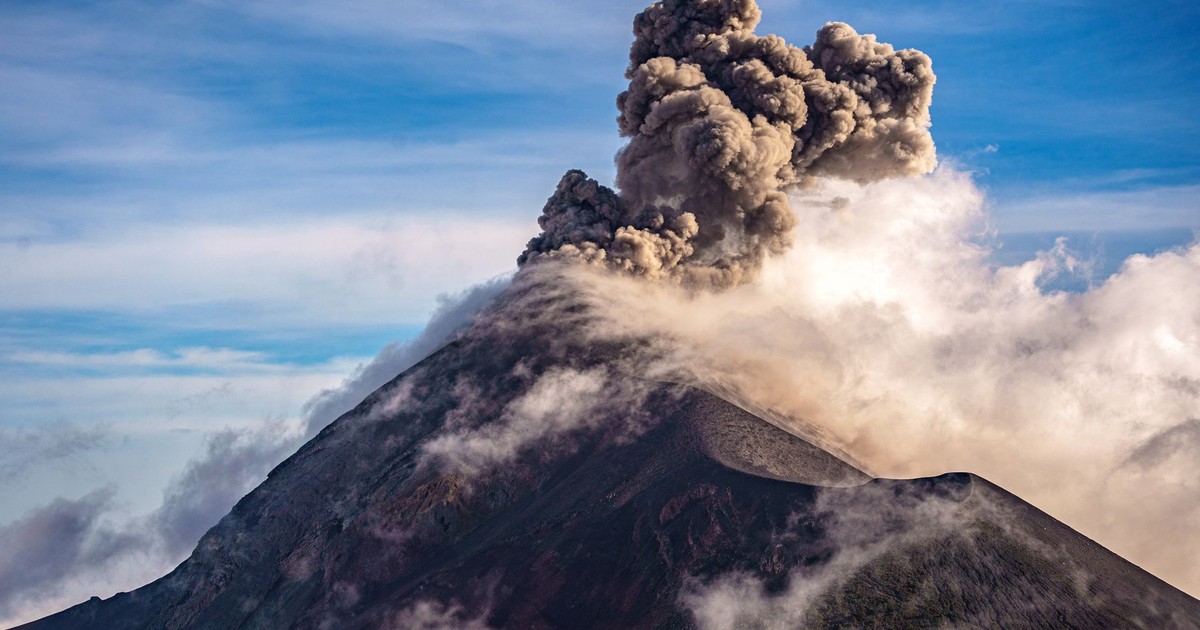
The word “supervolcano” carries enormous psychological weight, and popular culture has made it heavier. Movies, documentaries, and disaster novels have cemented an image of Yellowstone erupting as a continent-scale catastrophe. That image treats the worst-case scenario as the most likely scenario – and those are very different things.
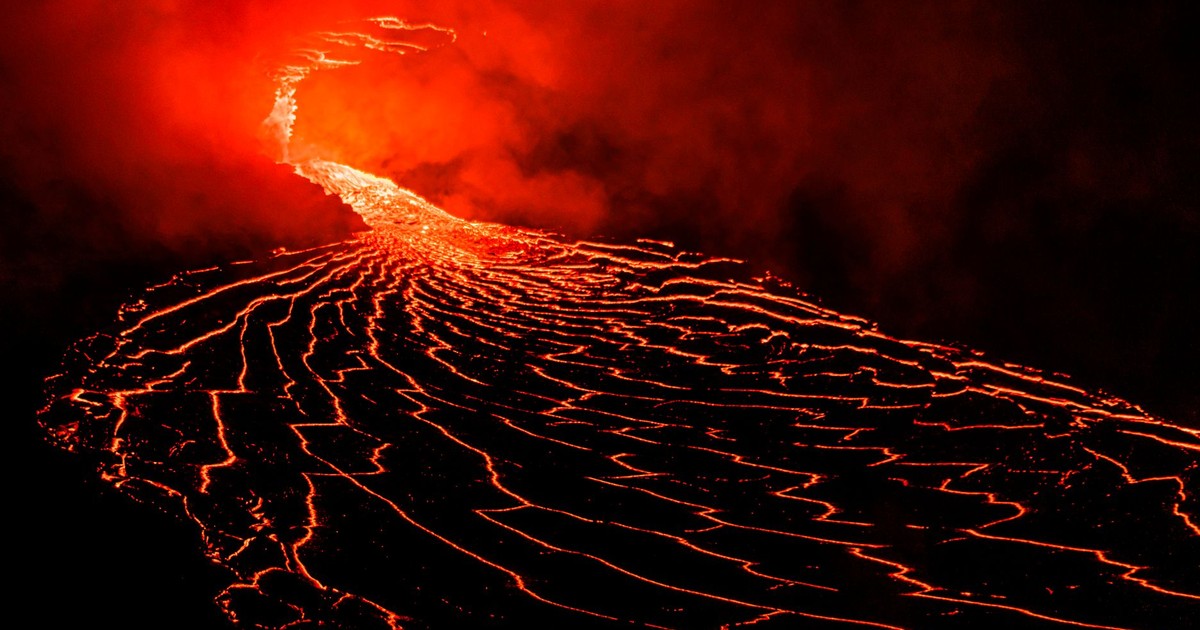
According to the USGS Yellowstone FAQ, most past eruptions at Yellowstone were not highly explosive. Of the roughly 50 or so eruptions in the geological record, almost all were simple lava flows. Lava flows are slow-moving, comparatively manageable events. They reshape the land but don’t send ash across continents. The last lava flows occurred about 70,000 years ago – and that’s the most recent volcanic activity of any kind at Yellowstone.
Even the prior supereruptions, as destructive as they were, did not cause mass extinctions. If Yellowstone were to have any volcanic event in the near future, the overwhelming probability is that it would look nothing like the Hollywood version. The USGS is direct: the most likely outcome would be a comparatively quiet lava flow with minimal effect outside the park boundary. The catastrophic supereruption scenario is not impossible – just deeply improbable- and presenting it as the default outcome badly misleads the public about genuine hazards.
3. The magma chamber is a giant pool of molten rock ready to blow
The image most people carry of Yellowstone’s underground system is a massive, pressurized lake of liquid magma sitting just below the surface, straining to erupt. Geophysical research shows something considerably less dramatic.
A 2025 study published in Nature, led by scientists from the University of New Mexico, the University of Utah, Rice University, and the University of Texas at Dallas, produced the clearest seismic images ever recorded of the Yellowstone magma chamber. Using hundreds of portable seismometers and a mechanical vibration source, researchers found the top of the chamber sits 3.8 kilometers below the surface and is sharply defined from the rock above it. Earlier University of Utah imaging work confirmed that the upper magma chamber averages about 9% molten rock, consistent with estimates ranging from 5% to 15% melt.
Michael Poland, speaking about the Yellowstone magma system, has described it as being like “mush” – not a 100% molten ball, but containing a lot of solid material, and in Yellowstone’s case, way more solid than liquid. The system is best described as a crystal mush: a large, semi-rigid region composed mostly of crystals with melt distributed within a crystalline framework, rather than a tank of liquid rock waiting to be uncorked. For context, USGS research on Yellowstone magma notes that magma typically needs greater than 50% melt to erupt – a threshold Yellowstone’s system falls far short of.
4. Yellowstone’s earthquakes signal an imminent eruption
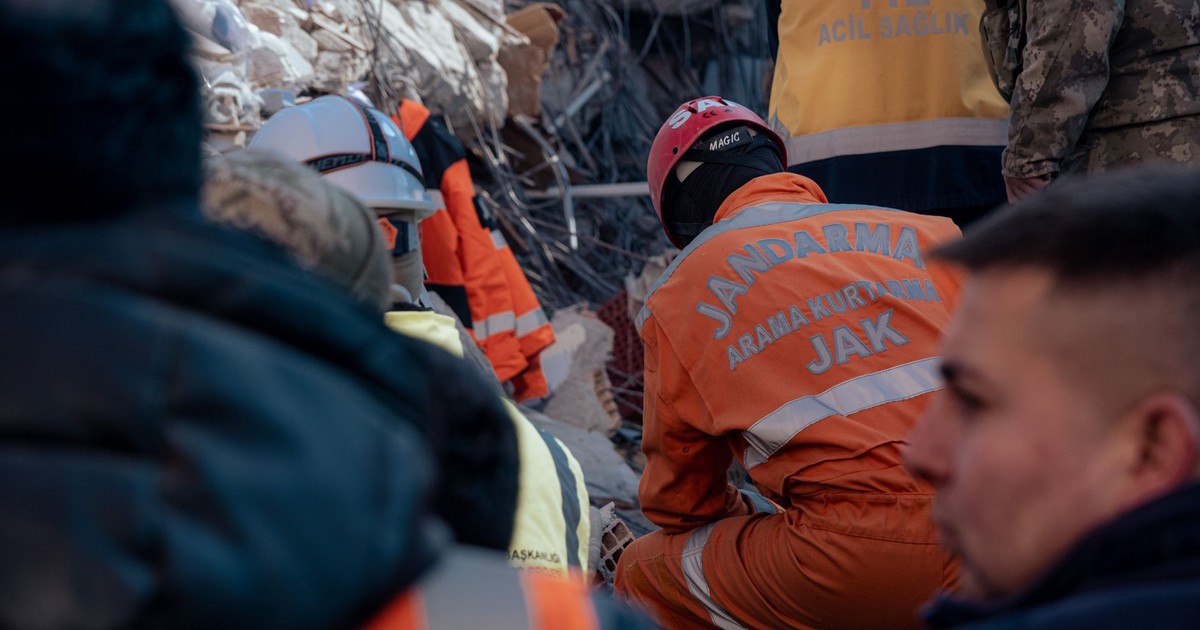
Earthquake swarm at Yellowstone. Panic. This cycle runs like clockwork on social media every few years. A cluster of small quakes appears in the region, someone posts that Yellowstone is “waking up,” and the story spreads faster than any geological process ever could.
The USGS reports that between 1,000 and 3,000 small earthquakes are located in the Yellowstone region every year. That’s not unusual activity – it’s the baseline. In 2025, there were 1,136 located earthquakes in the Yellowstone region, which is on the low end of average. The park is seismically active. It always has been.
What causes those earthquakes matters too. According to the USGS Volcano Hazards Program, almost all earthquakes in Yellowstone are volcano-tectonic events – brittle-failure events that occur when rocks break due to intense crustal stress, not because magma is moving. The seismic signature that would actually suggest magma movement – called long-period or low-frequency events – is caused by cracks resonating as magma and gases move toward the surface. Geologists monitoring Yellowstone have not identified that pattern as an ongoing concern. Routine earthquakes are the geological equivalent of a creaking house in cold weather: they tell you the structure is active, not that it’s collapsing.
5. Rising ground means an eruption is building
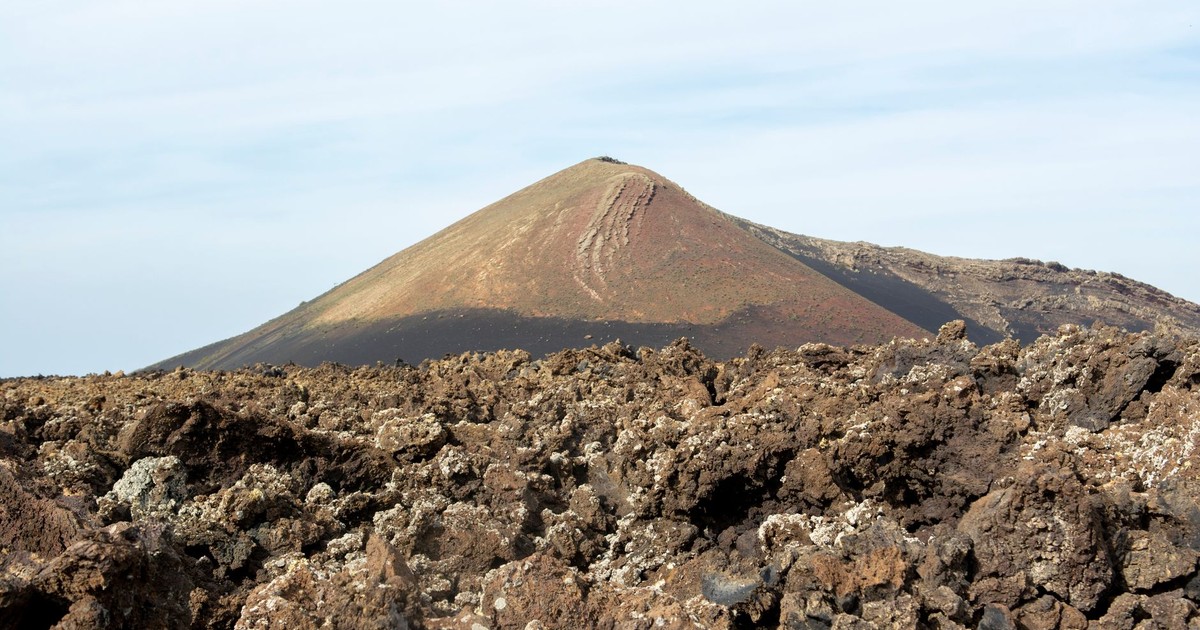
Ground uplift at Yellowstone generates some of the most alarming headlines. When the ground rises measurably, the instinct is to assume something is pushing up from below with increasing force. The reality is considerably less dramatic.
The ground does rise and fall at Yellowstone, but typically at rates of a few centimeters – 1 to 2 inches – per year. These periodic cycles of uplift and subsidence have been documented since regular monitoring began in the 1970s. They’re normal. The ground around the caldera moves because hydrothermal fluids – hot water and steam circulating underground – shift and change pressure, and because magma-related heat causes the crust to flex. Neither process requires an eruption to be imminent or even likely.
The July 2025 uplift episode on Yellowstone’s north caldera rim is a recent example. It was real, measured, and reported widely. The inflation stopped abruptly in January 2026, as these cycles typically do. As of April 2026, the Yellowstone Volcano Observatory reports that caldera activity is at background levels, carrying a normal alert level and a green aviation color code – the lowest possible classification on both scales. The USGS has stated that even if activity increased significantly, scientists estimate they’d have weeks to months of precursory warning before any eruption, given the density of monitoring instruments deployed at the site.
What’s actually worth worrying about
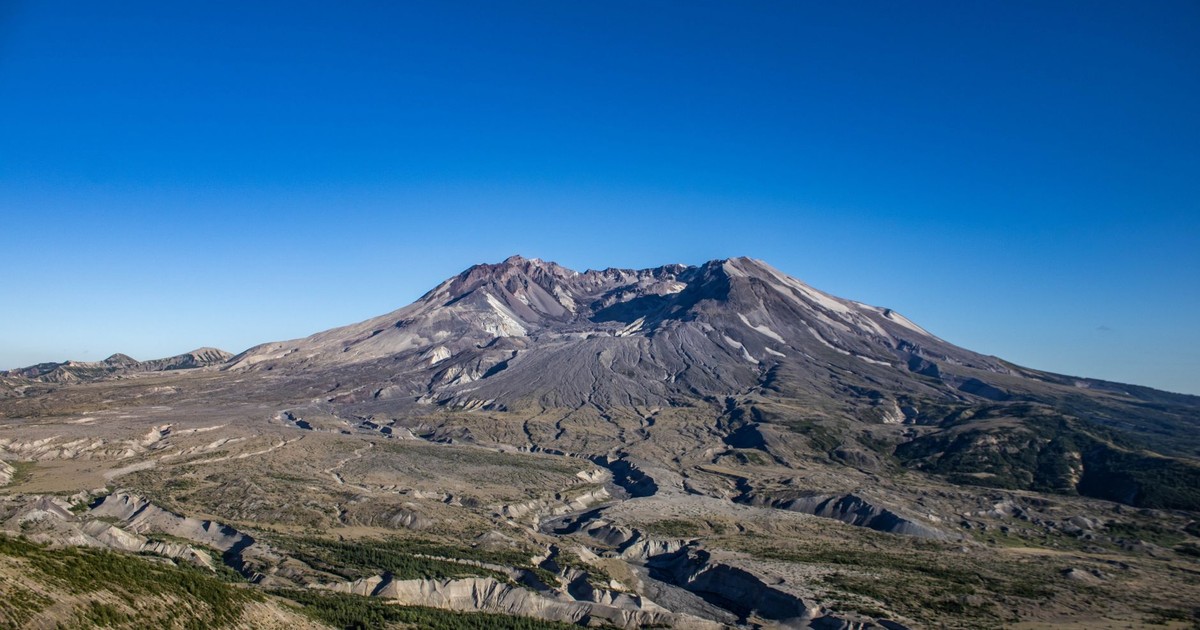
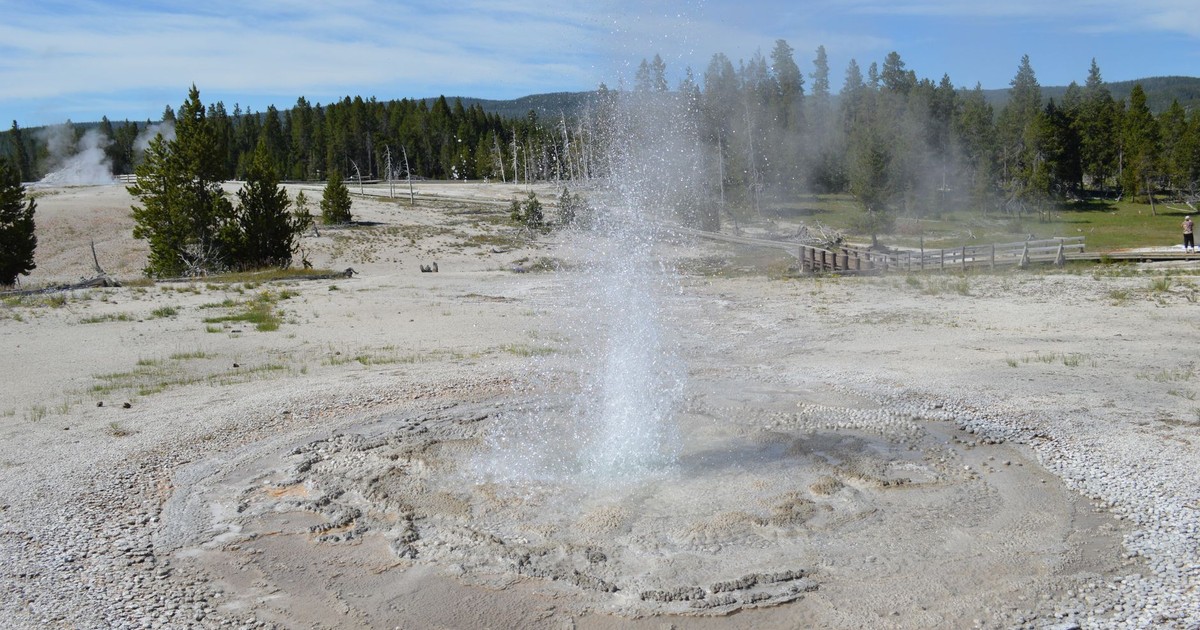
Hydrothermal explosions – sudden, steam-driven blasts that hurl rock fragments – are the most common geologic hazard to occur in Yellowstone National Park. These aren’t planetary events. According to the USGS, they’re localized blasts driven by superheated groundwater suddenly flashing to steam, and they can happen without warning. Smaller explosions forming craters up to a few meters across occur on average every year or two. A real-world example: a hydrothermal explosion at Biscuit Basin in July 2024 forced visitors to scramble for safety and was the first such event in the park to be clearly captured on video.
The USGS puts the annual probability of a volcanic eruption at Yellowstone at around 0.001%, and notes that even this figure is probably an overestimate for the short term. That’s roughly 1 in 730,000 in any given year – less than your odds of being struck by lightning. The supervolcano myth has a real cost: it drowns out the actual science, misrepresents the work of hundreds of researchers monitoring the park around the clock, and directs public anxiety toward the wrong things entirely. The boardwalks exist for a reason. Hot springs have killed and seriously burned real visitors. That’s a documented, present-day hazard. A civilization-ending supereruption is not.
Yellowstone is extraordinary for what it actually is: the most intensively monitored volcanic system on Earth, a living laboratory of geothermal science, and a park where the ground genuinely breathes. None of that requires catastrophizing to be interesting.
AI Disclaimer: This article was created with the assistance of AI tools and reviewed by a human editor.
Read More: Antarctica’s Gold-Spewing Volcano Is Real — And Scientists Still Don’t Know How It Works