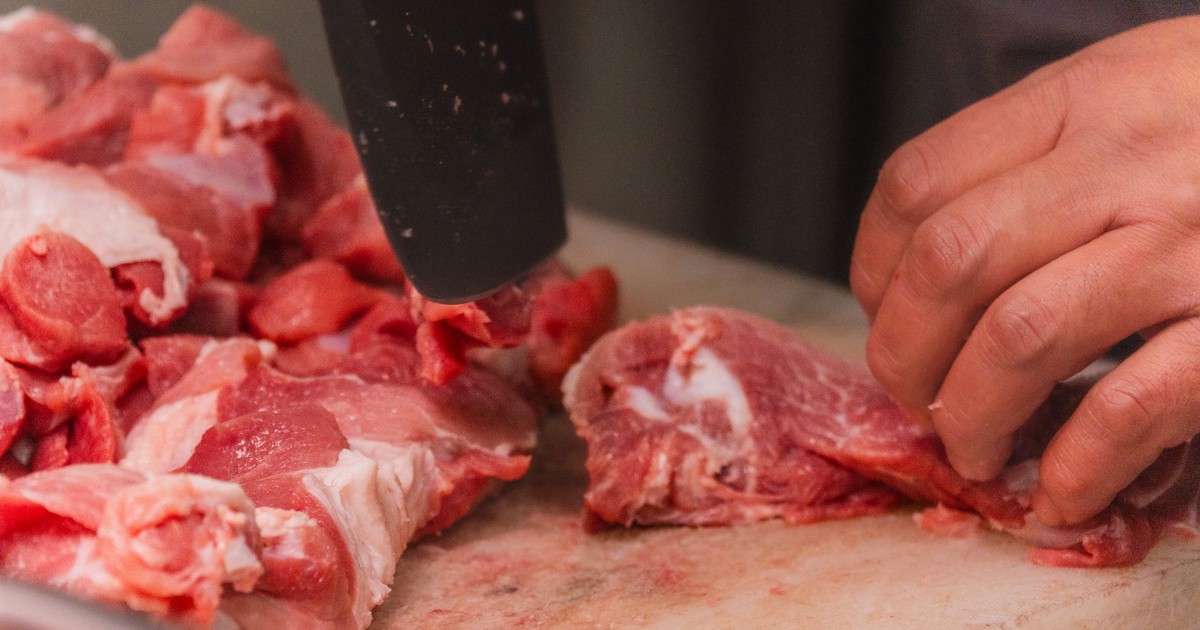

Kidney beans show up in hundreds of wholesome recipes – chilis, salads, grain bowls. Most people have no idea that eating just four or five of them raw is enough to land you in the emergency room. That’s a well-documented toxic reaction, and it can happen within an hour of eating.
Nearly every food on this list is perfectly nutritious once it’s been prepared correctly. The danger is specific to the raw form, and in several cases, the hazard is a natural compound the food produces to protect itself from insects and animals – not contamination from outside. No amount of washing will remove a compound that’s already part of the plant’s chemistry.
Foods to avoid raw span an odd range: a crunchy snack from a health food store, a common root vegetable, a breakfast staple. Raw can mean genuinely toxic, not just “less ideal,” and the consequences range from a miserable afternoon to a medical emergency. Here are nine foods that earn their place on this list – and exactly why.
1. Raw Red Kidney Beans
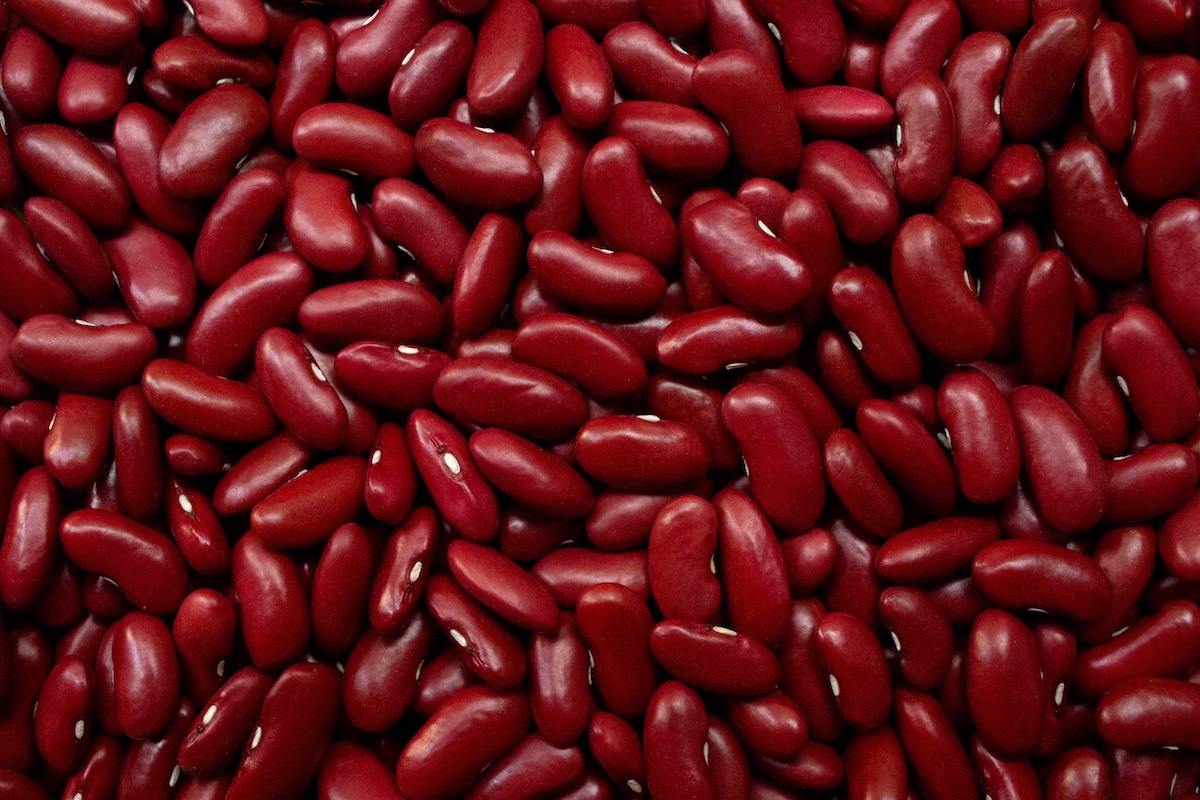
Red kidney beans contain high levels of the lectin phytohaemagglutinin (PHA), and ingesting them raw or insufficiently cooked can cause acute toxicity, with symptoms typically arising one to three hours after eating. Even eating just four or five raw or improperly cooked beans can trigger severe symptoms.
Proper cooking inactivates most of the lectin. Raw beans can contain 20,000 to 70,000 hemagglutination units (HAU) per gram, whereas properly cooked beans are reduced to under 400 HAU per gram – a reduction of up to 99%. Heating beans to only 80°C (175°F) may actually potentiate the toxicity fivefold, making them more dangerous than if eaten completely raw, which is why slow cookers, which often don’t reach a high enough temperature, have been associated with multiple outbreaks.
The toxin can be deactivated by boiling the raw beans for at least ten minutes. The FDA also recommends soaking beans for five hours beforehand and discarding the soaking water. Canned kidney beans are already cooked through a pressurized canning process, so they’re safe to eat straight from the can. If you’re cooking dried beans from scratch, the boiling step is non-negotiable.
2. Raw Chicken
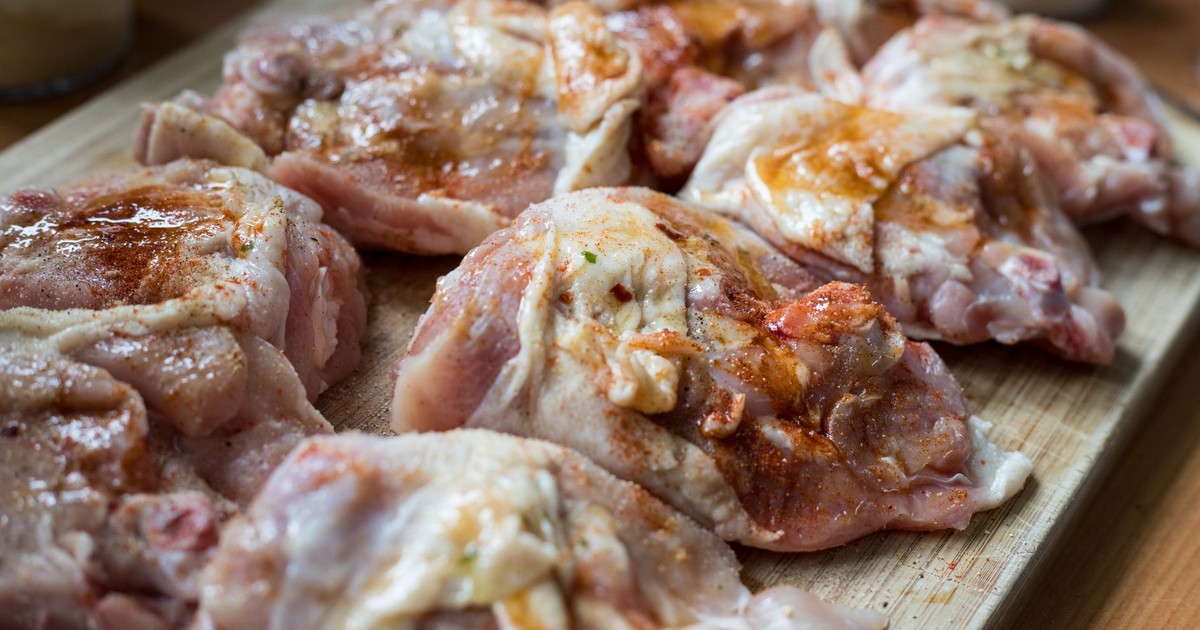
According to the CDC, raw chicken can be contaminated with Campylobacter, Salmonella, or Clostridium perfringens. Eating undercooked chicken raises the risk of serious health complications, with symptoms arising typically within one to three hours. Those symptoms include stomach cramps, nausea, diarrhea, vomiting, and fever, and in severe cases, hemolytic uremic syndrome (HUS), which can result in kidney failure.
The scale of contamination at the retail level is striking. Data from food safety researchers shows that about 1 in every 25 packages of raw chicken at the grocery store contains Salmonella – a 4% contamination rate across standard retail supply. The bacteria live on the surface and sometimes inside the meat itself, which means color and smell are not reliable safety indicators.
The USDA recommends cooking chicken to an internal temperature of 165°F (74°C) measured with a food thermometer at the thickest part of the meat, not just until the juices run clear. Cross-contamination from raw chicken to other foods on the same cutting board or countertop carries the same risks even when the chicken itself is cooked properly.
3. Raw Milk
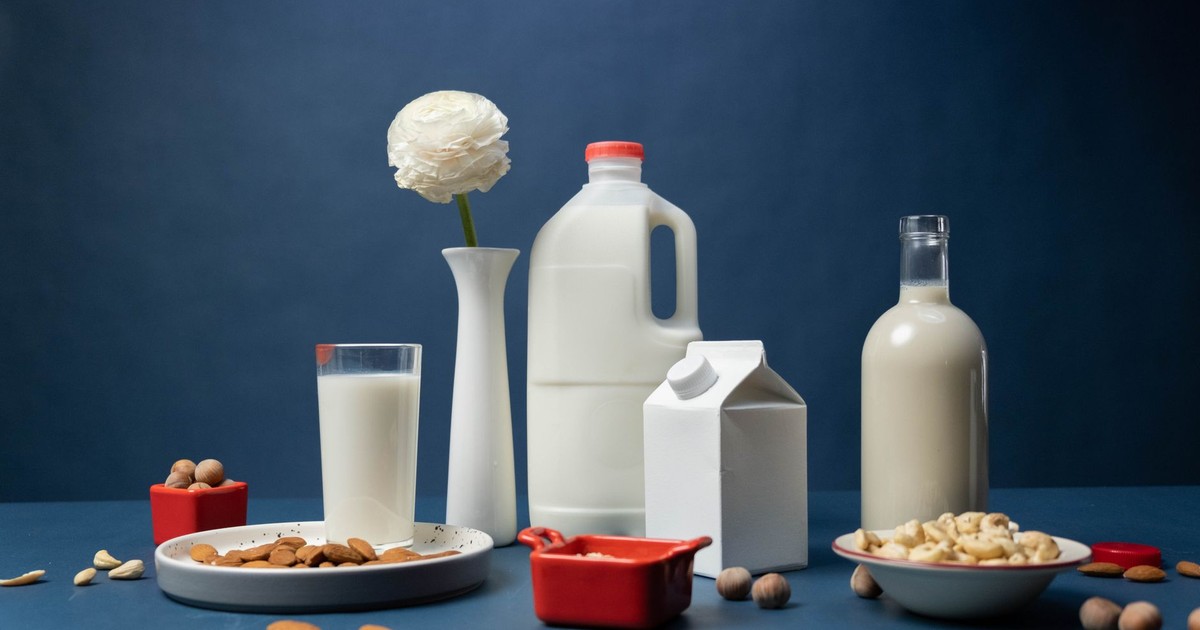
Drinking or eating products made from raw milk can expose people to germs including Campylobacter, Cryptosporidium, E. coli, Listeria, and Salmonella, according to the CDC. Pasteurization – the process of briefly heating milk to kill pathogens – was developed specifically because raw milk is such an efficient vector for these bacteria. Removing that step removes the protection.
The outbreak record over two decades is instructive. According to the FDA, from 1998 through 2018, there were 202 outbreaks linked to drinking raw milk, causing 2,645 illnesses and 228 hospitalizations. Those numbers cover only confirmed, reported outbreaks – the actual burden is almost certainly higher, since mild cases frequently go unreported.
Proponents of raw milk often cite potential probiotic benefits or claims about digestibility. The scientific consensus, however, is that pasteurization does not meaningfully reduce the nutritional profile of milk, and no claimed benefit of raw milk outweighs its documented pathogen risk – particularly for children, pregnant women, older adults, and anyone immunocompromised.
4. Raw Eggs
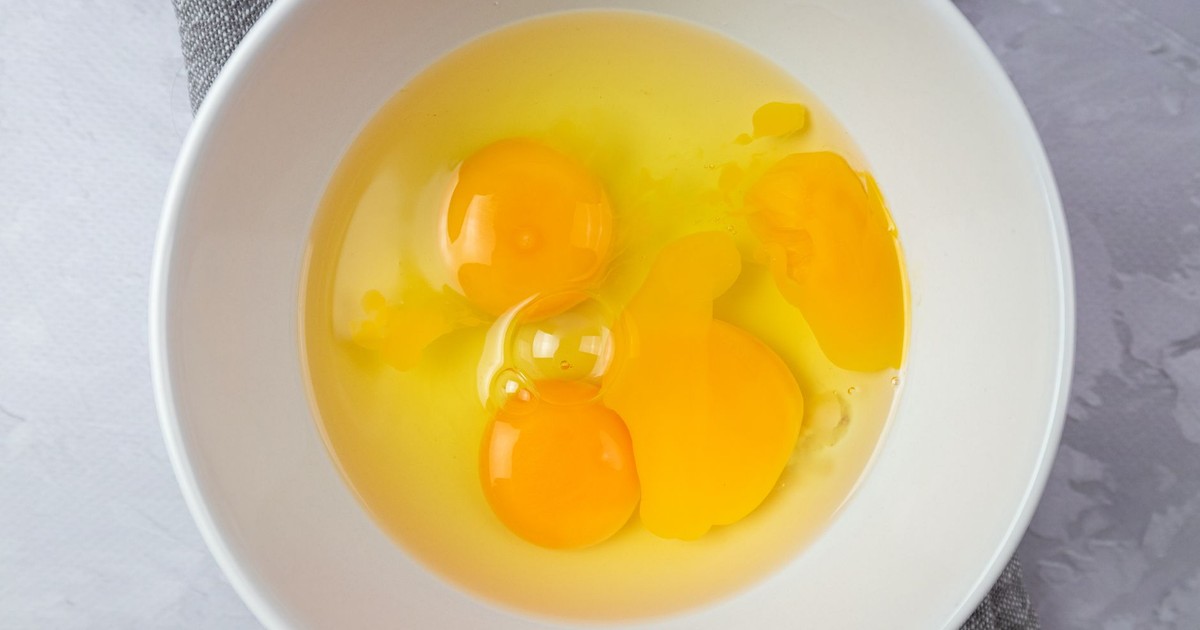
The risk with raw eggs is more nuanced than it’s sometimes presented. About 1 in 20,000 eggs in the U.S. is internally contaminated with Salmonella Enteritidis, meaning the bacteria is inside the egg before the shell is ever cracked. Unlike surface contamination, which washing can address, this internal route means a visually perfect, clean egg can still carry the pathogen.
The practical math adds up faster than people expect. If you consume two raw eggs a week, you statistically encounter an internally contaminated egg roughly once every 190 years – low odds per egg, but real risk over a lifetime of consistent exposure. The risk compounds significantly for anyone making dishes that call for multiple raw eggs, such as homemade Caesar dressing, certain mousse preparations, or raw cookie dough.
Cooking eggs until both the white and yolk are firm eliminates Salmonella. Pasteurized eggs – sold at most grocery stores and clearly labeled – are a safe alternative for any recipe that calls for raw or lightly cooked eggs. They go through a controlled heat process that kills bacteria without actually cooking the egg.
5. Raw Oysters and Shellfish
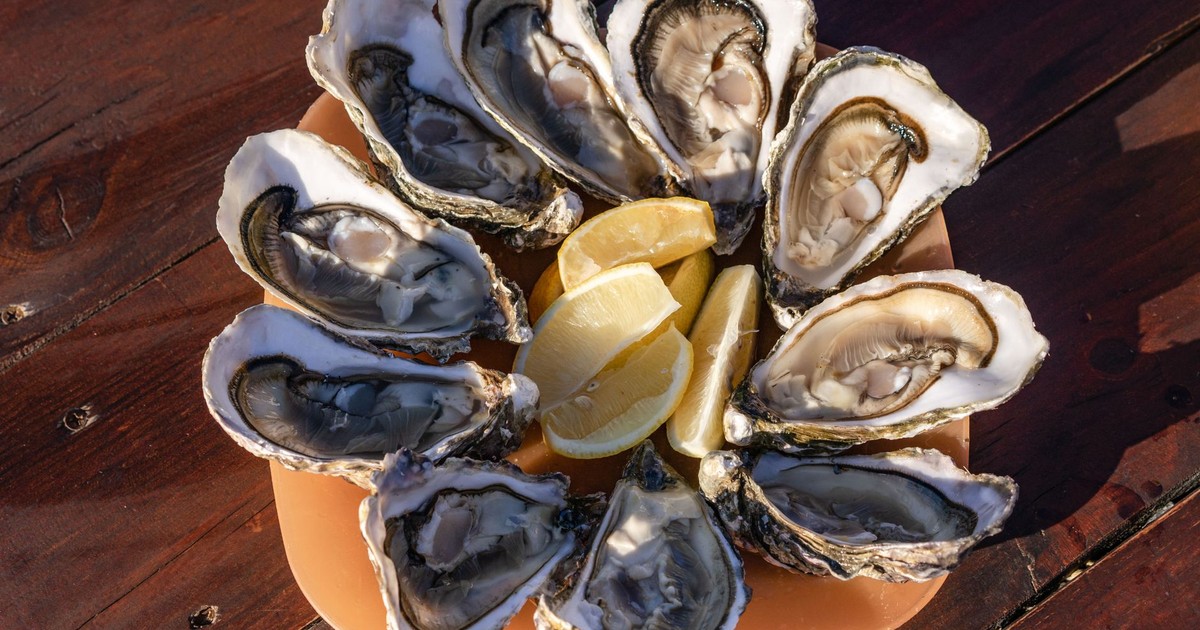
Most people who develop a Vibrio infection get it by eating raw or undercooked shellfish, especially oysters, according to the CDC. About 1 in 5 people infected with Vibrio vulnificus die – sometimes within a day or two of becoming ill.
Vibrio bacteria are naturally present in coastal waters and concentrate inside filter-feeding shellfish like oysters. Unlike many foodborne pathogens, Vibrio vulnificus can move fast. A person can feel fine at dinner and be critically ill by morning. The bacteria thrive in warmer water temperatures, so risk is higher during summer months, though refrigerated oysters can still carry them.
The “R month” rule – only eat oysters in months with an “R” in the name – has some basis in the seasonal pattern of Vibrio, but it isn’t a guarantee. People with liver disease, diabetes, or weakened immune systems are at sharply elevated risk of severe outcomes and should avoid raw shellfish entirely. For everyone else, cooking oysters to an internal temperature of 145°F eliminates the pathogen.
6. Raw Potatoes – Foods to Avoid Raw for a Chemical Reason
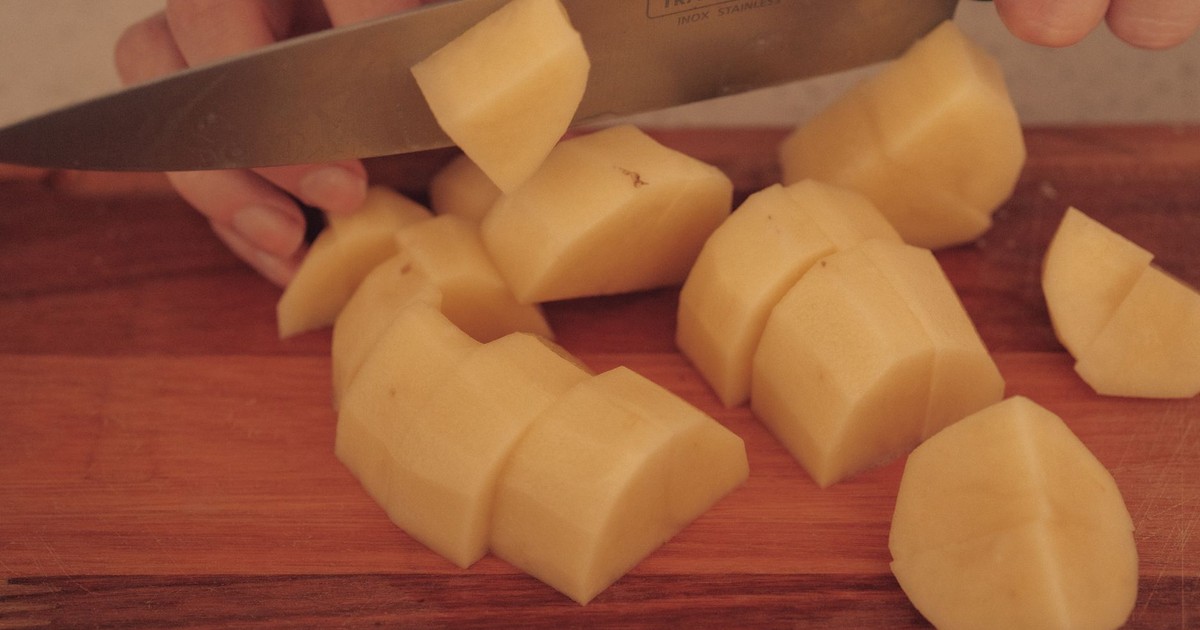
Raw potatoes contain glycoalkaloids – specifically solanine and chaconine – that concentrate in green, sprouted, or damaged tubers. Many plants in the Solanaceae family contain glycoalkaloids, considered natural toxins – toxic steroidal glycosides whose natural function is likely to protect the plant when attacked by insects and fungi. Poisoning from ingesting potatoes with high glycoalkaloid levels, according to a 2020 EFSA risk assessment, produces gastrointestinal disturbances and neurological disorders, generally within 8 to 12 hours after ingestion.
The concentration of these compounds isn’t uniform. A normal, non-illuminated potato tuber contains an average of 12 – 20 milligrams per kilogram of glycoalkaloids, while a green tuber contains 250 – 280 milligrams per kilogram – and a green tuber skin can reach 1,500 – 2,200 milligrams per kilogram. A green, sprouted, or sun-exposed potato can carry glycoalkaloid levels that are genuinely hazardous even after cooking, which is why those potatoes should be discarded rather than just peeled more aggressively. The green color signals chlorophyll production, which accompanies – but doesn’t cause – glycoalkaloid accumulation.
Raw potato flesh is also difficult to digest and provides very little nutritional value compared to cooked potato, since cooking breaks down resistant starch into a form the body can actually use. There’s no meaningful upside to eating potatoes raw, and there’s a real chemical hazard, especially with any tuber showing green coloration or sprouting.
7. Raw Sprouts
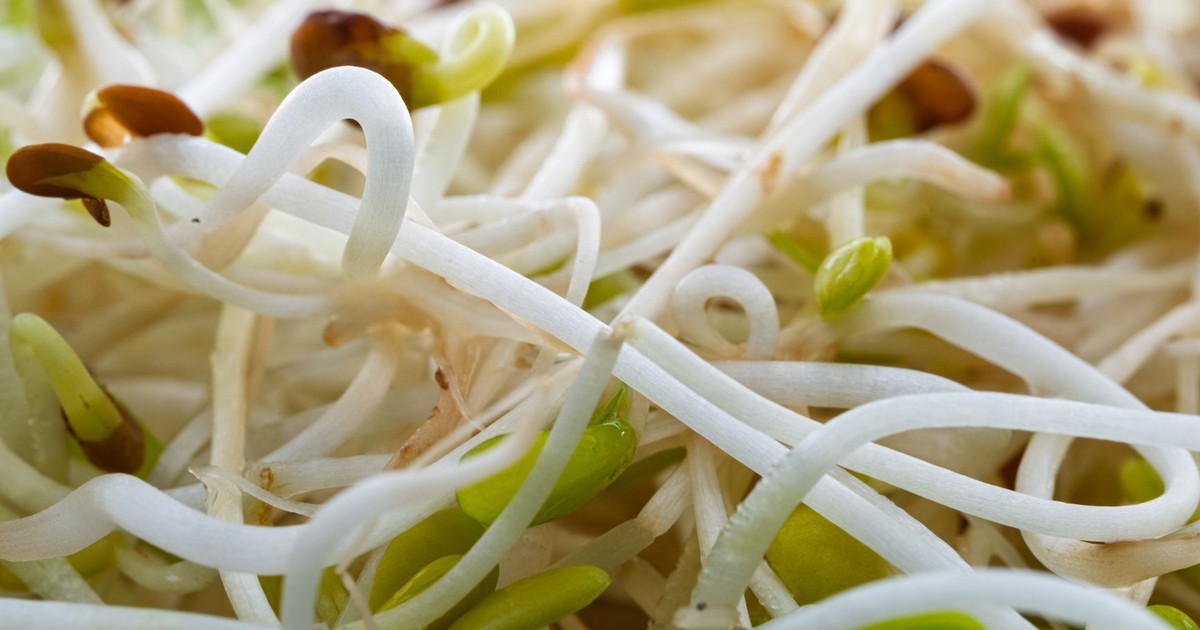
Between 1996 and 2020, sprouts were linked to approximately 50 outbreaks in the U.S. alone, causing over 2,500 illnesses, according to Food Poisoning News. Alfalfa, clover, radish, and bean sprouts have all been implicated.
The reason sprouts are so consistently problematic comes down to their growing conditions. Sprouts require warm and humid conditions to grow, which are also ideal for bacterial pathogens such as Salmonella and E. coli, according to Colorado State University’s Food Source Information. A seed with even a tiny amount of bacterial contamination will grow that contamination exponentially in the sprout jar, at room temperature, over several days. No amount of rinsing resolves this, because the bacteria are inside the sprout structure itself.
The FDA advises children, elderly people, pregnant women, and immunocompromised individuals to avoid raw sprouts entirely. For everyone else, cooking sprouts thoroughly – stir-frying or steaming until visibly wilted – kills the pathogens. If you enjoy sprouts on sandwiches or in salads, look for pasteurized sprout options at specialty grocery stores.
This risk profile connects to food safety patterns that affect even foods considered inherently healthy.
8. Raw Cassava
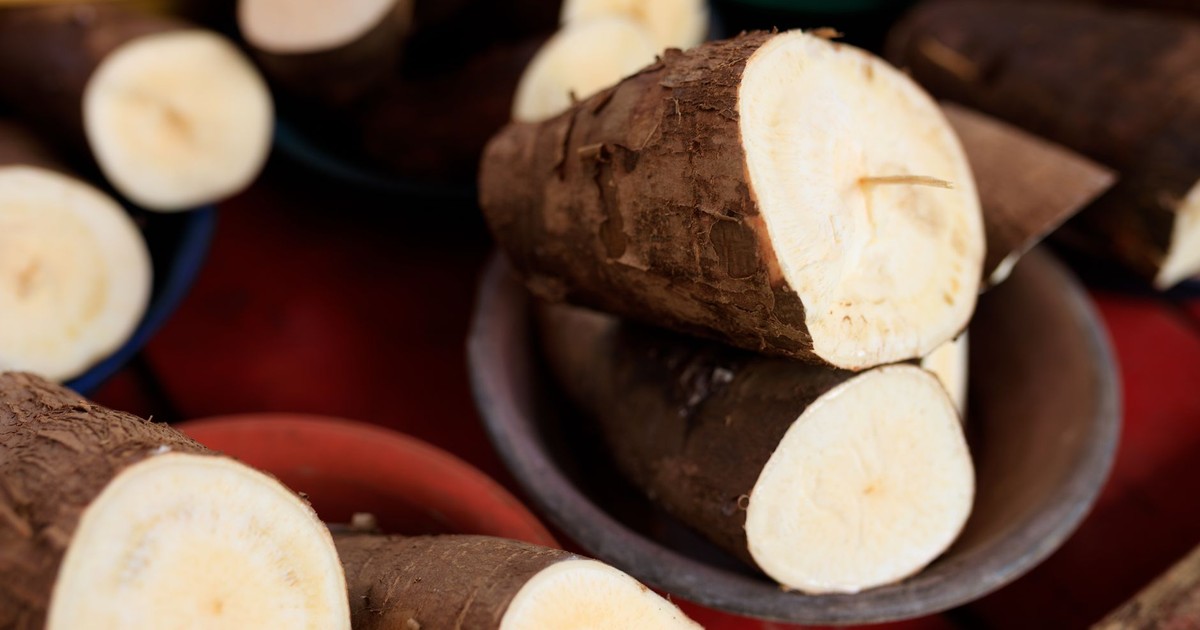
Cassava contains compounds called cyanogenic glycosides, primarily linamarin, which release hydrogen cyanide when the plant’s cells are damaged during cutting, grating, or chewing. When the root is cut or crushed, an enzyme breaks linamarin down into an unstable intermediate that quickly releases hydrogen cyanide – the same respiratory toxin used in industrial poisons. This reaction also occurs inside the digestive system, which is why eating underprocessed cassava is dangerous even when there’s no smell or taste to warn you.
The risk varies sharply between cassava varieties. Sweet cassava contains under 50 milligrams of hydrogen cyanide per kilogram of fresh weight, while bitter cassava can exceed 400 mg/kg – well above dangerous thresholds. Most cassava used in the United States is the sweet variety, but improperly processed imports and homemade preparations using bitter varieties remain a genuine hazard.
Effective methods to reduce cyanide include sun-drying, oven drying, boiling, soaking, and fermenting cassava. No single step is sufficient on its own – combining multiple preparation methods is the standard approach. Tapioca and commercially processed cassava flour sold in the U.S. have undergone these steps and are generally safe.
9. Raw Cashews
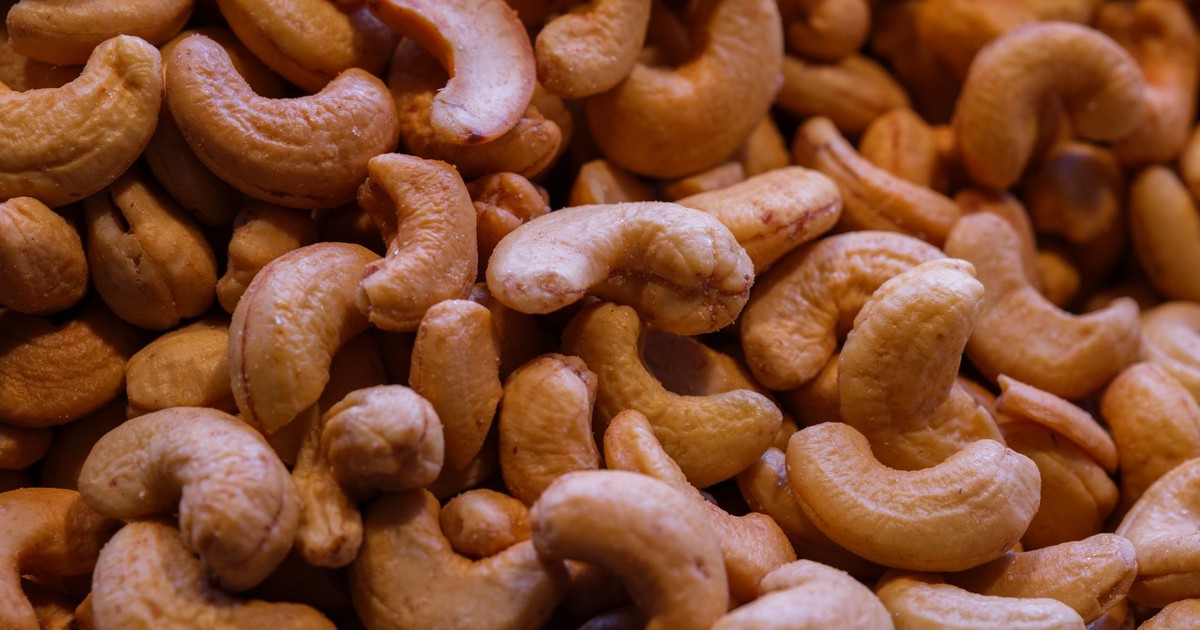
Grocery-store cashews labeled “raw” have already been heat-processed. The shells of cashews straight from the tree contain urushiol – the same toxin found in poison ivy – and producers steam them to remove this chemical before packaging. What reaches store shelves has already been treated to eliminate the hazard. Unprocessed cashews direct from the tree are not safe to eat.
Urushiol from cashew shells is poisonous and can cause severe allergic reactions, skin irritation, or internal swelling. For people already sensitive to poison ivy, the reaction to genuine raw cashews can be severe. The itching and blistering associated with urushiol exposure can affect the mouth, throat, and digestive tract when the compound is ingested rather than just touched.
Buy cashews from reputable sources that label their processing clearly, and be cautious about purchasing cashews at markets where the supply chain is unclear. Commercially roasted or steamed cashews from major grocery retailers are safe. If you ever encounter cashews still in their outer shell – which looks nothing like the kidney-shaped nut inside – don’t handle them without gloves, and don’t eat them.
Read More: This Food Is Most Likely To Cause Food Poisoning (And It’s Not Meat)
What to Do With This Information
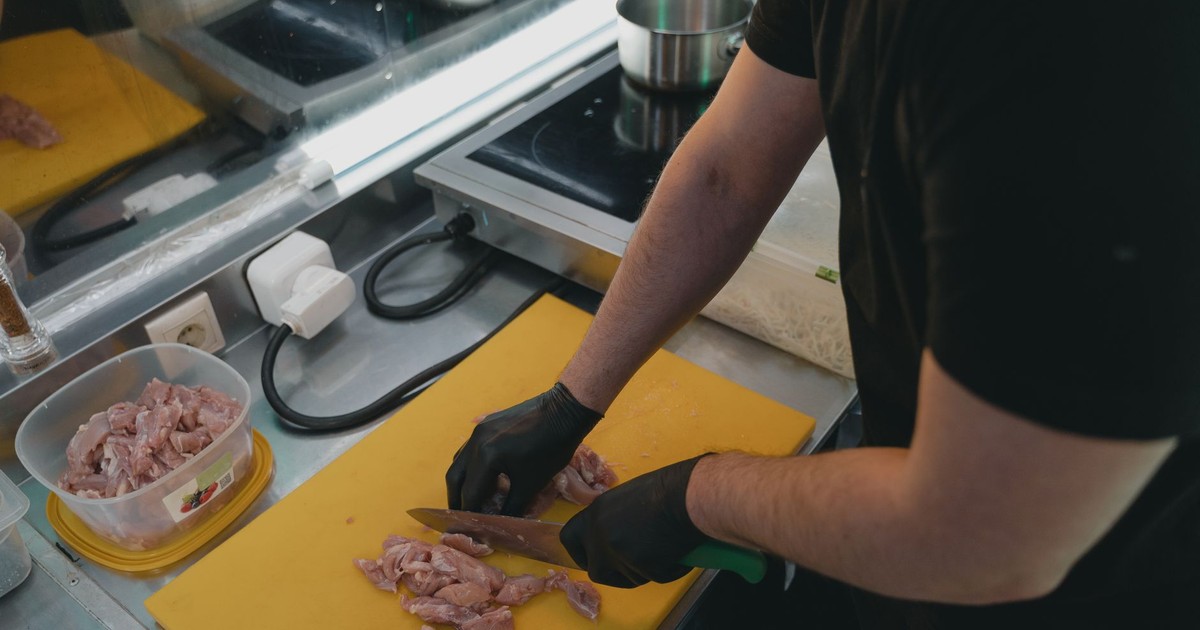
None of the foods on this list need to be avoided entirely – they just need to be cooked. Red kidney beans boiled for ten minutes at a rolling boil. Chicken brought to 165°F. Eggs either cooked through or sourced as pasteurized. Cassava soaked, peeled, and cooked thoroughly. The hazard is almost always in the preparation, not the ingredient.
The foods most likely to catch people off guard are the ones that look and smell fine raw. Salmonella-contaminated chicken doesn’t smell different from clean chicken. A sprouted potato looks like any other potato, just with some growth at the ends. Grocery-store cashews have already had their most dangerous element removed – which is actually reassuring, not alarming, as long as you know why. Check internal temperatures, don’t skip the boil on dried beans, and treat any food flagged here with the same caution you’d give raw meat.
Disclaimer: The author is not a licensed medical professional. The information provided is for general informational and educational purposes only and is based on research from publicly available, reputable sources. It is not intended to constitute, and should not be relied upon as, medical advice, diagnosis, or treatment. Always consult a licensed physician or other qualified healthcare provider regarding any medical condition, symptoms, or medications. Do not disregard, avoid, or delay seeking professional medical advice or treatment because of information contained herein.
AI Disclaimer: This article was created with the assistance of AI tools and reviewed by a human editor.
Read More: 11 Muscle-Building, Fat-Burning Superfoods You Should Add Now