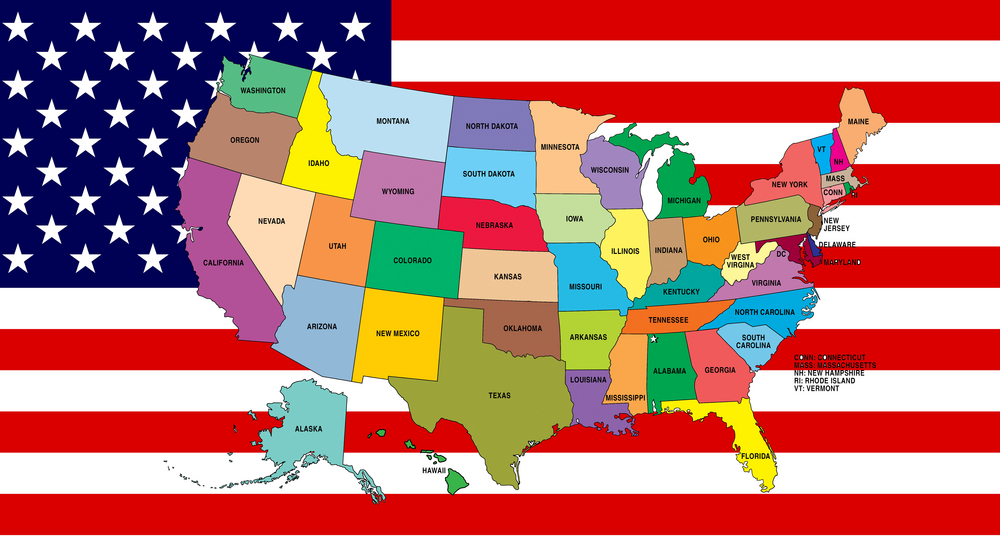

Louisiana ranked dead last among all 50 states for the fourth straight year. But the more striking fact isn’t which state sits at the bottom – the exact same four states have held the bottom four positions, unchanged, from 2025 to 2026. While a lot shifted at the top of the list, the very worst performers have barely moved at all.
The top of the rankings told a different story, with the Mountain West, Midwest, and Sun Belt states dominating the highest overall spots. Four states in particular made dramatic leaps upward, reshaping the top tier in ways nobody predicted heading into the year. The methodology behind all of it – weighting education at 15.79% and healthcare at 15.51%, the two heaviest categories of the eight – means that states doing right by their schools and hospitals have a structural advantage over states that are simply wealthy or geographically fortunate.
U.S. News & World Report released its 2026 Best States rankings on July 28, scoring all 50 states across 71 metrics covering healthcare, education, economy, infrastructure, opportunity, fiscal stability, crime and corrections, and natural environment. The full rankings are a snapshot of what life actually looks like across America – not just GDP figures or political talking points, but the systems that shape everyday decisions about where to work, raise kids, and age well. Here’s how every region of the country stacked up, from the top of the list to the very bottom.
1. Utah: Four Years at the Top, One Big Asterisk

Utah held onto the No. 1 spot for the fourth consecutive year, while Texas claimed the nation’s highest-ranked economy. That kind of sustained dominance is rare in these rankings. Most states cycle in and out of the top five as economic conditions shift, but Utah has built something more durable.
The state ranked No. 2 for both its economy and fiscal stability, No. 4 for infrastructure, and No. 6 for education, while also earning a No. 7 ranking for crime and corrections. That’s a remarkable depth of performance – top-ten finishes in five out of eight categories. U.S. News Executive Chairman and CEO Eric Gertler pointed to Utah’s “consistency,” specifically crediting its strong economy, fiscal stability, education system, and young, growing workforce.
The asterisk, though, is real. Utah ranked No. 18 for healthcare, No. 24 for opportunity, and No. 48 for natural environment – that last figure is almost jarring given the state’s reputation for outdoor recreation. Utah is also the youngest state in the country by median age, at 30.7 years, which feeds its economic growth but also means healthcare infrastructure is still catching up to a rapidly expanding population. The air quality challenges tied to that growth are almost certainly driving the dismal natural environment score.
2. South Dakota: The Biggest Jump of the Year
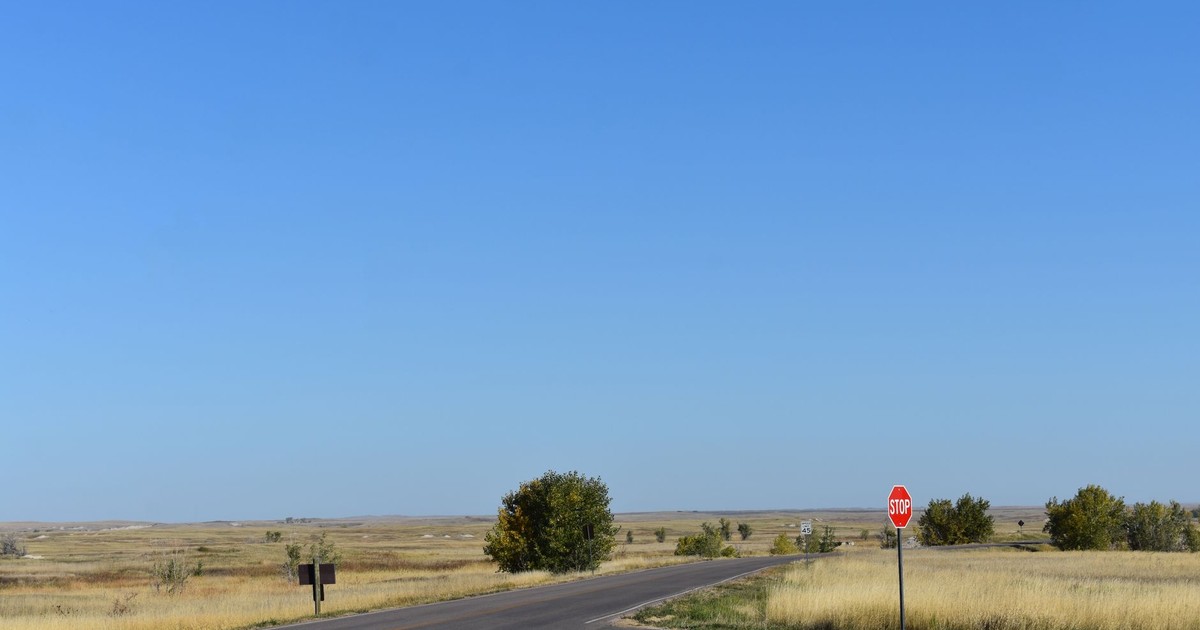
South Dakota soared from No. 8 in 2025 to No. 2 this year, the single largest gain among any state in the top tier. That kind of six-position jump in one year is unusual, and it signals something structural shifting in the state’s favor rather than a one-year statistical blip.
South Dakota posted one of the year’s biggest gains overall, while North Dakota similarly jumped, driven by improvements in healthcare, education, fiscal stability, and economic performance. South Dakota specifically benefited from its lean government model – low taxes, minimal regulatory burden, and a diversified agricultural and financial services economy that has attracted remote workers from higher-cost states. Improvements in economy, healthcare, and natural environment fueled the surge for the Midwest states.
What’s notable about South Dakota’s rise is that it didn’t happen because of a single breakout category. The state improved incrementally across several metrics simultaneously, which is the kind of broad-based progress the weighted ranking rewards most. If that trajectory holds, it’s a genuine contender to challenge Utah’s streak.
3. Minnesota: Steady, Quietly Dominant

Minnesota is the quiet achiever of this list. The state was named the third-best in America in the 2026 Best States ranking, which evaluated all 50 states across 71 metrics covering healthcare, education, economy, infrastructure, opportunity, fiscal stability, crime and corrections, and natural environment.
Minnesota moved up one spot from No. 4 to No. 3 this year, a modest climb that understates the state’s consistency. Within the specific categories, Minnesota ranked highest for infrastructure at No. 9 and lowest for economy at No. 24. That economy ranking is the one drag on an otherwise strong cross-category performance. The state’s healthcare and education systems are both elite by national standards, which matters given those two categories carry the most weight in the final scores.
For residents, Minnesota’s rankings translate into tangible realities: strong public schools, reliable infrastructure, and healthcare access that most states can’t match. The economy number reflects a higher tax burden compared to the Dakotas, not a struggling job market – a distinction worth keeping in mind when interpreting what “economy” measures in this context.
4. North Dakota: The Year’s Surprise Story
North Dakota jumped from No. 12 to No. 4, driven by improvements in healthcare, education, fiscal stability, and economic performance – a gain of eight positions in a single year. That’s even more dramatic than South Dakota’s rise, and it puts both Dakotas in the top four for the first time.
Gertler described 2026 as the “Year of the Midwest,” and told Fox News Digital that “States in the Midwest and South generally moved up the rankings, while several Northeastern states fell substantially, showing how human and financial capital are actively migrating away from high-cost areas into more affordable regions.” That framing is telling. The Midwest’s rise isn’t just about favorable rankings math – it reflects businesses and people genuinely relocating toward lower-cost, faster-growing interior states as coastal housing and operating costs remain elevated.
North Dakota’s improvement in healthcare is particularly significant, given it’s one of the two most-weighted categories. A state with serious rural healthcare access challenges historically, it appears investments in telehealth infrastructure and regional hospital capacity are beginning to move the needle on that metric.
5. Nebraska: Rounding Out a Midwest Sweep
The overall top five heavily favored the Midwest, with South Dakota climbing from No. 8 to No. 2, North Dakota rising from No. 12 to No. 4, and Nebraska rounding out the top five at No. 5. Four of the top five states are clustered in the Upper Midwest and Mountain West – a regional concentration that’s hard to ignore.
Nebraska’s presence in the top five reflects the same structural advantages working for the Dakotas: fiscal discipline, a stable agricultural economy, low unemployment, and a cost of living that gives residents meaningful purchasing power. The state doesn’t dominate any single category but consistently avoids the bottom half across all of them – the ranking equivalent of a B-plus student who never fails a class.
The state’s performance underscores a broader truth about how these rankings work. Dramatic excellence in one or two areas doesn’t necessarily beat steady competence across eight. Nebraska is living proof of that.
The Top 10 Completed: New Hampshire Through Vermont

New Hampshire, Idaho, Florida, Washington, and Vermont rounded out the top 10. The Northeast’s presence is anchored by New Hampshire, which led the Northeast at No. 6 overall, ranking first in crime and corrections and third in natural environment. Vermont, at No. 10, earned the nation’s top ranking for opportunity and placed third in crime and corrections.
Massachusetts ranked No. 11 overall and finished second in healthcare. Colorado made one of the year’s most notable category-level moves: Texas had the nation’s top-ranked economy, supported by job growth and GDP growth, while Colorado climbed from third to first in education, helped by increases in associate degree completion and attainment rates. Hawaii claimed the No. 1 ranking in healthcare, according to the 2026 U.S. News press release.
Nine of the 12 most populous states ranked outside both the top 10 and the bottom 10, including North Carolina at No. 13, Virginia at No. 19, New Jersey at No. 20, Georgia at No. 22, and New York higher up the middle tier. Big population doesn’t translate to high ranking – in fact, the administrative complexity that comes with scale often works against states in categories like fiscal stability and crime and corrections.
If you’re thinking about where you might want to put down roots, the category-level breakdown matters as much as the overall number. Research on state-level resident outflows consistently shows that people move toward the same qualities these rankings measure – affordability, safety, and opportunity – which makes the top and bottom of this list a useful lens for those decisions.
Read More: These 11 States Are Seeing the Biggest Outflow of Residents
The Bottom of the List: A Pattern of Stagnation

While the top 10 shuffled considerably from 2025 to 2026, the bottom of the ranking was far more stagnant, with Louisiana at No. 50, Alaska at No. 49, Mississippi at No. 48, and New Mexico at No. 47 remaining unchanged from the previous year.
Louisiana’s position is the starkest data point in the entire rankings. According to the U.S. News state profile for Louisiana, it’s the only state with a bottom-10 ranking in every single category, scoring especially poorly in crime and corrections at No. 50, economy at No. 49, natural environment at No. 49, and education at No. 46. This marks the fourth consecutive year Louisiana has finished last overall. The absence of any upward movement across multiple consecutive years suggests that the state’s challenges are structural, not cyclical, and that incremental policy changes haven’t been sufficient to shift the trajectory.
Pennsylvania ranked No. 40, held back by its 47th-place finish in economy. Wisconsin came in at No. 15, performing best in education at No. 5. Georgia ranked No. 22, performing best in fiscal stability at No. 10. The middle of the country – positions 20 through 40 – is where most Americans live, and where the differences between states are often more meaningful in daily life than the gap between No. 1 and No. 5.
What This Means for You

Where your state ranks isn’t just a trivia answer. The categories driving these scores – healthcare access, education quality, infrastructure reliability, and fiscal health – are the systems that shape how much you pay in taxes, how good your local schools are, and how easily you can see a doctor. U.S. News has published this ranking annually since 2017, with category weights drawn from national surveys of tens of thousands of people asked to prioritize various state-level issues. Education carries 15.79%, healthcare 15.51%, economy 12.88%, and infrastructure 12.74% of the overall score.
If your state ranks poorly, the rankings themselves can serve as a useful roadmap. Louisiana, Alaska, Mississippi, and New Mexico don’t perform poorly by accident – they have specific, identifiable weaknesses in the most-weighted categories that have persisted for years. States that have climbed fast, like South Dakota and North Dakota, did so by improving across multiple metrics at once rather than banking everything on a single strength. For residents making decisions about where to live, work, or retire, the full breakdown by category – not just the overall number – tells the more useful story. The complete 2026 state-by-state data is available directly from U.S. News at USNews.com/states, where you can find exactly how your state performed in the categories that matter most to you.
AI Disclaimer: This article was created with the assistance of AI tools and reviewed by a human editor.
Read More: The 10 Longest Airplane Flights on Earth Right Now (and One Coming in 2027)