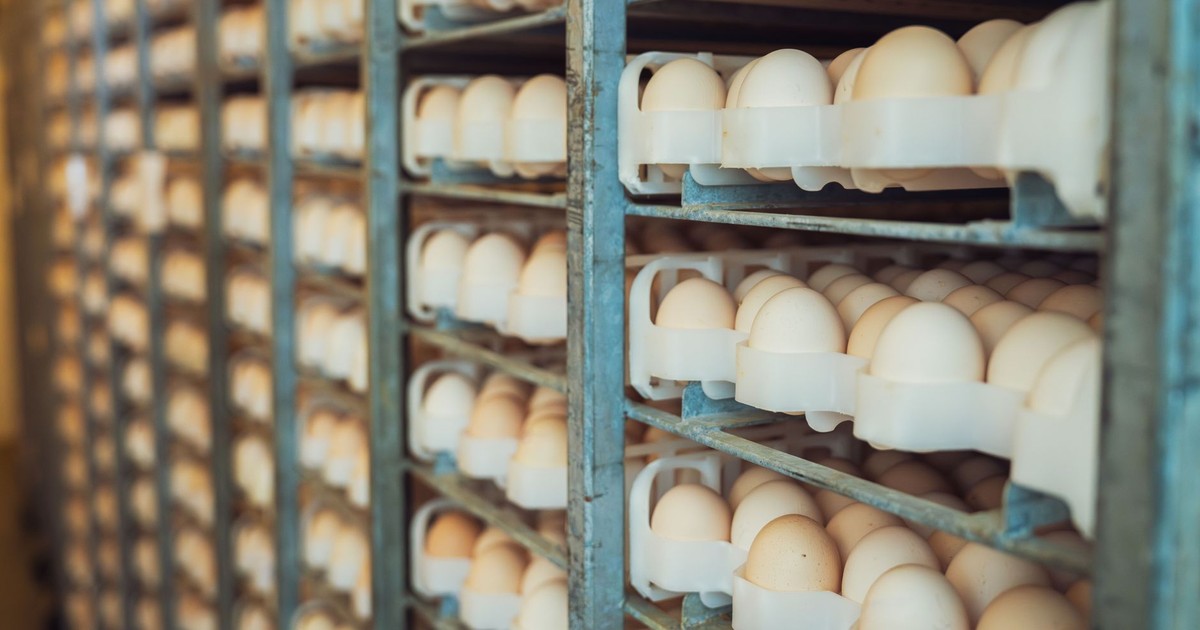

Most Americans toss a carton of eggs the day the sell-by date flips, and there’s a reasonable chance they’re discarding eggs that are still perfectly safe to eat – sometimes by several weeks. The dates printed on egg cartons are quality indicators, not safety deadlines. Many egg cartons carry a sell-by date or expiration date, but this date is not required by the federal government – it may be required by individual state laws where the eggs are marketed.
The number that tells you far more about freshness is a three-digit code most people walk right past. That code is the Julian date, printed on the short end of the carton – the pack date when the eggs were washed, graded, and placed in the carton. It runs from 001 for January 1 through 365 for December 31.
Eggs are safe to consume four to five weeks beyond that Julian date as long as they’re kept refrigerated. For a carton packed on day 200 (July 19), that means the eggs remain safe well into September – even if a sell-by date two weeks earlier came and went. The storage conditions inside your refrigerator, however, shape that timeline just as much as the date on the box.
1. Raw Eggs in the Shell: Up to 5 Weeks in How Long Eggs Last in the Refrigerator
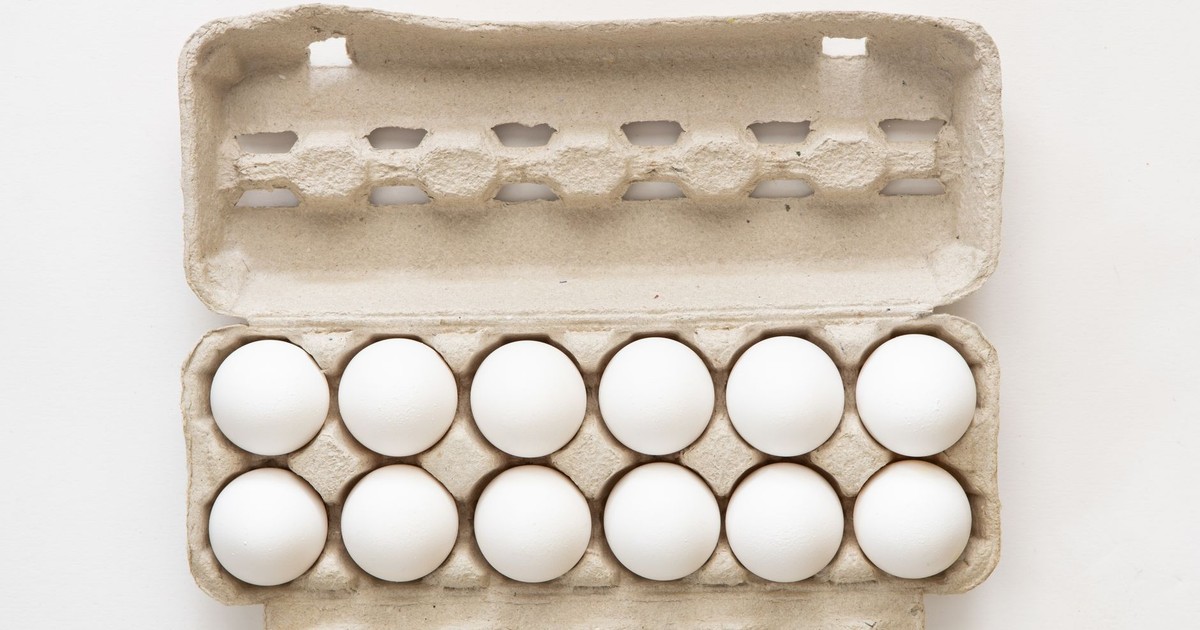
The FDA recommends storing eggs promptly in a clean refrigerator at a temperature of 40°F or below, and keeping them in their original carton for best quality within 3 weeks. According to the USDA, eggs in their shells are safe for 3 to 5 weeks in the fridge – and the sell-by date will most likely expire before that window closes, but the eggs are still safe to eat.
Keeping eggs at the right temperature is what makes that timeline possible. The back of the main refrigerator shelf maintains the most stable temperature, while the door experiences frequent temperature swings and is the warmest zone in the fridge. Moving your eggs from the door to a middle or rear shelf is one of the simplest ways to extend how long they last.
The Julian date represents the most critical freshness indicator on egg cartons. A carton with a sell-by date of tomorrow but a Julian date from four weeks ago is still safe; a carton with a sell-by date three weeks out but a Julian date from last week is fresher. Train your eyes to find that three-digit code.
2. Hard-Boiled Eggs: Only 1 Week, Regardless of the Shell
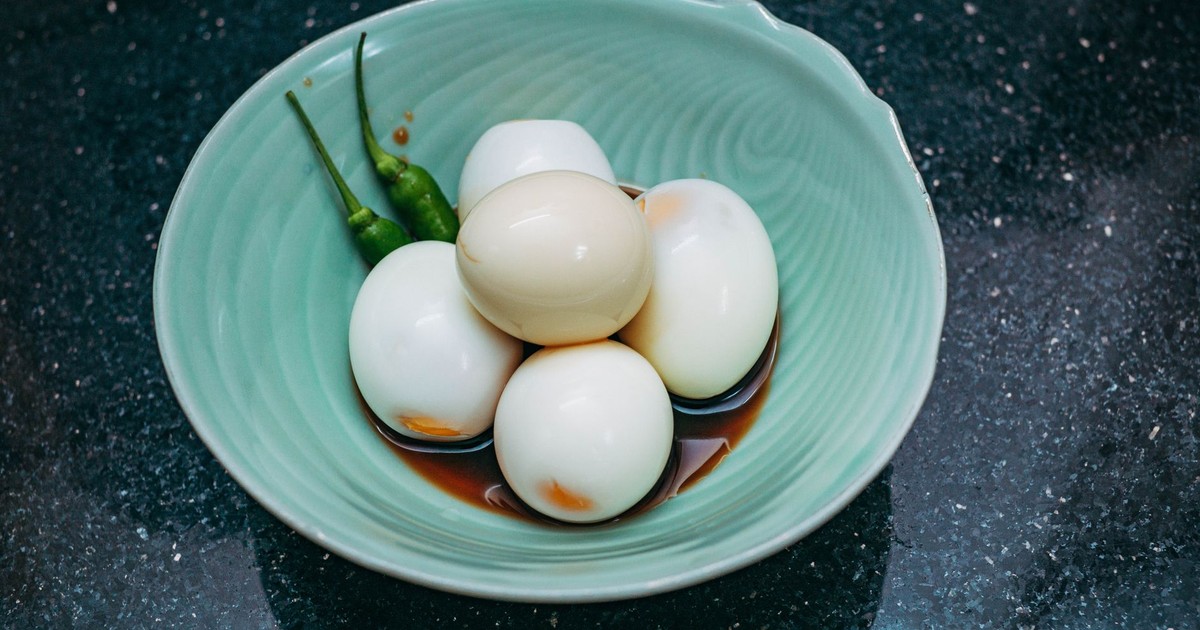
Cooking an egg dramatically shortens its safe storage window. The FDA states that hard-cooked eggs – whether in the shell or peeled – should be used within one week after cooking. That’s a far shorter lifespan than most people expect, especially those who hard-boil a batch at the start of the week assuming they’ll last as long as raw eggs.
The reason comes down to what cooking removes. The shell provides a physical barrier against bacteria and moisture loss in raw eggs, and refrigeration slows any bacterial activity that could penetrate it. But the cooking process opens the egg to the environment in a new way, making it more vulnerable over time even when chilled. Peeled hard-boiled eggs are best stored submerged in cold water in a covered container, with the water changed daily, or in a sealed container with a damp paper towel.
Use hard-cooked eggs, whether in the shell or peeled, within one week of cooking. One common misconception is that peeled hard-boiled eggs spoil faster than unpeeled ones – both have the same one-week window when stored properly in a sealed container. Mark your container with the cook date so you’re not guessing later in the week.
3. Separated Eggs: Whites Last Longer Than Yolks

Once you crack an egg and separate the components, the clock runs differently for each part. Raw egg whites or yolks stored in the refrigerator last up to 4 days. Yolks are more perishable than whites – if you’re storing only yolks, plan to use them within 2 days in a sealed container.
Raw egg whites can hold safely for up to 4 days, which means making something that uses only yolks – hollandaise sauce, pastry cream, carbonara – leaves you whites that won’t survive the whole week. Store them in an airtight container and use them within four days for omelets, meringues, or egg white scrambles.
Keeping eggs in their original carton protects them from absorbing strong odors from other foods in the refrigerator. For separated eggs stored in separate containers, choose something with a tight-fitting lid and keep them toward the back of the shelf, not near strong-smelling items like onions or leftover fish.
4. How Long Refrigerated Eggs Last at Room Temperature

The timeline for how long eggs last in the refrigerator assumes they stay there. Once a cold egg hits warm air, a different set of rules applies. Once eggs have been refrigerated, they need to remain in refrigerated storage because they can sweat when brought to room temperature, which can allow pathogens to transfer to the inside of the egg.
That condensation, combined with increased bacterial activity at warmer temperatures, creates a real risk. The FDA advises never allowing eggs or other foods requiring refrigeration to sit at room temperature for more than two hours – or one hour if the air temperature is above 90°F.
The practical takeaway: take out only the eggs you’re about to cook, not the whole carton. If you’ve left refrigerated eggs sitting on a counter for more than two hours – say, while preparing a large meal – discard them rather than refrigerating them again. The risk isn’t about the eggs looking different; Salmonella contamination produces no visible signs.
5. Unwashed Eggs: A Different Set of Rules
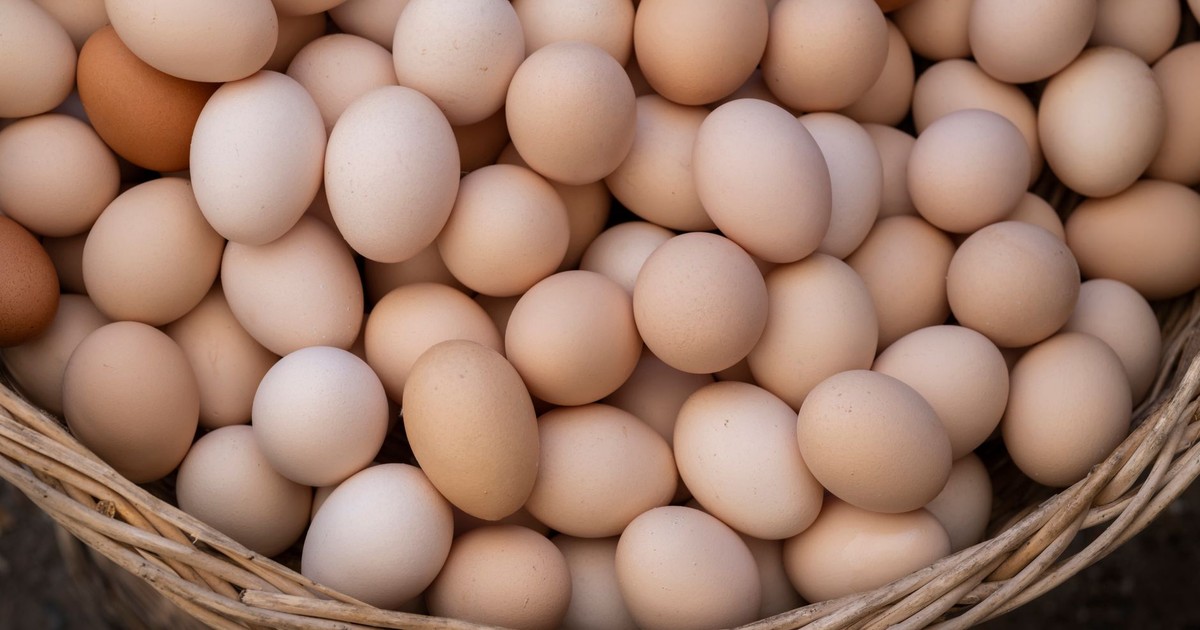
Commercially produced eggs sold in the US are washed before they reach a store shelf. Because large-scale egg producers cannot effectively monitor the health of individual chickens, the USDA has established rules requiring eggs to be thoroughly washed before distribution. The purpose of this regulation is to remove dirt, fecal matter, and other contaminants from the shell’s surface – but washing also removes a natural, invisible protective layer called the cuticle or bloom.
If you have access to unwashed farm eggs – from backyard hens or a local farm that doesn’t wash – the rules change. Unwashed eggs can be stored at room temperature for up to 21 days. Once washed, however, those eggs need refrigeration like any commercial egg.
Standard supermarket eggs must be refrigerated because washing strips them of their protective cuticle and leaves them more vulnerable to bacteria. Home-raised and backyard eggs, if they haven’t been washed, still have this protective cuticle and don’t need refrigeration. Once you wash a farm egg, you’ve committed it to the fridge.
6. The Float Test: A Simple At-Home Freshness Check

If you’ve lost track of when you bought a carton, or found a single egg rattling around the fridge with no date in sight, there’s a reliable method to check freshness before you cook. The float test works because eggshells are slightly porous – as eggs age, moisture evaporates through the shell and the air cell inside grows, making older eggs more buoyant.
Lower the egg gently into a tall glass of cool water. An egg that lies flat on the bottom is very fresh, likely within a week or two of being laid. One that stands upright with the wide end pointing up is older but still safe – use it soon, ideally for hard-boiling or baking rather than poaching or sunny-side-up. An egg that floats to the surface should be discarded.
One thing the float test can’t tell you: whether the egg contains Salmonella. Open the carton and make sure that the eggs are clean and the shells are not cracked before buying. At home, the float test catches age-related spoilage – the gradual degradation of a perfectly ordinary egg – but it won’t detect bacterial contamination that originated inside the egg before the shell even formed.
7. Salmonella: Why Refrigeration Matters Beyond Freshness
Fresh eggs, even those with clean, uncracked shells, may contain bacteria called Salmonella. The FDA’s egg safety regulation was designed to prevent approximately 79,000 cases of foodborne illness and 30 deaths each year caused by consumption of eggs contaminated with Salmonella Enteritidis. Salmonella Enteritidis can infect the ovaries of laying hens, contaminating eggs from the inside before the shell is even formed – meaning the egg can look and smell perfectly normal and still carry the bacteria.
Refrigerating eggs at 40°F or below minimizes pathogen growth and keeps them safe throughout the storage window. The danger zone isn’t just about eggs going “bad” in a quality sense – it’s about conditions that allow any existing bacteria to multiply to levels that cause illness.
Leftover cooked egg dishes should be refrigerated and used within 3 to 4 days. Salmonella illness usually occurs within 12 to 72 hours after eating contaminated food, with symptoms including diarrhea, fever, and abdominal cramps. Cooking eggs until both the yolk and white are firm kills Salmonella, which is why runny eggs carry a higher risk than fully cooked ones, especially for young children, pregnant women, and older adults.
Read More: You’re Probably Throwing Out Eggs Weeks Before You Need To
What to Do Now
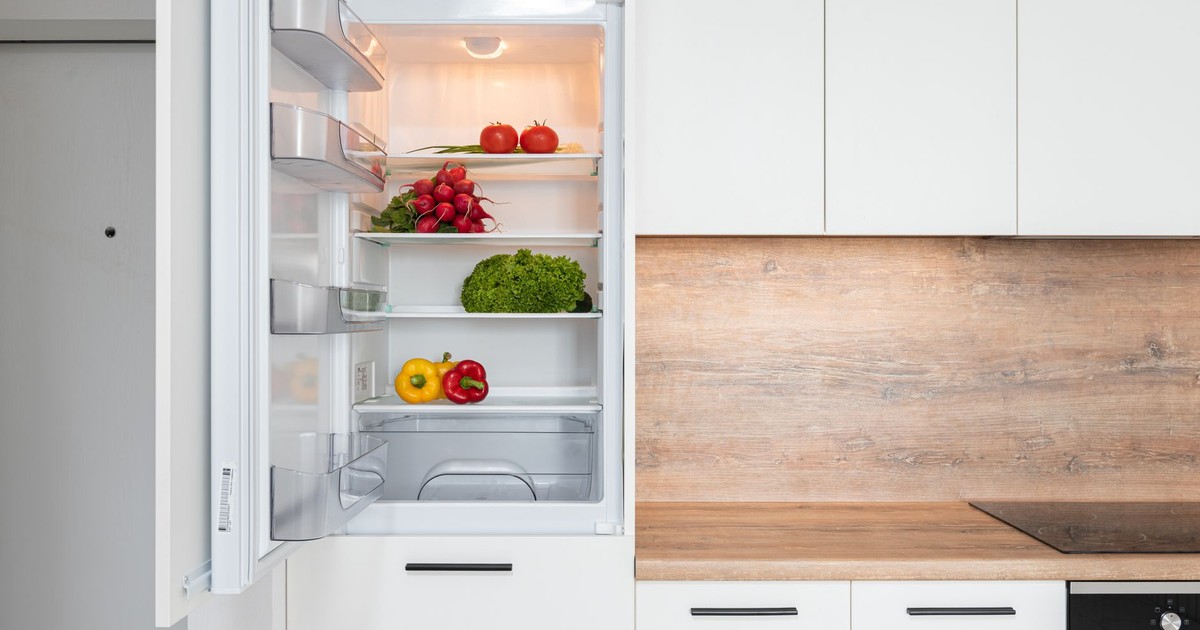
The standard five-week window for refrigerated eggs assumes consistent cold storage at 40°F or below, eggs kept in their original carton away from the fridge door, and no extended time sitting out on the counter. All three conditions have to be met for the full timeline to hold. If eggs have been sitting in the door compartment, treat them as a few days closer to expiration than the Julian date suggests.
For most households, a simple habit change covers most of the risk: flip to the short side of the carton at the store and look for the three-digit Julian date rather than the sell-by date. A carton packed on day 180 and purchased today is fresher than one with a sell-by date two weeks from now but a Julian date of 145. Keep eggs cold, keep them in the original carton on a middle shelf, use the float test when in doubt, and cook them fully if you’re serving anyone in a higher-risk group. The five-week clock is more forgiving than most people think – but only if the cold chain stays unbroken.
Disclaimer: This information is not intended to be a substitute for professional medical advice, diagnosis, or treatment and is for information only. Always seek the advice of your physician or another qualified health provider with any questions about your medical condition and/or current medication. Do not disregard professional medical advice or delay seeking advice or treatment because of something you have read here.
AI Disclaimer: This article was created with the assistance of AI tools and reviewed by a human editor.