

Most adults eat fewer than half the daily fiber grams their body needs – yet fiber deficiency doesn’t announce itself with dramatic symptoms. It tends to show up quietly, over years, as elevated cholesterol, unstable blood sugar, or a gut microbiome that’s slowly lost its diversity. The foods that close that gap aren’t expensive, exotic, or hard to find. A registered nutritionist recently named just three of them as the ones she’d prioritize above everything else.
Lily Keeling, a Registered Nutritionist and Senior Recipe Development Manager at Green Chef, has over a decade of experience in food science and product development. Her shortlist isn’t built around trends or supplements. It’s built around consistency – foods that a body can use every single day, across multiple systems at once. Fermented foods, beans and legumes, and leafy greens: each one has a growing body of clinical evidence behind it, and each one addresses a different gap that most Western diets quietly leave open.
The straightforward part is that all three are affordable, widely available, and easy to incorporate into meals you’re already making. The more interesting part is the science behind why these specific foods keep appearing at the top of every serious nutrition priority list. Adding nutrient-dense foods like leafy greens, fermented foods, and legumes is an easier, more realistic path to eating healthier than overhauling an entire diet. Here’s what the research actually shows about each one.
1. Fermented Foods

Keeling’s first pick is fermented foods like kimchi or sauerkraut, which she describes as “packed with beneficial bacteria that help support your gut microbiome, which plays an important role in everything from digestion to immune health.” That’s not a vague wellness claim – it’s a description of a mechanism that clinical researchers have been documenting with growing precision.
Keeling is based in London and works as a Registered Nutritionist at Green Chef, with expertise spanning nutrition, food science, and recipe development, and over a decade in the food industry. Her focus on gut health aligns with where the science has been heading. According to Keeling, gut health has become an increasingly important focus in nutrition science, with fermented foods like kimchi and sauerkraut standing out for their bacteria content.
Keeling is a Registered Nutritionist with the Association for Nutrition, meaning she has not only met the knowledge requirements of an RNutr but has demonstrated the consistent, independent application of nutrition science in professional practice. The clinical evidence backs her recommendation. Research shows that the microbes in fermented foods may improve nutrient digestibility, compete with pathogens, strengthen the gut barrier, support the immune system, and reduce intestinal inflammation. A randomized controlled trial by researchers at Stanford School of Medicine found that a fermented-food diet increased microbiome diversity and reduced levels of 19 inflammatory proteins – two outcomes that matter across virtually every domain of long-term health. In that trial, 36 healthy adults were randomly assigned to either a fermented-food or high-fiber diet for 10 weeks; only the fermented-food group showed consistent gains in microbial diversity and reductions in inflammatory markers.
Keeling recommends starting with kimchi or sauerkraut specifically because they’re “packed with beneficial bacteria that help support your gut microbiome.” Yogurt and kefir offer similar benefits in a more familiar format for people new to fermented foods. The practical goal is regular inclusion – not large amounts at once, but consistent daily exposure. A serving of plain, live-culture yogurt at breakfast, or a spoonful of sauerkraut alongside dinner, is enough to begin shifting the microbial environment in the gut in a measurable direction. Nutrition science has increasingly recognized fermented foods as a priority category precisely because of what their bacterial content does for digestive and immune function.
2. Beans and Legumes

Keeling also recommends beans and legumes – including lentils, chickpeas, and black beans – as a great way to kick-start better health. Her second recommendation centers on a food group she says is often overlooked despite being both affordable and effective: “Next would be beans and legumes, such as lentils, chickpeas and black beans.”
The cardiovascular data on legumes is particularly compelling. A 2022 systematic review and dose-response meta-analysis published in Nutrition, Metabolism and Cardiovascular Diseases, drawing on 26 observational studies covering more than 20,000 screened articles, found that each portion of about 100 grams of legumes per week was associated with a 9% reduction in coronary heart disease risk – with benefits growing as intake increased, up to around 400 grams per week. That’s a meaningful effect from a single, low-cost dietary habit. A separate 2023 systematic review and meta-analysis published in Food & Nutrition Research found that legume consumption was associated with favorable changes in blood lipids, glycemic markers, and blood pressure across both controlled trials and prospective cohort studies.
The fiber content is central to all of this. Legumes provide fiber for digestion and blood sugar control – one of the key benefits that makes them stand out among healthy foods to eat regularly. The body needs vitamins, minerals, and fiber from real food, and legumes deliver all three in one package. A half-cup of cooked lentils provides roughly 8 grams of fiber – about a third of what many adults need in an entire day. Simple habits like tossing beans into soups make these upgrades easy to integrate and more sustainable long-term.
Legumes sit at the intersection of protein, fiber, and complex carbohydrates, making them one of the most nutritionally efficient foods available at any grocery store. A can of chickpeas costs less than $2 and keeps indefinitely in the pantry.
The WHO recommends at least 400 grams of fruits and vegetables daily to reduce noncommunicable disease risk and ensure adequate fiber intake – and legumes contribute directly toward that target. Adding legumes to meals you’re already cooking (soups, salads, grain bowls, stir-fries) requires no new cooking skills and doesn’t replace anything you currently enjoy eating.
3. Leafy Greens
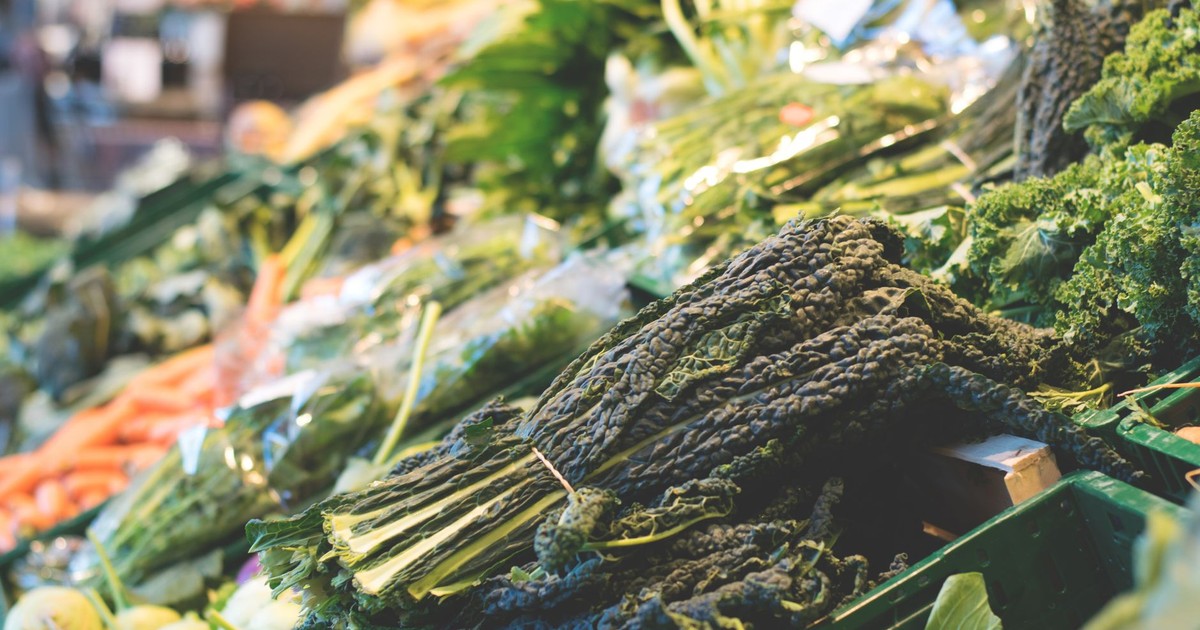
Leafy greens are arguably the most versatile of the three, and they’re the category where the nutrient density is hardest to match from any other food group. Dolores Woods, MA, RDN, LD, Nutritionist Supervisor at UTHealth Houston School of Public Health, notes in her nutrition guidance that leafy greens are “packed with vitamins A, C, K, folate, calcium, iron, and magnesium” – and are also an excellent source of fiber and antioxidant carotenoids for protecting cells.
A 2021 study in nutrition identified between 69 and 103 distinct bioactive compounds in spinach and kale alone, including flavonoids, glucosinolates, and phenolic acids – all of which are associated with reduced chronic disease risk. That’s not a single nutrient doing one job. It’s a dense matrix of compounds working in concert to protect cells, modulate inflammation, and support organ function across multiple systems at once.
The brain benefits are worth noting separately. The MIND diet, which specifically emphasizes brain-healthy foods including leafy green vegetables, berries, nuts, and olive oil, combines the Mediterranean diet with the blood pressure-lowering DASH diet. People who improved their adherence to the MIND diet over a 10-year period had a 25% lower risk of dementia compared to those whose adherence declined. Leafy greens are one of the ten core food groups that diet scores most heavily.
On a practical level, kale and spinach are the most researched options, but arugula, Swiss chard, and mustard greens carry similar nutrient profiles and add variety in flavor and texture. Simple approaches like adding greens to smoothies make the habit easier to sustain. A handful of spinach blended into a fruit smoothie adds virtually no detectable flavor while contributing meaningful amounts of iron, folate, and vitamin K. For people who don’t enjoy salads, this is a legitimate and effective workaround.
Cooking leafy greens doesn’t eliminate their benefits – it changes which nutrients become more bioavailable. Steaming spinach, for example, actually increases the availability of its iron compared to eating it raw. Roasting kale at high heat produces a chip-like texture that many people find far more appealing than the raw leaf. The goal is consistent consumption, not any single preparation method.
Read More: 6 Dietary Habits That May Lower Your Dementia Risk Before Symptoms Start
The Bottom Line

These three foods – fermented foods, beans and legumes, and leafy greens – share a common thread: they each do several things at once. Fermented foods rebuild and diversify the gut microbiome while reducing systemic inflammation. Legumes deliver fiber, plant protein, and compounds that directly lower cardiovascular risk markers. Leafy greens provide a concentrated mix of vitamins, minerals, and protective phytochemicals that no multivitamin can replicate in the same form.
Rather than overhauling an entire diet, adding nutritious ingredients to meals you’re already eating makes the habit work with your lifestyle and preferences, which is ultimately what makes it sustainable. Buying a jar of kimchi, opening a can of chickpeas, or adding spinach to a weeknight stir-fry are not dramatic interventions. But done consistently, they address the dietary gaps that chronic disease research identifies again and again as the ones that matter most. The foods on Keeling’s list aren’t aspirational. They’re available, affordable, and backed by decades of converging evidence – which is exactly why a nutritionist with over ten years in the field would choose them above everything else.
Disclaimer: This information is not intended to be a substitute for professional medical advice, diagnosis, or treatment and is for information only. Always seek the advice of your physician or another qualified health provider with any questions about your medical condition and/or current medication. Do not disregard professional medical advice or delay seeking advice or treatment because of something you have read here.
AI Disclaimer: This article was created with the assistance of AI tools and reviewed by a human editor.