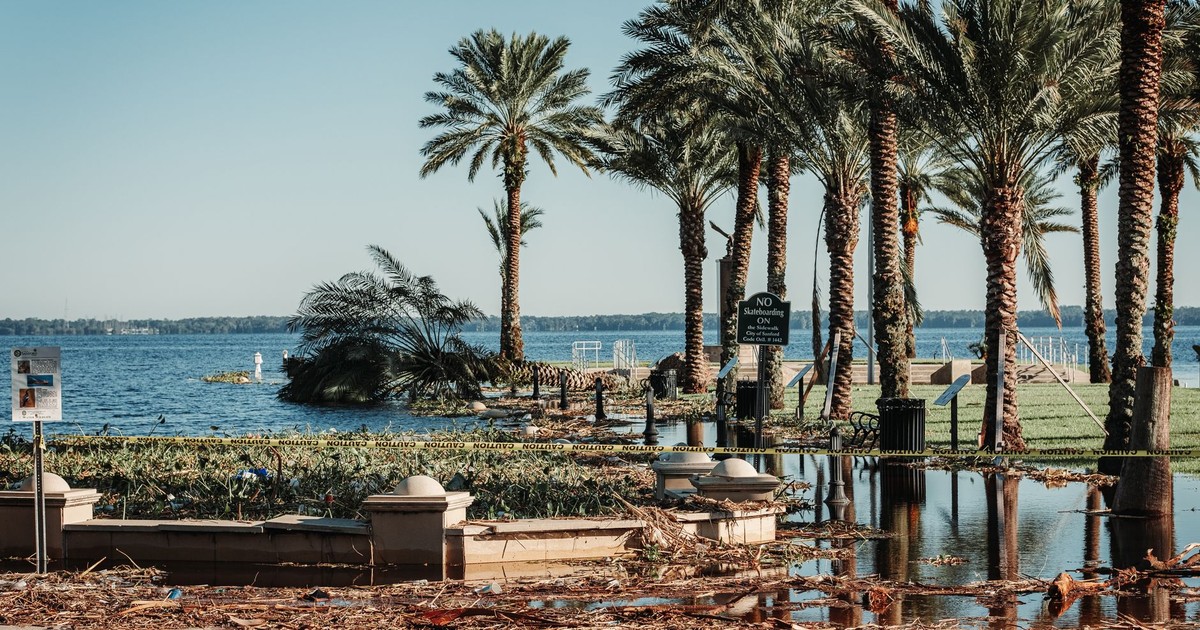

Florida’s west coast consistently ranks among the most hurricane-vulnerable stretches of coastline in the United States, yet hundreds of thousands of retirees continue to relocate there every year. The state drew more retirement migration than any other in the country as recently as 2023. That momentum has started to collide with a reality that the glossy retirement guides rarely lead with: some of the South’s most popular retirement destinations have quietly become some of its most financially and physically dangerous ones.
The problem isn’t just hurricanes. Across a broad sweep of Southern cities, the combination of soaring insurance premiums, weakening healthcare infrastructure, extreme heat, and violent crime has made the retirement math significantly harder than it looked even five years ago. Given that many retirees live on fixed incomes and inflation is driving up the cost of living, affordability is a key metric when considering where to live out one’s golden years – and several Southern cities are failing that test in multiple categories at once. The retirement cities to avoid are no longer limited to obviously struggling post-industrial towns. Some are sun-soaked coastal cities with nice restaurants and golf courses. That’s precisely what makes them worth a hard second look.
Twelve Southern cities keep surfacing in the data on crime, insurance costs, healthcare quality, climate risk, and walkability. Here’s what the numbers actually show.
1. Jacksonville, Florida
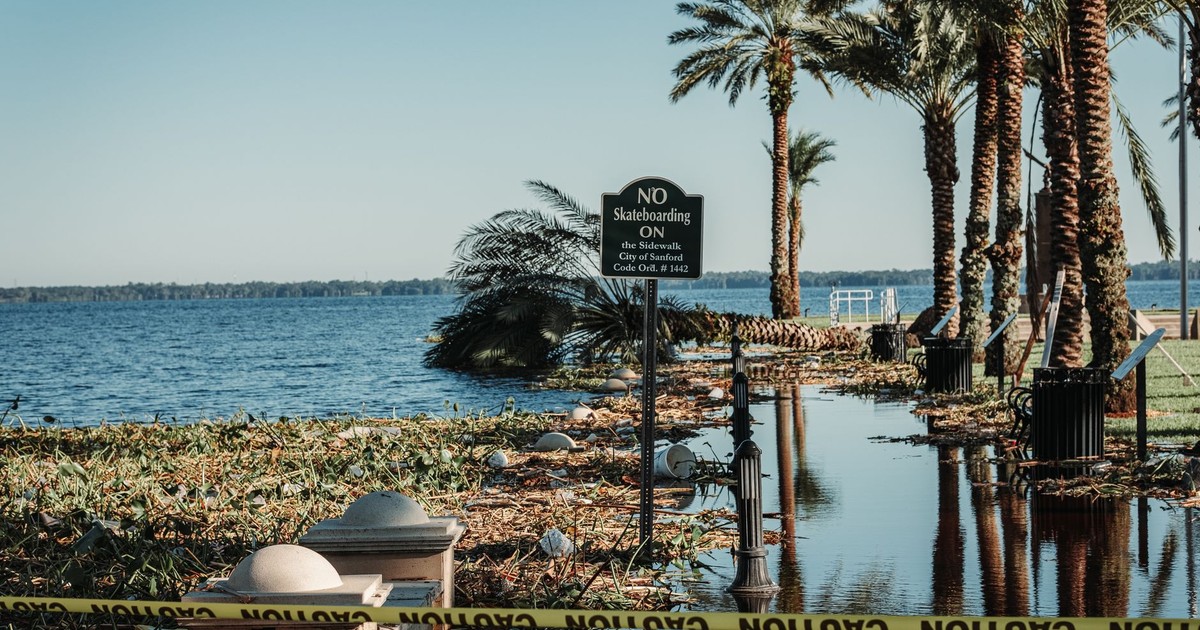
Florida’s biggest city consistently ranks as the most dangerous in the state. Its annual crime rate sits at roughly 64 per 1,000 residents, with approximately 12.4 violent crimes per 1,000 people. For context, the FBI’s 2023 crime data puts the national violent crime rate at approximately 363.8 per 100,000 – or about 3.6 per 1,000 – meaning Jacksonville’s violent crime rate is more than triple that national figure.
Beyond safety, the insurance burden in Florida makes Jacksonville a costly place to put down permanent roots. Florida’s average homeowners insurance is $7,136 per year, sitting 181% above the national average. That figure alone can consume a significant portion of a retiree’s Social Security income before a single grocery bill is paid. Combine the crime exposure with some of the steepest homeowners insurance in the nation, and Jacksonville’s sun-and-beaches appeal quickly dims.
WalletHub’s 2026 analysis of 182 cities ranked Jacksonville among the worst Florida cities for retirees, with poor marks across healthcare access, senior-friendly activities, and overall quality of life. For a retiree hoping to stretch a fixed income while staying safe, Jacksonville requires a level of financial resilience that most retirees simply don’t have.
2. Miami, Florida
Miami’s cultural energy and walkability are real. The city genuinely offers more pedestrian infrastructure than most Florida metros. But the financial reality of living there on a retirement income is a different story entirely. Palm Beach County’s median single-family home sale price reached $643,000 in October 2025, up 125.6% from October 2015, a signal of how dramatically property values across South Florida have decoupled from ordinary retirement budgets.
Miami’s cost of living is well above both the Florida and national averages, and it sits inside the same catastrophic insurance market as the rest of the state. The average Floridian paid $7,136 in annual homeowners insurance in 2026 – 181% above the national average – a burden that falls on every homeowner in the state regardless of their zip code. Add to that the hurricane exposure and summer heat index values that regularly top 110°F, and Miami becomes a city better suited to a vacation than a fixed-income retirement.
3. Tampa and Clearwater, Florida
Tampa’s reputation as a top retirement city has been built largely on its tax advantages and warm winters. Climate data puts the hurricane exposure now pointed directly at the city’s door into sharper relief. Many cities on Florida’s west coast, including Tampa and Clearwater, face high risk of significant tropical impacts this hurricane season.
Abnormally warm water in the Atlantic makes it more likely that at least one very large, destructive hurricane will form during the current season, with the Gulf Coast sitting squarely in the projected impact zones. Tampa Bay’s shallow geography and low-lying elevation make storm surge the specific danger – and the area has not taken a direct major hurricane hit in over a century, meaning most residents have no lived experience of what that looks like.
Home insurance premiums have climbed 46% since 2021, with premiums expected to rise for the fifth straight year in 2026 – a trend that hits Florida’s west coast especially hard, where several insurers have pulled out of the market entirely.
4. Fort Lauderdale, Florida
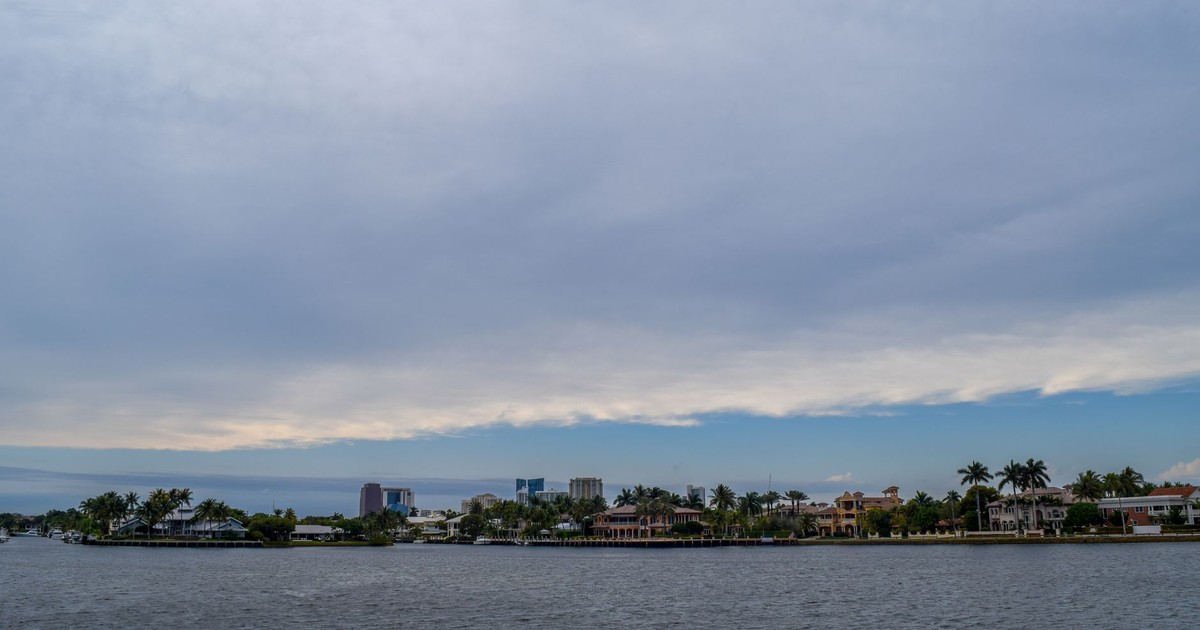
Fort Lauderdale sits 22% above the national cost-of-living average and carries the same statewide insurance crisis as every other Florida city. Fort Lauderdale’s cost of living is 21% above the rest of Florida, which makes it 22% above the national average. That premium gets paid every month in rent, groceries, utilities, and yes, insurance – whether or not a storm actually hits.
The city’s hurricane exposure is equally serious. Fort Lauderdale sits on a narrow coastal strip between the Atlantic and the Everglades, with minimal natural elevation to buffer against storm surge. Gulf Coast cities including Fort Lauderdale and Galveston remain vulnerable to hurricane impacts given abnormally warm Atlantic water temperatures in 2026. For a retiree on a fixed income, the combination of a high baseline cost of living and a financially ruinous disaster risk makes Fort Lauderdale a precarious long-term choice.
5. New Orleans, Louisiana
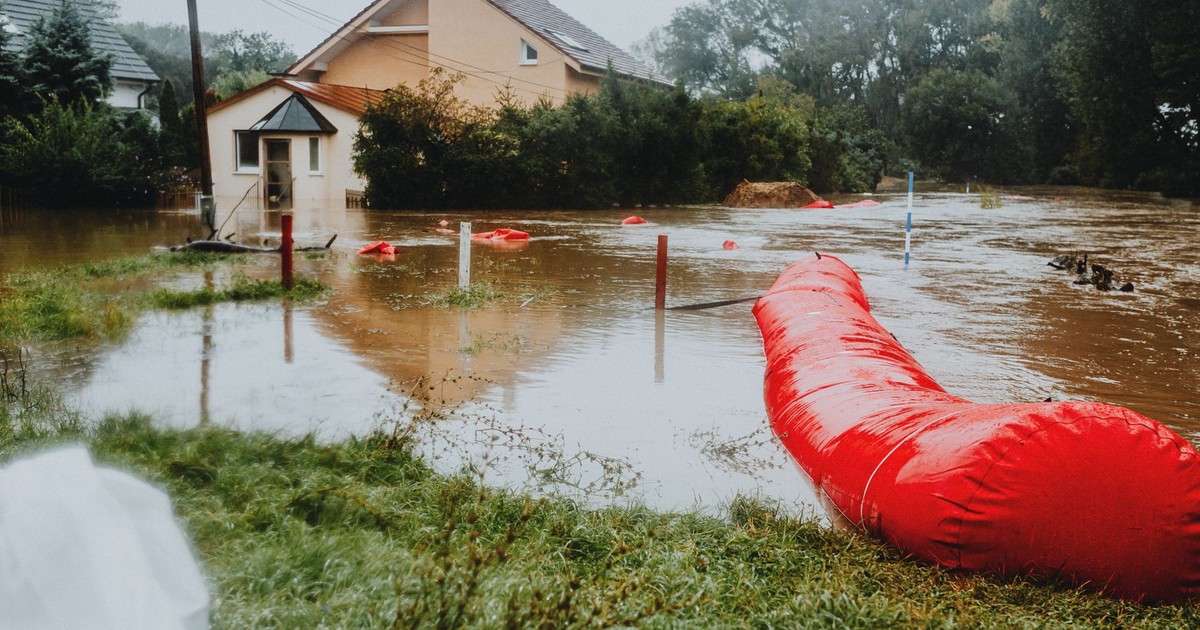
New Orleans has one of the most distinctive cultural identities of any American city, but the practical conditions for retirees have remained stubbornly difficult. Louisiana frequently ranks among the worst states for crime, with both violent and property crime rates well above the national average – a major concern for retirees seeking a safe and stable environment – and the state is also highly vulnerable to natural disasters, particularly hurricanes and flooding.
The insurance situation in Louisiana is arguably the worst in the country. Louisiana recorded the largest increase in homeowners insurance rates among all U.S. states, with a 58% rate increase from 2023 to 2025. Multiple insurers have exited the state entirely, forcing homeowners into the state-backed insurer of last resort – which itself has faced solvency questions after back-to-back hurricane seasons. A retiree buying a home in New Orleans today is entering one of the most financially unstable insurance markets in the country.
Louisiana’s health outcomes for seniors rank among the weakest in the country, while the summers are hot and humid, and aging infrastructure creates public access issues that limit community amenities.
6. Memphis, Tennessee

Tennessee attracts retirees with its lack of state income tax and relatively affordable housing, but Memphis carries a burden that offsets those advantages almost entirely. Memphis has a violent crime rate of 2,501 violent crimes per 100,000 residents – nearly seven times the national average of 359. That’s not a neighborhood-level anomaly; it’s a city-wide pattern that affects daily life, property values, and insurance costs across the metro.
U.S. News and World Report’s 2025-2026 city rankings, drawing on FBI crime data, rank Memphis as one of the most dangerous places in the United States, with approximately 8,463 property crimes per 100,000 people – an extraordinarily high level of theft and burglary that poses a very real daily risk, particularly for seniors who are especially vulnerable to property crime and financial scams.
Tennessee also ranks poorly in healthcare quality metrics, a compounding concern for older adults managing chronic conditions. In Tennessee, the typical homeowner spends an estimated $284 a month on home insurance coverage – nearly double the estimated property tax bill of $143. For retirees expecting Tennessee’s low-tax reputation to translate into overall savings, that insurance bill is a rude surprise.
7. Atlanta, Georgia
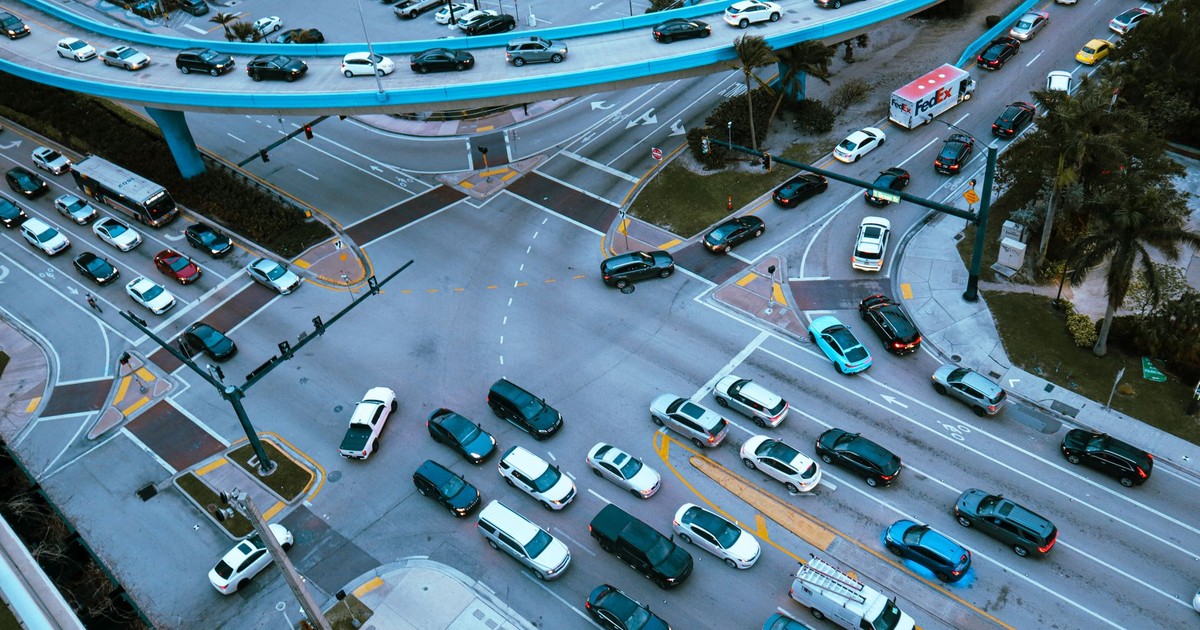
Atlanta offers undeniable infrastructure advantages – it has the busiest airport in the world, a large medical community, and a broad range of entertainment options. But the day-to-day retirement experience in the city itself is harder than its amenities suggest. Atlanta’s heavy traffic can discourage retirees from leaving home, the hot and humid weather creates barriers to outdoor activity, and while the city’s cost of living is about 2% below the U.S. average, healthcare costs there run 8% above it.
That healthcare cost premium matters more than it appears. Retirees typically spend significantly more on medical care than the general population, so an 8% markup on an already elevated baseline adds up fast over a decade of retirement. Atlanta also faces an acute walkability problem. Nine Southern cities occupied the top ten spots for least walkable cities in the United States according to Walk Score’s city walkability data, and Atlanta consistently features in that category – a genuine quality-of-life issue for retirees who can no longer drive or prefer not to.
8. Galveston, Texas
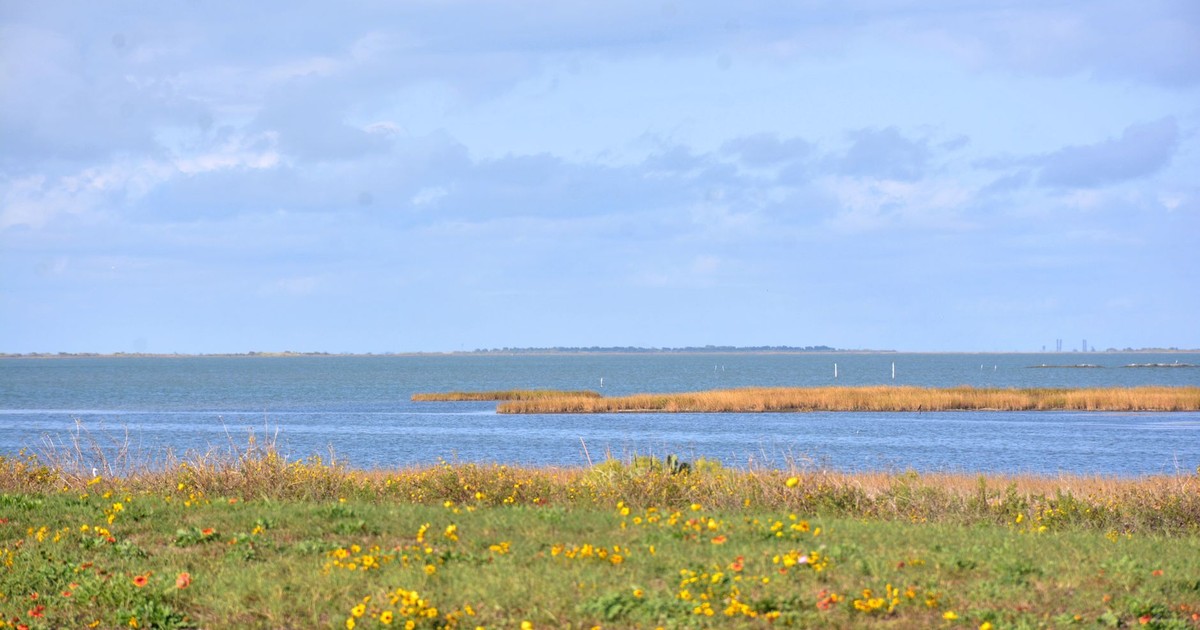
Galveston’s appeal to retirees is understandable: Gulf Coast scenery, relatively affordable housing compared to Florida, and the cultural richness of the Houston metro within reach. Galveston sits on a barrier island that has been catastrophically flooded before and will be again. Gulf Coast cities including Galveston remain vulnerable to hurricane impacts, with abnormally warm Atlantic water increasing the risk of at least one large, destructive storm forming in 2026.
The island’s maximum elevation is roughly 8 feet above sea level, and much of it sits considerably lower. Hurricane Ike in 2008 produced a storm surge that covered nearly the entire island. Climate projections suggest storm surges of that magnitude will become more frequent, not less. For a retiree looking at a 20- to 30-year time horizon, Galveston’s flood risk is not a theoretical concern – it’s a near-certainty.
9. Baton Rouge, Louisiana
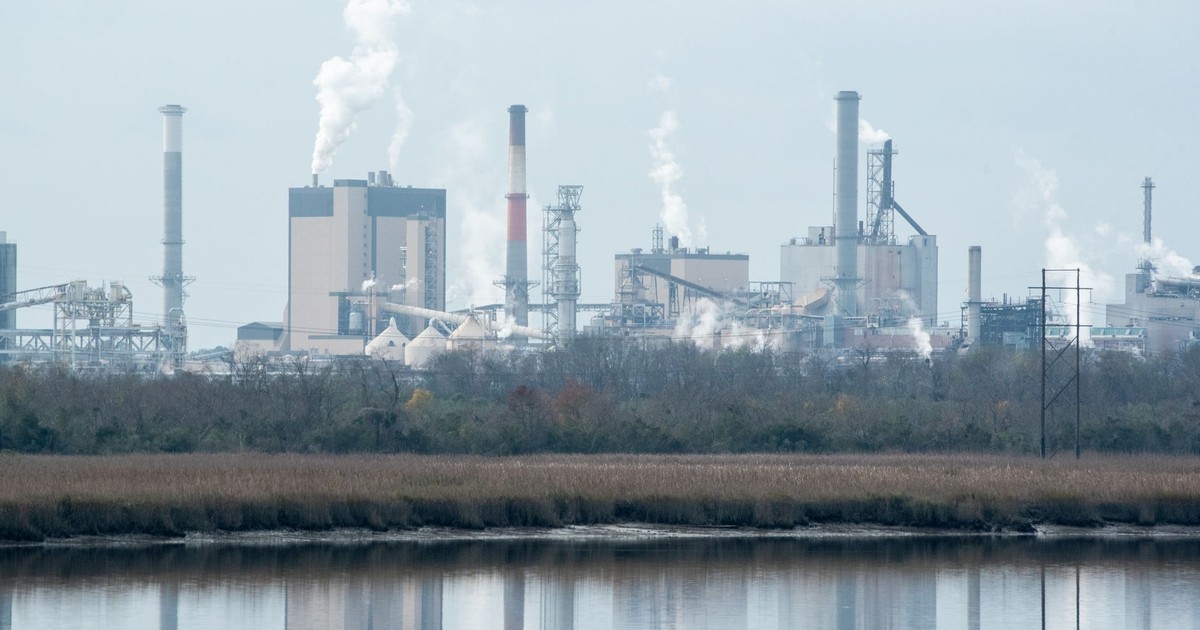
Baton Rouge carries all of Louisiana’s structural disadvantages – among the worst insurance markets in the country, poor health outcomes for seniors, high crime – with less of the cultural cachet that at least makes New Orleans feel worth the trade-offs. Louisiana’s 58% homeowners insurance rate increase from 2023 to 2025 is the largest of any U.S. state, and Baton Rouge sits squarely in that market.
Twelve of the bottom 15 states in healthcare outcomes are in the South, with a nine-year life expectancy gap separating the best and worst performers. Louisiana consistently ranks near the bottom of those healthcare tables, meaning a retiree in Baton Rouge faces significantly worse health infrastructure than peers in higher-ranked states. Mississippi’s all-cause mortality rate of 995.4 per 100,000 is 69% higher than Hawaii’s 587.8 – and Louisiana’s numbers track closely with its Deep South neighbors.
10. Jackson, Mississippi
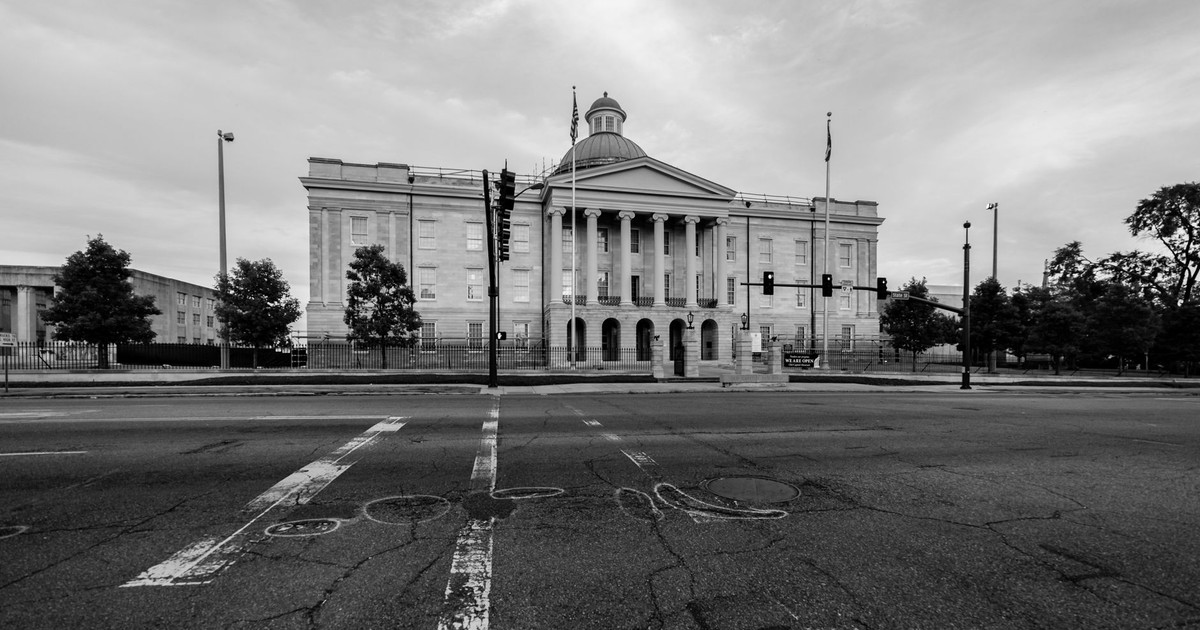
Mississippi ranks last or near-last on virtually every metric that matters to retirees: healthcare outcomes, income levels, infrastructure quality, and life expectancy. Someone living in Mississippi is 85% more likely to die from cardiovascular disease than someone in Minnesota. That’s not a marginal statistical difference – it’s a gap that traces directly to healthcare access, diet patterns, physician shortages, and decades of underinvestment in public health infrastructure.
Jackson, the state capital, adds a layer of local challenges on top of the statewide picture. The city has faced a well-documented water infrastructure crisis, significant budget pressures, and crime rates that exceed the national average. Mississippi is also vulnerable to severe weather, including hurricanes and tornadoes, and the lack of reliable healthcare and economic stability makes it a difficult choice for retirees. For a retiree who needs consistent access to specialists and reliable utilities, Jackson presents a level of systemic uncertainty that is genuinely hard to manage on a fixed income.
11. Birmingham, Alabama
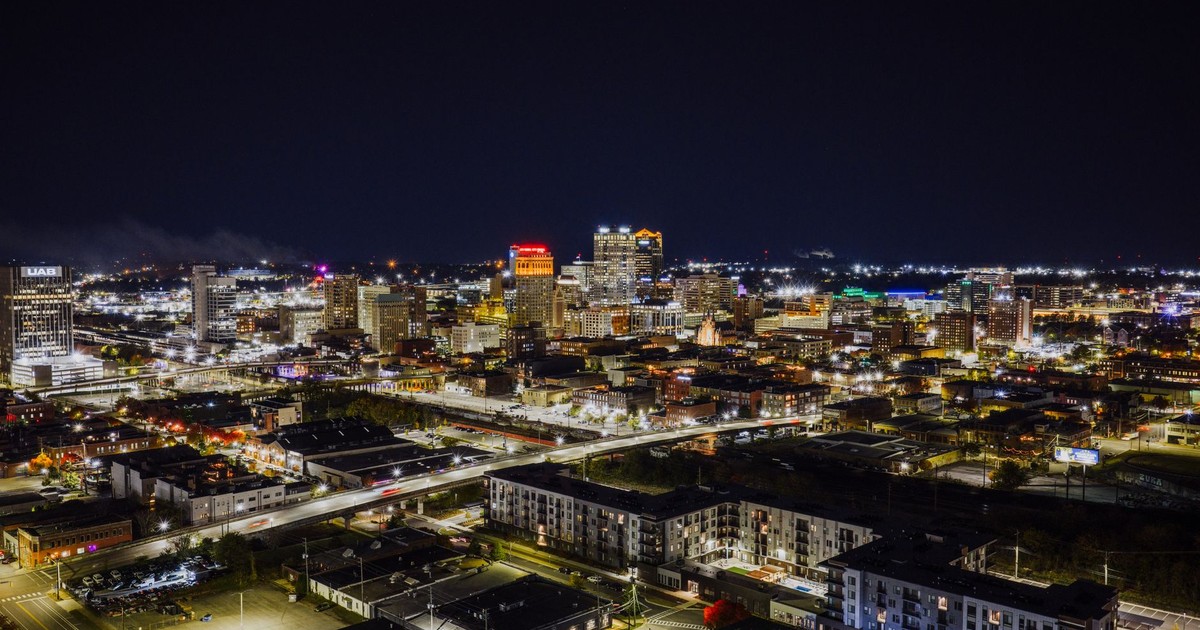
Alabama’s largest city has undergone real downtown revitalization in recent years, and its medical community – anchored by UAB Health System – is legitimately strong. Alabama consistently places among the bottom states in health outcomes, and access to primary care physicians in rural and suburban areas surrounding Birmingham is limited, meaning retirees who don’t live close to UAB’s downtown campus may find quality care harder to reach than the city’s reputation suggests. More than two-thirds of U.S. counties are designated as mental health shortage areas, and Alabama’s rural counties surrounding Birmingham are among the most underserved in the nation.
The heat risk in Birmingham is also rising. A 2024 study published in JAMA found that heat-related deaths in the United States jumped 117% from 1999 to 2023, with the Deep South among the most affected regions. Birmingham’s summers already exceed 90°F on most days from June through September, with high humidity pushing the heat index significantly higher.
12. Sarasota, Florida
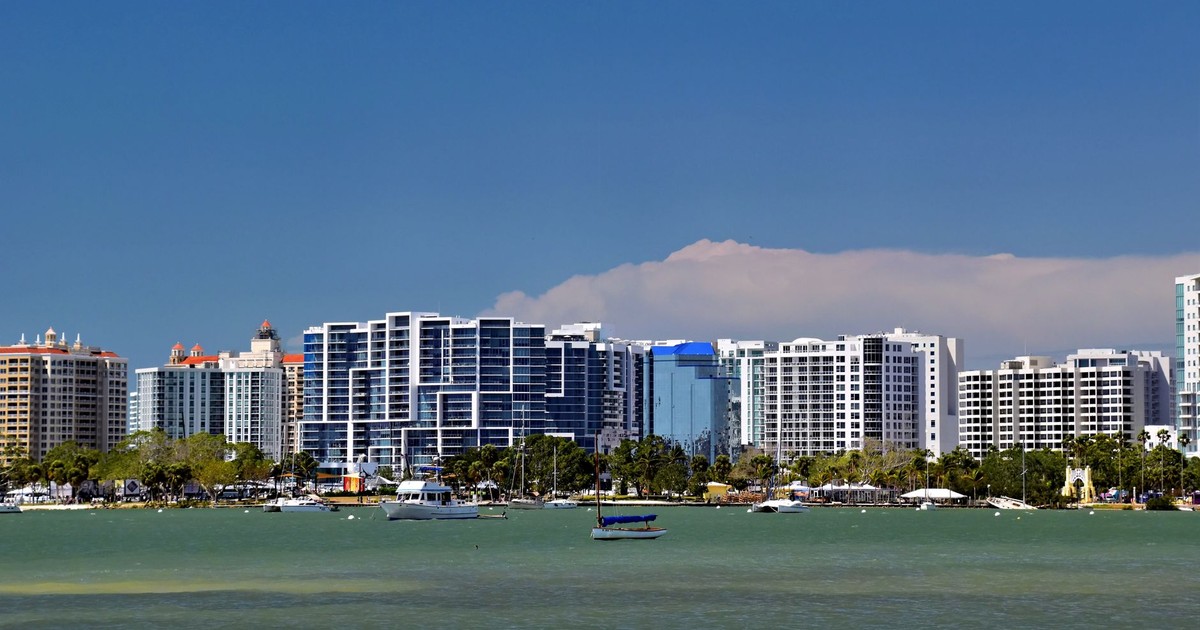
Sarasota has long been marketed as a more refined, quieter alternative to Miami or Tampa – arts scene, Gulf beaches, lower density. It sits directly in the hurricane corridor that climate data keeps flagging as increasingly dangerous, with Florida’s west coast cities including Sarasota facing high risk of significant tropical impacts during hurricane season.
Post-Hurricane Ian, the insurance market serving Sarasota and the surrounding Lee and Charlotte counties deteriorated dramatically. Years after Hurricane Ian’s devastating landfall, housing costs have spiked, largely due to soaring insurance premiums. That spike is ongoing. The average Florida homeowner pays $7,136 per year in homeowners insurance – 181% above the national average – a figure that hits Sarasota’s coastal retirees especially hard given their heightened flood and wind exposure. A retirement budget built on modest Social Security income and savings cannot comfortably absorb that kind of recurring cost alongside property taxes and regular living expenses.
Read More: Retirement Warning Signs to Watch For
The Bottom Line on Southern Retirement

Southern retirement has always involved a set of trade-offs – lower taxes, warmer weather, and affordable housing in exchange for heat, humidity, and, for coastal areas, storm risk. What’s changed is that the financial side of those trade-offs has grown dramatically heavier. Insurance markets across the Gulf and Atlantic coasts have destabilized, healthcare gaps in the Deep South remain stubbornly wide, and extreme heat is no longer a manageable inconvenience – it’s a documented mortality risk.
Nearly 33 million people already live in counties that received F grades for all three air pollution measures in the 2026 State of the Air report, with several of those counties concentrated in the South. Heat waves are associated with a substantial increase in annual mortality among older U.S. adults, with disproportionate impacts on Black communities and low-income areas – and Southern cities are ground zero for that trend.
A practical checklist before committing to any Southern city: pull current homeowners insurance quotes directly from at least three carriers, not just online estimators. Check the county’s health outcomes data through MoneyGeek’s state healthcare rankings. Review the local crime rate per 1,000 residents rather than per 100,000, which dilutes the numbers in ways that obscure how frequent crime actually is at street level. And factor in a realistic 10-year insurance cost trajectory, not today’s rate – because across the cities on this list, that number has moved in only one direction.
Disclaimer: This information is not intended to be a substitute for professional financial advice, investment advice, tax advice, or legal advice, and is provided for informational purposes only. Always seek the guidance of a qualified financial advisor, accountant, or other licensed professional regarding your personal financial situation or investment decisions. Do not make financial, investment, or tax decisions based solely on information presented here. Past performance is not indicative of future results, and all investments carry risk, including the potential loss of principal.
AI Disclaimer: This article was created with the assistance of AI tools and reviewed by a human editor.