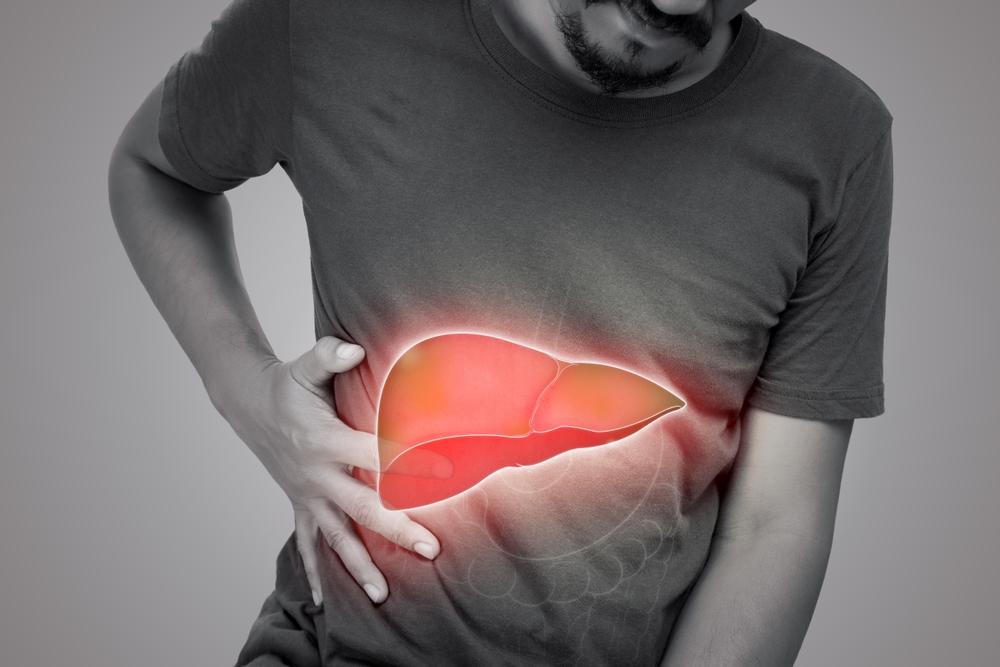

Most people checking a medication label look at the dosage directions. Few look at what’s also in the cold medicine they grabbed, the sleep aid on the nightstand, and the headache tablets they took an hour earlier – all of which may contain the same active ingredient. That overlap, not a single reckless overdose, drives most of the liver damage linked to one of America’s most trusted OTC drugs.
Drug-induced liver injury accounts for 10% of all acute hepatitis cases – and in people over 50, that figure climbs to 40%. The substances responsible aren’t always exotic or experimental. Several are sold on every pharmacy shelf, marketed as routine relief for ordinary pain and congestion. What makes them dangerous isn’t their chemistry alone – it’s how easily they can be doubled up, taken too long, or combined with alcohol without a second thought.
Over 1,000 medications can cause liver injury, with acetaminophen leading as the primary cause of acute liver failure in the US – followed closely by pain relievers and other common drug categories. The liver processes almost everything you swallow. When it’s overwhelmed, the damage can happen quietly – no dramatic symptoms, no warning pain – until blood tests flag a problem weeks later. Knowing which OTC medications carry the real risk is the first step toward protecting yourself.
1. Acetaminophen (Tylenol)
More than 50 million Americans use acetaminophen each week. It’s the most widely used drug ingredient in the US, found in more than 600 prescription and OTC medications – including allergy pills, cold medicines, cough syrups, and sleep aids. That ubiquity is precisely the problem. Acetaminophen, used as directed, is extremely safe – often even for people with liver disease. But taking too much at once, or taking a high dose over several days, can cause serious liver damage.
Overdose is the most common cause of acute liver failure, and acetaminophen is present in more than 600 medicines – so checking labels for “acetaminophen,” “acetam,” or “APAP” is essential. According to a government review on acetaminophen toxicity, acetaminophen accounts for nearly 50% of all acute liver failure cases in the United States and causes approximately 500 deaths annually. Many of those deaths result not from intentional overdose but from people unknowingly doubling up on products that all contain the same drug.
The FDA’s maximum recommended daily dose is 4,000 milligrams per day – but that ceiling drops significantly for people who drink regularly. Liver injury can occur at lower doses in people with underlying liver disease, those with poor nutrition, or other risk factors. According to Dr. Anurag Maheshwari, MD, Director of Hepatology at The Melissa L. Posner Institute for Digestive Health and Liver Disease at Mercy in Baltimore, “regular alcohol intake also increases the risk of liver toxicity from acetaminophen use, making smaller doses of acetaminophen potentially toxic.” For people with diagnosed liver disease, Mayo Clinic recommends staying under 2 grams per day in divided doses – half the standard ceiling.
The practical rule: before taking any OTC product for cold, flu, pain, or sleep, scan the label for acetaminophen and check everything else you’ve taken that day.
2. Ibuprofen (Advil, Motrin)
Ibuprofen is one of the most-used OTC drugs in the world, and most people take it without thinking twice. The liver risk is real but genuinely rare at standard doses. According to the NIH’s LiverTox database, ibuprofen is considered among the safest NSAIDs and is generally well-tolerated – but it can, in rare cases, cause clinically apparent and serious acute liver injury, particularly at high therapeutic doses.
Borderline elevations of liver enzymes occur in up to 15% of patients taking NSAIDs, though notable elevations three times above the upper limit of normal appear in only about 1% of patients. The risk rises sharply when ibuprofen is combined with alcohol. NSAIDs like ibuprofen can damage the liver especially when used often or with alcohol, and should usually be avoided by people with liver disease or those who have had a liver transplant.
According to data from NIH’s LiverTox on NSAIDs, clinically apparent liver injury from NSAIDs is rare – estimated at roughly 1 to 10 cases per 100,000 prescriptions – and typically presents as acute hepatitis within one to three months of starting the medication. More serious cases, including fatal hepatitis, have tended to present much later, sometimes after 12 to 15 months of use. That delayed timeline is what makes recognizing NSAID-related liver injury so difficult. The practical takeaway: short-term use at the label dose for otherwise healthy adults carries low risk, but long-term or high-frequency use warrants a conversation with your doctor.
3. Naproxen (Aleve)
Naproxen – sold as Aleve – is often the forgotten NSAID. It has a longer half-life than ibuprofen, meaning one dose lingers in the body longer, which can be an advantage for sustained pain relief but a complication when it comes to liver metabolism. According to the NIH’s LiverTox entry on naproxen, naproxen has been associated with rare cases of clinically apparent drug-induced liver injury, and its hepatotoxicity may arise through an idiosyncratic reaction – an unpredictable, immune-mediated response unrelated to dose.
A 2024 analysis of US Veterans Administration health records published in JAMA Internal Medicine tracked hospitalizations for acute liver injury across several common NSAIDs. Naproxen appeared at a rate of roughly 1 in 9,100 users – more frequent than ibuprofen (1 in 11,000) but less frequent than some less commonly used NSAIDs. The injury pattern can vary: naproxen has been associated with hepatocellular damage (direct liver cell injury), cholestatic injury (disrupted bile flow), and mixed presentations.
Research published in Annals of Hepatology identified ibuprofen and naproxen as the two most hepatotoxic compounds among the propionic acid class of NSAIDs. Cross-sensitivity has also been reported – meaning someone who develops liver injury on naproxen may react similarly to fenoprofen. If you’re taking Aleve regularly for chronic pain like arthritis, discuss the duration and frequency with your doctor and ask about periodic liver function monitoring.
4. Green Tea Extract Supplements
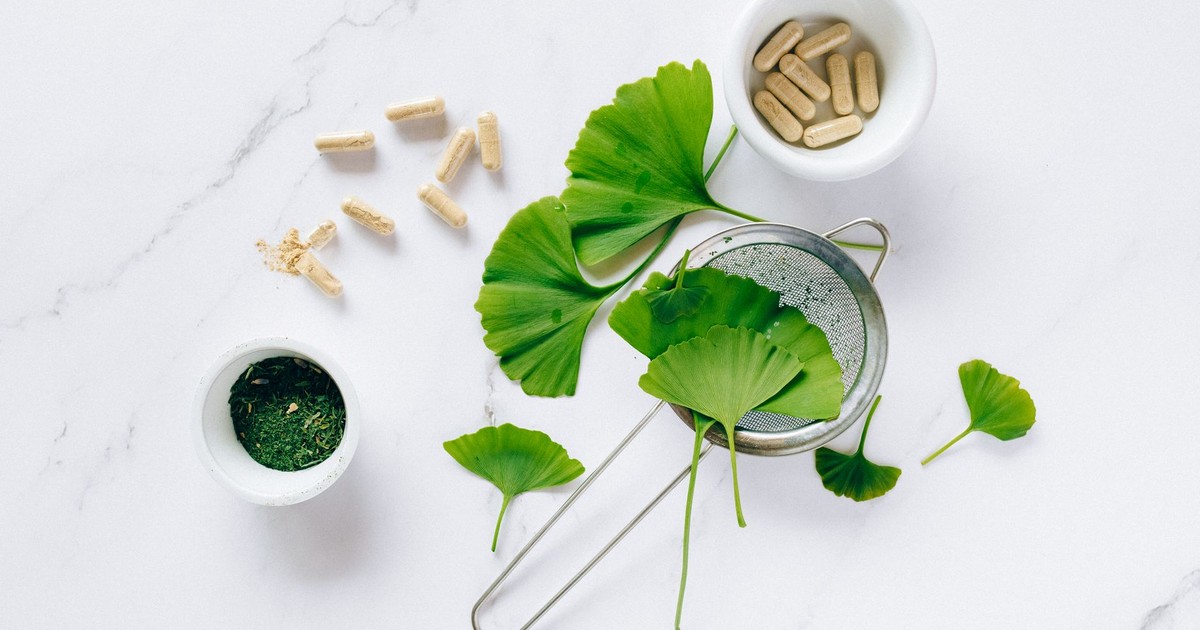
Drinking green tea is generally safe and associated with several health benefits. The problem starts when green tea is concentrated into a supplement capsule. The risk comes with concentrated green tea extract supplements, which pack far more of the active compound EGCG (epigallocatechin gallate) into a single capsule than you’d get from a cup of tea. Doses above 800 mg of EGCG per day have been shown to raise liver enzymes – a direct sign of liver cell damage.
Green tea extract is widely marketed for weight loss, energy, and antioxidant support – and it’s sold freely without a prescription in pharmacies, health food stores, and online. Green tea extract has in some cases been linked to liver injury, including rare but severe cases of acute liver failure. The mechanism is believed to involve high concentrations of catechins, which can become toxic to the liver in large amounts. The risk is not associated with drinking green tea, but with highly concentrated supplements.
A 2022 study published in the journal Liver Transplantation found that the number of US patients with herbal and dietary supplement-induced liver damage waiting for transplants increased eightfold between 1995 and 2020. Green tea extract was among the implicated products. Despite being generally perceived as safe, concentrated botanical supplements have increasingly been found to cause acute liver failure – with inadvertent hepatotoxicity in a significant proportion of cases. If you use a green tea extract supplement, check the EGCG content per serving and avoid products that exceed 400 to 500 mg per dose.
Read More: Turmeric, Green Tea, Ashwagandha, and 3 Other Herbal Supplements That Could Cause Liver Damage
5. Kava Supplements
Kava is an herbal supplement derived from the root of Piper methysticum, a plant native to the South Pacific. It’s sold in health food stores, pharmacies, and online as a natural remedy for anxiety and insomnia, and it works fast – which is part of why it’s popular. But kava carries one of the most documented liver risk profiles of any widely available OTC supplement.
According to the NIH National Center for Complementary and Integrative Health, kava has been linked to numerous case reports of liver injury worldwide, which led to regulatory restrictions in several European countries and an FDA advisory as far back as 2002. Patients generally develop a hepatocellular pattern of liver injury within six months of starting the supplement, and in severe cases, liver biopsies reveal hepatocellular necrosis and intrahepatic cholestasis. According to the NIH LiverTox entry on kava, there is convincing evidence in some cases of severe hepatitis progressing to fulminant hepatic failure, requiring liver transplantation or resulting in death.
High doses of kava may cause neurological symptoms, and clinicians have observed elevated liver enzymes in users, with case reports of serious or fatal liver toxicity. A daily dose of kava lactones not exceeding 250 mg has been proposed to reduce the risk of idiosyncratic liver injury – though the mechanism of toxicity remains poorly understood, and no threshold is considered fully safe. Mixing kava with alcohol or other sedating substances compounds the risk significantly. If you’re taking any prescription medication, speak with your doctor before adding kava to your routine.
What This Means for You

The common thread running through all five of these OTC medications and supplements is accessibility. None require a doctor’s prescription. All are marketed – implicitly or explicitly – as safe. The annual incidence of drug-induced liver injury in the general population is approximately 15 to 20 cases per 100,000 people, a figure that likely underestimates the true burden because mild liver injury often goes undetected. Caution is advised when high doses are required, and for patients with liver disease needing pain relief, acetaminophen at or under 3 grams daily is generally preferred over NSAIDs.
Two habits make the biggest practical difference. First, read every label for acetaminophen content before taking any OTC cold, flu, pain, or sleep product – and add up your daily total across all products. Second, tell your doctor about every supplement you take, including herbal products, extracts, and powders. “People think supplements cannot hurt, but they can,” Dr. Julia Adamian, an internist at NYU Langone Health, told TODAY Health. Unexplained fatigue, loss of appetite, nausea, yellowing of the skin, or dark urine while taking any OTC medication or supplement are warning signs worth acting on promptly – not watching and waiting.
Disclaimer: The author is not a licensed medical professional. The information provided is for general informational and educational purposes only and is based on research from publicly available, reputable sources. It is not intended to constitute, and should not be relied upon as, medical advice, diagnosis, or treatment. Always consult a licensed physician or other qualified healthcare provider regarding any medical condition, symptoms, or medications. Do not disregard, avoid, or delay seeking professional medical advice or treatment because of information contained herein.
AI Disclaimer: This article was created with the assistance of AI tools and reviewed by a human editor.