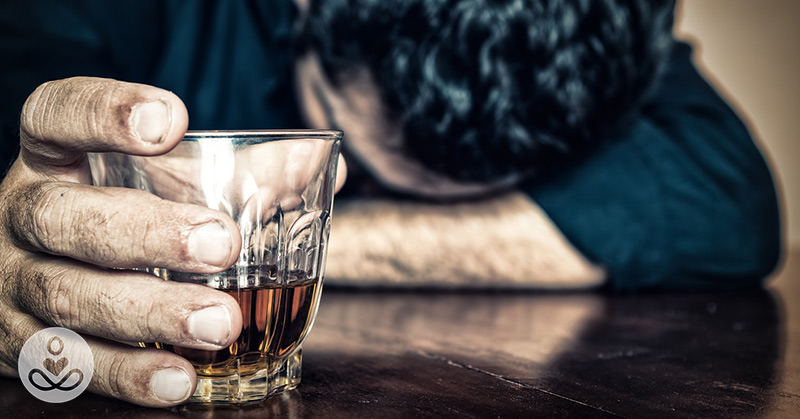

Most people assume liver damage announces itself clearly – a dramatic symptom, a sudden crisis, something undeniable. The reality is almost the opposite. The liver has no pain receptors of its own, which means it can sustain significant injury for years before producing a single sensation that points to it specifically. By the time many people connect their symptoms to their drinking, the damage is well advanced.
The gap between when alcohol starts damaging the liver and when a person feels anything is one of the most clinically underappreciated features of alcohol-associated liver disease. The disease moves through three main stages: fatty liver disease, alcoholic hepatitis, and cirrhosis. Each stage can be silent in its early phase. If you have a long-standing habit of heavy drinking, you might be doing long-term damage to your liver – and it can be serious even without symptoms.
The scale of the problem is larger than most people realize. A 2025 study in JAMA Network Open found that age-adjusted mortality rates from alcohol-associated liver disease doubled from 6.71 to 12.53 deaths per 100,000 between 1999 and 2022 – a rise that tracked decades of largely silent disease progression across the population. Daily consumption of 30 to 50 grams of alcohol for over five years can cause alcoholic liver disease – that’s roughly two to four standard drinks a day, an amount many people don’t categorize as heavy drinking.
1. Persistent Fatigue That Rest Doesn’t Fix

Persistent fatigue that doesn’t improve with rest, even after a full night of sleep, is among the earliest and most commonly overlooked alcohol liver damage signs. Most people attribute this kind of exhaustion to work, stress, or poor sleep – explanations that delay the real conversation.
When the liver is inflamed or overwhelmed by alcohol metabolism, it diverts energy away from normal cellular repair and function. The body’s mitochondria – the structures inside cells that generate energy – are directly disrupted by the process of breaking down alcohol. The result is a persistent, low-grade depletion that sleep alone cannot resolve.
Fatigue is a common early symptom when alcohol-associated liver disease does begin to produce noticeable signs. If you’re waking up tired after adequate sleep and have a history of regular or heavy alcohol use, that combination alone warrants a conversation with your doctor and a liver function blood test. Liver enzymes – specifically ALT and AST – are measurable in a standard blood panel and often show elevation long before symptoms become severe.
2. Unexplained Weight Loss and Loss of Appetite
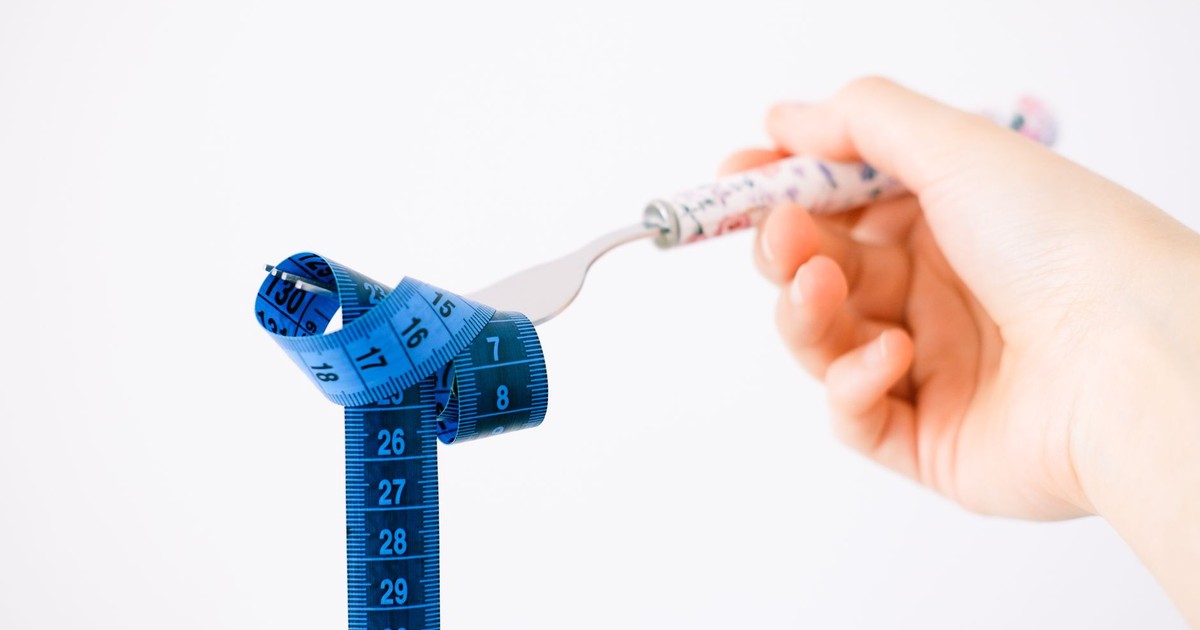
Unexplained weight loss can be a sign of liver damage. A damaged liver can disrupt metabolism, leading to weight loss, and it can also cause loss of appetite, compounding the problem further. Many people interpret unintentional weight loss as a positive development rather than a warning, which makes this one of the more persistently ignored entries on this list.
The liver plays a central role in processing nutrients – breaking down fats, regulating blood sugar, and producing bile for digestion. When it’s compromised, the whole digestive system slows down. Food becomes less appealing, caloric absorption becomes less efficient, and the body begins drawing on its own stores. A damaged liver disrupts digestion, making food less appealing and leading to sudden weight loss.
If you’re losing weight without changing your diet or activity level and you drink regularly, that’s a signal worth taking seriously. A sustained drop of five percent of body weight or more over six to twelve months – without intent – is grounds for medical evaluation, particularly when it comes alongside any other items on this list.
3. Nausea and Persistent Digestive Discomfort

The liver plays a key role in digestion. When it struggles, nausea, bloating, and vomiting can become frequent problems, especially after drinking. In the early stages of alcohol-related liver disease, these symptoms are mild enough to be written off as ordinary indigestion or a rough night.
Alcohol irritates the stomach lining directly, but the liver adds a secondary layer of disruption. As it loses its ability to produce adequate bile and regulate digestive chemistry, the gut responds with chronic low-level inflammation. Nausea that arrives without food triggers, or that persists well beyond a period of drinking, deserves attention.
Nausea that surfaces regularly over weeks, doesn’t respond to usual remedies, and arrives alongside other digestive symptoms is a different matter from a single unremarkable episode. Persistent nausea and vomiting, especially when unrelated to food, may be early signs of liver damage. If this pattern continues for more than two to three weeks in someone who drinks regularly, it warrants a liver enzyme panel.
4. Jaundice – Yellowing of the Skin and Eyes

Jaundice is one of the most visible alcohol liver damage signs, and also one of the most diagnostically significant. Jaundice is the yellowing of the skin and eyes caused by a buildup of bilirubin – a yellow pigment made when red blood cells break down. The liver normally removes bilirubin from the blood, but when it is damaged by alcohol, it can’t process bilirubin properly.
According to StatPearls, forty percent of patients with severe alcoholic hepatitis die within six months after the onset of the clinical syndrome. That figure makes jaundice one of the clearest markers that the liver has moved beyond early-stage injury. A 2023 NIAAA surveillance report confirmed that alcohol-related cirrhosis accounted for 50.3 percent of all cirrhosis deaths in the United States, underscoring how consistently alcohol-driven liver disease progresses to its most deadly forms.
The yellowing typically appears first in the whites of the eyes – a change that can be subtle in natural light but is usually apparent in photographs or bright indoor lighting. Skin discoloration follows. If you notice either, this is not a symptom to monitor at home. It requires prompt medical evaluation, including blood tests to assess bilirubin levels and liver function markers.
5. Abdominal Swelling (Ascites)

Abdominal swelling – clinically called ascites – occurs when the damaged liver can no longer produce enough albumin, a protein that helps keep fluid in the bloodstream. That fluid leaks into the abdominal cavity, causing visible bloating unrelated to eating. This is a sign of significantly advanced liver disease, not an early-stage symptom, and it demands immediate medical attention.
Swelling in the ankles and legs, known as peripheral edema – fluid retention outside the bloodstream – often accompanies ascites. The two tend to appear together because the underlying mechanism is the same: a liver that can no longer maintain the protein balance necessary to keep fluid where it belongs.
People sometimes mistake abdominal ascites for weight gain or bloating from food. The distinguishing feature is that it doesn’t fluctuate with meals, it’s not relieved by passing gas or bowel movements, and the abdomen may feel tight or heavy rather than gassy. Leg swelling that leaves a visible indentation when pressed – called pitting edema – is another indicator. Either finding in someone who drinks regularly should trigger an urgent medical appointment.
6. Dark Urine and Pale Stools
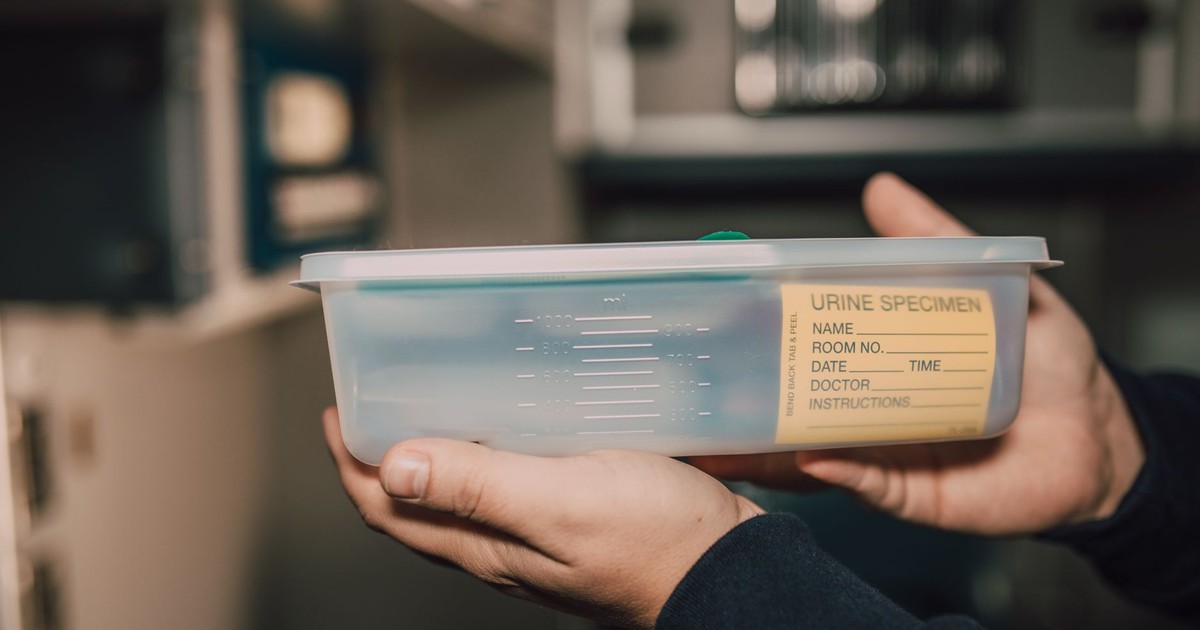
Changes in urine and stool color are direct reflections of liver function, and they’re among the more reliable physical indicators of alcohol liver damage signs that people can monitor themselves. Dark urine – the color of strong tea or cola – occurs when excess bilirubin is filtered by the kidneys instead of being processed by the liver. Pale or clay-colored stools indicate that bile, which the liver produces and which gives stool its normal brown color, is not reaching the digestive tract in adequate amounts.
The liver’s role in bile production connects directly to stool color. When liver function is impaired, bile flow is reduced or blocked, and stool loses its pigment. These two changes – dark urine and pale stools – are often present together in cases of significant liver disease, because both stem from the same failure in bilirubin processing. They can also accompany jaundice, forming a trio of visible signs that the liver is under serious stress.
Neither symptom is ambiguous once you know what to look for. If you’re drinking regularly and notice that your urine has darkened significantly or your stools are consistently pale, get a liver function panel. These are quick, inexpensive blood tests that most primary care providers can order in a single appointment.
7. Cognitive Changes and Confusion (Hepatic Encephalopathy)

Research published in the Journal of Hepatology found that among people aged 25 to 34, alcohol-related liver disease mortality rates rose from 0.5 to 3.3 per 100,000 between 1999 and 2022 – the highest increase of any age group tracked in the study. One of the reasons cirrhosis is so dangerous is what it does beyond the liver. When the liver can no longer filter toxins from the blood, those toxins – including ammonia – cross into the brain. The result is a condition called hepatic encephalopathy (HE), which is essentially brain dysfunction driven by liver failure.
Symptoms of HE range from subtle to severe. Early signs include difficulty concentrating, personality changes, mild confusion, and disrupted sleep patterns. More advanced stages involve disorientation, slurred speech, and in serious cases, loss of consciousness. Cirrhosis caused by alcohol cannot be reversed, though abstinence can prevent additional scarring. Any cognitive changes appearing alongside a history of heavy alcohol use should be assessed by a physician promptly, because the window for preventing further damage narrows as disease progresses.
Hepatic encephalopathy is not a disease of old age or decades of drinking. For anyone in that younger demographic experiencing unexplained cognitive changes alongside regular alcohol use, the liver should be part of the conversation. If you’re also noticing that typical liver-protective habits aren’t making a dent in how you feel day-to-day, that’s another reason to seek blood work rather than wait for symptoms to worsen.
Read More: This Is How Long It Takes Your Liver to Return to Normal From Drinking
What to Do Now

The liver is a forgiving organ – up to a point. In the fatty liver stage, stopping alcohol consumption for as little as two weeks can allow the liver to return to normal function, according to research published in Alcohol Research: Current Reviews. That reversibility disappears as the disease advances. Acetaldehyde – the toxic byproduct produced when the liver metabolizes alcohol – directly damages liver cells, and the accumulation of that damage over time is what drives the progression from fatty liver to hepatitis to cirrhosis.
NIAAA surveillance data show that in 2023, alcohol-related cirrhosis accounted for 50.3 percent of all cirrhosis deaths in the United States – a figure that reflects how consistently this disease progresses when signs go unaddressed. If you drink regularly and recognize any of the seven signs above – even just one – the next step is a liver function panel. It’s a routine blood test that costs little and takes minutes to collect. Ask your doctor specifically for ALT, AST, GGT, bilirubin, and albumin levels. Those five markers together give a detailed picture of how your liver is managing. Women are more susceptible than men to alcohol-related liver injury due to lower body water content and lower levels of the enzyme that breaks down alcohol in the stomach – meaning women often reach the same level of liver damage at lower consumption levels and in shorter timeframes. That biology makes early testing especially important for women who drink regularly, even in amounts traditionally considered moderate.
Disclaimer: The author is not a licensed medical professional. The information provided is for general informational and educational purposes only and is based on research from publicly available, reputable sources. It is not intended to constitute, and should not be relied upon as, medical advice, diagnosis, or treatment. Always consult a licensed physician or other qualified healthcare provider regarding any medical condition, symptoms, or medications. Do not disregard, avoid, or delay seeking professional medical advice or treatment because of information contained herein.
AI Disclaimer: This article was created with the assistance of AI tools and reviewed by a human editor.