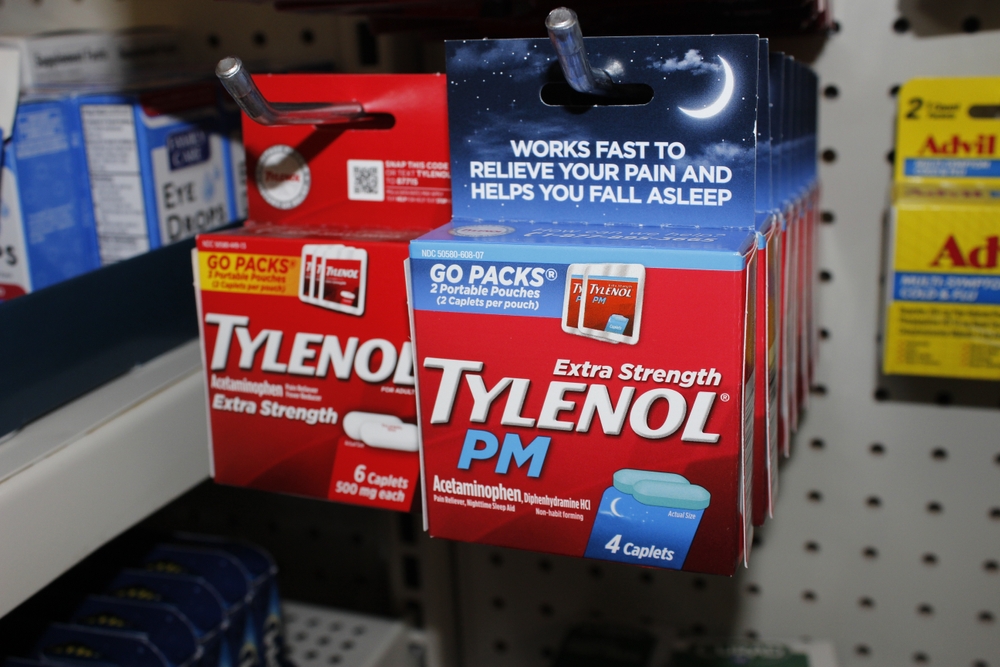

The medical community has been raising alarms about this combination for years, but the warnings haven’t translated into widespread public awareness. Dr. Lee F. Peng, MD, PhD, chief of gastroenterology and hepatology at Hackensack Meridian Jersey Shore University Medical Center, is among the hepatologists urging the public to take this more seriously. The concern isn’t theoretical.
Roughly 30% of American adults reach for acetaminophen – the active ingredient in Tylenol – on any given week. A substantial number of them also drink alcohol, sometimes on the same day. The two habits seem unrelated. They’re not.
The liver doesn’t distinguish between a pain reliever taken for a backache and a glass of wine at dinner. Both substances arrive at the same organ, processed by overlapping biochemical machinery, and when they compete for that machinery at the same time, something changes in the chemistry – and the consequences can be severe enough to land a person in the emergency room.
Why the Liver Is the Problem

The liver is responsible for breaking down both acetaminophen and alcohol, and excessive consumption of both together can have dangerous side effects. Under normal conditions, the liver handles acetaminophen efficiently. Acetaminophen is metabolized in two ways: roughly 90% of the drug is processed through a pathway called glucuronidation, which produces no dangerous byproducts. The remaining fraction takes a different route. Liver enzymes, including one called CYP2E1, break down around 8% of the drug – and this process produces a toxin called NAPQI. In response, the liver produces an antioxidant called glutathione to remove the toxin before it can build up and cause damage.
When alcohol enters the picture, it increases the activity of CYP2E1, which means more NAPQI gets produced from the same dose of acetaminophen. At the same time, alcohol depletes the very glutathione stores needed to neutralize that extra toxin. Acetaminophen is generally safe at the proper dosage, but according to StatPearls at the NIH, more than 4,000 milligrams per day can cause acute liver failure – and people with liver conditions or those who drink alcohol face even greater risk.
Acetaminophen-induced hepatotoxicity – toxic liver damage caused by the drug – is the most common cause of acute liver failure in the United States, accounting for around 56,000 emergency department visits per year, according to the same NIH review.
What Alcohol Does to the Liver’s Defenses

The danger with combining tylenol and alcohol isn’t just about what happens during a single instance of drinking. Chronic alcohol use fundamentally changes how the liver handles acetaminophen. A study published in the journal Toxicology and Applied Pharmacology found that chronic ethanol feeding selectively depleted mitochondrial glutathione in the liver by around 52% – the same antioxidant the liver relies on to neutralize NAPQI. That depletion affects the liver’s ability to handle acetaminophen safely even between drinking episodes.
Dr. Neha Jakhete, MD, a gastroenterologist and hepatologist with the University of Maryland Medical System, notes that the risks of combining Tylenol and alcohol are greatest for people with cirrhosis because their glutathione levels are already lower. But the risk isn’t limited to people with diagnosed liver disease. Regular moderate drinking can compromise the liver’s protective capacity well before any clinical diagnosis appears.
The biochemical sequence is precise and damaging. NAPQI – the free unconjugated toxic metabolite – reacts with proteins in liver cells, generating what are called NAPQI-protein adducts that lead to mitochondrial dysfunction and cell death. When glutathione is depleted to the point that it can no longer neutralize NAPQI, those protein adducts accumulate. The average healthy adult can tolerate up to 4,000 milligrams of acetaminophen in 24 hours, but alcohol use or liver changes can lower that limit for safe use.
The signs of liver stress from this combination often go unnoticed until real damage has already occurred.
The FDA Warning Most People Have Never Read
Every acetaminophen product label is required by the FDA to carry a liver warning stating that severe liver damage may occur if an adult consumes three or more alcoholic drinks every day while using the product. That threshold – three drinks per day – is lower than most people think of as “heavy” drinking. For regular social drinkers, it’s not a hard ceiling to reach.
People with existing liver problems are advised to cap acetaminophen intake at 2,000 milligrams daily – half the standard maximum. That 2,000 mg ceiling amounts to just four regular-strength Tylenol tablets across an entire day, which could be reached easily by someone who doesn’t realize how many products contain acetaminophen.
Acetaminophen is often compounded with other cold and pain remedies, including NyQuil and Percocet, and all of these products contribute to the total safe dose of acetaminophen – even if someone is also taking standard Tylenol as directed. The FDA reports that acetaminophen is found in over 600 medications, including cold and flu treatments. Taking a headache tablet in the morning, a cold capsule in the afternoon, and a sleep aid at night can push someone over the safe daily limit without them realizing it.
The Scale of the Problem

The liver is the body’s primary detoxification organ, responsible for processing Tylenol, alcohol, medications, and environmental toxins. When two substances that both challenge the liver arrive together, the results can escalate quickly.
Dr. Peng notes that liver injury can also occur when someone consistently exceeds the maximum recommended dose over consecutive days, even if each individual dose is not extreme – and it can happen at lower doses in people with underlying liver disease or poor nutrition.
Transplant hepatologist Christina Lindenmeyer, MD, at the Cleveland Clinic, has explained that the biggest risk of combining alcohol and Tylenol is liver failure. A 2026 review in StatPearls confirms that acetaminophen toxicity accounts for approximately 50% of all acute liver failure cases in the United States and roughly 20% of liver transplants. Once liver failure develops, the outcome is grim. Severe liver damage can occur in people who take more than four grams of acetaminophen in 24 hours – and that threshold is considered conservative, because when taken with alcohol, even two grams can cause problems.
Approximately 50% of acetaminophen poisoning cases are unintentional overdoses – not deliberate misuse, but the product of taking multiple products simultaneously without tracking total dosage, according to the same NIH review.
Read More: Doctor Warns Popular Use of Tylenol PM Citing Possible Organ Failure
What to Do Now

Even regular, moderate alcohol use can impact the liver’s ability to handle medications, including acetaminophen. For people who drink, the safest approach is to avoid taking acetaminophen on the same day as drinking alcohol. For people who drink regularly, that means taking a closer look at the pain relief options available and discussing alternatives – including ibuprofen for short-term use in otherwise healthy adults – with a doctor or pharmacist.
Checking labels is non-negotiable. Tylenol is available in many different dosage forms and in combination products found over the counter, and keeping track of how much acetaminophen is consumed each day requires checking every product label. Cold medicines, flu remedies, sleep aids, and prescription combination painkillers can all add to the daily total without any single product appearing to be the problem.
For people with cirrhosis, Dr. Jakhete recommends taking only half of the recommended Tylenol dose to avoid overtaxing the liver. For anyone who drinks three or more alcoholic drinks per day, the FDA’s own labeling standard requires a liver warning – and that warning deserves to be read as the direct clinical guidance it is, not a legal formality on the back of a box. The liver can recover from a great deal, but acetaminophen toxicity combined with chronic alcohol use gives it less margin to do so.
Disclaimer: The author is not a licensed medical professional. The information provided is for general informational and educational purposes only and is based on research from publicly available, reputable sources. It is not intended to constitute, and should not be relied upon as, medical advice, diagnosis, or treatment. Always consult a licensed physician or other qualified healthcare provider regarding any medical condition, symptoms, or medications. Do not disregard, avoid, or delay seeking professional medical advice or treatment because of information contained herein.
AI Disclaimer: This article was created with the assistance of AI tools and reviewed by a human editor.