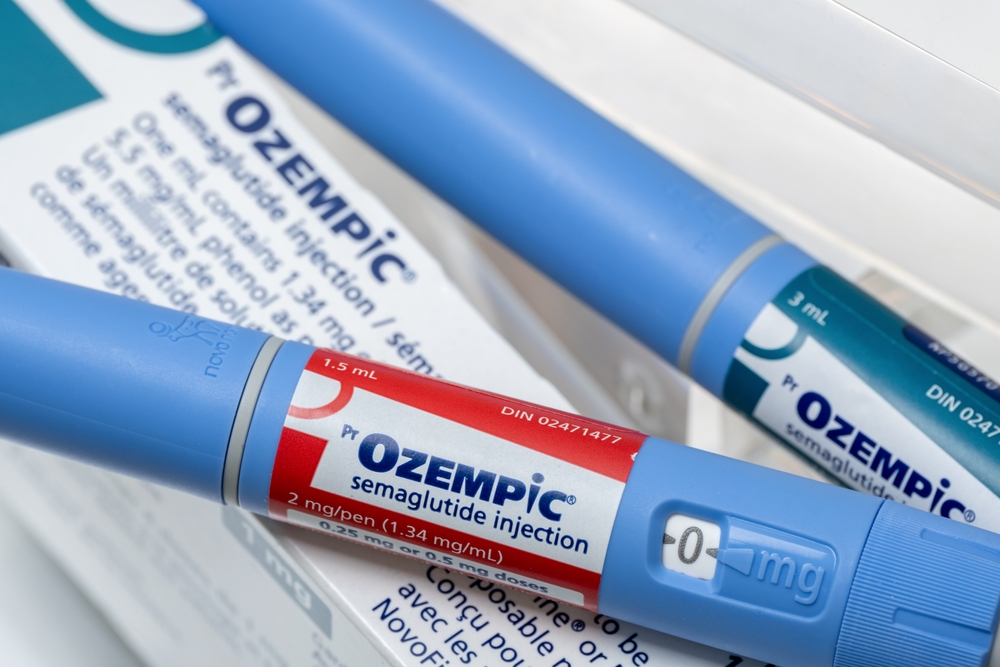

The drugs at the center of this are familiar by now: semaglutide, sold as Ozempic and Wegovy, and tirzepatide, sold as Mounjaro and Zepbound. They belong to a drug class called GLP-1 receptor agonists – medications that mimic a gut hormone to slow digestion, suppress appetite, and lower blood sugar. They work remarkably well. In a head-to-head trial, tirzepatide produced an average of 20.2% body weight loss at 72 weeks compared to 13.7% with semaglutide. For millions of people managing obesity and type 2 diabetes, those numbers represent life-changing improvement. But the scale of adoption – and the speed at which these drugs have moved from specialist clinics into routine primary care – has outpaced the public conversation about risks that go well beyond nausea and a queasy stomach.
The nausea is real, and common. The most frequently reported Mounjaro side effects include nausea, diarrhea, decreased appetite, vomiting, constipation, indigestion, and abdominal pain. Most people know this going in. What fewer patients know – and what several regulatory bodies have now formally flagged – are the side effects that don’t make the short summary on the prescription information sheet. The warnings issued in 2025 and 2026 cover everything from sudden vision loss to serious kidney injury to measurable muscle wasting. Each carries its own level of evidence, its own risk profile, and its own practical guidance for anyone currently on these medications.
The Vision Warning No One Saw Coming
In June 2025, the World Health Organization alerted healthcare professionals and regulatory authorities to the risk of a rare optic nerve condition called non-arteritic anterior ischemic optic neuropathy, or NAION, associated with semaglutide medications including Ozempic, Rybelsus, and Wegovy. The WHO advised patients using semaglutide to seek medical care immediately if they experience sudden vision loss or rapidly worsening eyesight.
NAION occurs when blood flow to the optic nerve is blocked, causing sudden, painless loss of vision in one eye. It is not a condition most people have heard of, and it’s not reversible. The European Medicines Agency’s Pharmacovigilance Risk Assessment Committee concluded that NAION should be listed as a very rare side effect of semaglutide medications after reviewing clinical trials, post-marketing surveillance, and published medical literature, estimating it may affect up to 1 in 10,000 people taking the drug.
The UK’s Medicines and Healthcare products Regulatory Agency issued its Drug Safety Update on February 5, 2026, noting that NAION has been very rarely reported in association with semaglutide across its uses for type 2 diabetes, weight management, and cardiovascular risk reduction, and advising that patients who report sudden vision loss should be urgently referred for ophthalmological examination.
The vision picture for these drugs is complicated by separate research on the eyes. The SUSTAIN-6 trial, published in the New England Journal of Medicine, had already flagged that semaglutide was associated with complications of retinopathy, including vitreous hemorrhage, with a hazard ratio of 1.76 in some patients with existing diabetic eye disease. However, a 2026 retrospective study from Cleveland Clinic found no association between GLP-1 use and worsening retinopathy in diabetic patients who were monitored carefully. The retinopathy signal may reflect rapid blood sugar improvement rather than direct drug toxicity – a distinction that matters for how risk is managed. Regardless, any sudden change in vision while taking semaglutide warrants an urgent ophthalmology appointment, not a wait-and-see approach.
Mounjaro Side Effects Below the Waist: Kidneys and the Dehydration Chain
As of May 2026, more than 4,400 lawsuits involving GLP-1 medications are pending in federal court against manufacturers Novo Nordisk and Eli Lilly, with litigation centered on allegations that drugs including Ozempic, Wegovy, Mounjaro, Zepbound, and Rybelsus caused serious side effects including gastroparesis, bowel obstruction, and vision loss.
Gastroparesis – meaning a partial or full paralysis of the stomach that prevents it from emptying normally – sits at the center of much of that litigation. Some people on these drugs have reported severe gastrointestinal issues, including gastroparesis, also described as delayed gastric emptying. A 2023 observational study reported by WebMD found GLP-1 users were more than three-and-a-half times more likely to develop stomach paresis compared to people taking other weight-loss medications. The same 2023 data suggested users were nine times more likely to experience pancreatitis – a figure that has since been challenged by more rigorous research. A 2026 meta-analysis of 31 placebo-controlled randomized trials found a pooled odds ratio for acute pancreatitis of 0.99, indicating no meaningful increased risk with semaglutide or tirzepatide versus placebo. The earlier observational data likely reflected confounding from pre-existing conditions rather than a causal drug effect.
The dehydration that follows severe vomiting and diarrhea creates a downstream risk that regulators have been explicit about. The UK’s MHRA issued warnings about severe dehydration in people taking GLP-1 injections, with some cases severe enough to require hospital treatment. The FDA added a new warning in 2025 about serious kidney injury caused by dehydration due to gastrointestinal adverse effects. The kidneys depend on adequate blood volume to filter properly. When nausea, vomiting, and diarrhea reduce fluid intake over days, kidney function can deteriorate quickly – sometimes requiring hospitalization. Analysis through September 2025 of FDA adverse event data found lower reporting frequency for acute kidney injury with tirzepatide versus semaglutide, suggesting some variation between the two drugs, though both carry the risk. Anyone on these medications who can’t keep fluids down for more than 24 hours should seek medical attention before dehydration compounds into a kidney problem.
What’s Happening to Muscle – and Why It’s More Complicated Than It Sounds
The side effect generating the most clinical discussion in 2026 isn’t a dramatic acute event. It’s a slower, less visible process: the loss of muscle mass during rapid weight loss.
Clinical trial data shows that semaglutide users lost 10% or more of their muscle mass in 68-72 week studies – roughly equivalent to two decades of normal age-related muscle decline compressed into less than two years. A 2026 pharmacovigilance study published in a peer-reviewed journal found that semaglutide and tirzepatide showed the strongest associations with muscle atrophy among the GLP-1 class.
Weight loss is inherently associated with reductions in both fat mass and lean mass. These changes reflect physiological adaptations to negative energy balance and occur across different weight loss strategies, with lean mass changes influenced by the magnitude and rate of weight loss, baseline muscle mass, dietary protein intake, age, and physical activity levels. Some muscle loss during caloric restriction is expected regardless of whether a drug is involved – but the speed and depth of weight loss on GLP-1 drugs can make that loss more significant than it would be through diet alone.
For adults over 65, muscle loss can contribute to sarcopenia (age-related muscle decline) and increase the risk of falls, frailty, and reduced independence. For people in this group who are otherwise managing well on these medications, the muscle question is arguably the most important long-term consideration their prescribers should be addressing.
Adequate protein intake is one of the most effective ways to support muscle during weight loss. Protein provides the building blocks needed to maintain and repair muscle tissue, and when calorie intake is reduced – as it often is with GLP-1 medications – protein needs may increase. For individuals actively losing weight, many researchers recommend 1.2 to 1.6 grams of protein per kilogram of body weight per day, which is higher than the general recommended dietary allowance of 0.8 g/kg/day. Resistance training three or more times per week further protects lean mass and is now a standard recommendation from clinicians monitoring patients on these drugs. You can read more about the structural effects of rapid GLP-1-driven weight loss in this Hearty Soul piece on what orthopedic surgeons are observing.
The Thyroid Warning – and What the Evidence Actually Shows
Every GLP-1 medication approved in the US carries a boxed warning – the most serious category the FDA uses – for medullary thyroid carcinoma (MTC), a rare type of thyroid cancer. This warning exists because rodent studies showed thyroid C-cell tumors at high drug doses. The best available human evidence, however, does not demonstrate that GLP-1 receptor agonists cause common thyroid cancers. Medullary thyroid carcinoma is distinct from the more common papillary and follicular thyroid cancers, and the human data has not replicated the rodent signal. The boxed warning remains in place as a precaution, and the drugs are still contraindicated in people with a personal or family history of MTC or a genetic condition called multiple endocrine neoplasia type 2. If you have that history, this is a direct conversation to have with your doctor before starting these medications.
The Compounding Problem: When the Drug Isn’t What It Says
A significant proportion of people taking what they believe is semaglutide or tirzepatide may not be getting the FDA-approved product at all. The FDA sent over 50 warning letters to GLP-1 drug compounders and manufacturers in September 2025 for making false claims that compounded products are equivalent to FDA-approved drugs. Compounded versions, produced by pharmacies that mix their own formulations, are not subject to the same manufacturing standards and are not FDA-reviewed for safety, purity, or potency.
The adverse event data from these products has been stark. The FDA received more than 455 adverse event reports linked to compounded semaglutide and more than 320 reports for compounded tirzepatide, many involving dosing errors. Dosing errors with drugs this potent can lead to severe vomiting, hypoglycemia (dangerously low blood sugar), and dehydration serious enough to require hospitalization. If you’re sourcing your GLP-1 medication through an online-only clinic or a provider who isn’t connected to a major pharmacy chain, it’s worth confirming the product is the genuine FDA-approved version.
What Happens When You Stop
For people weighing whether to start or continue these medications, the weight regain data after stopping is one of the most important – and least discussed – numbers in the clinical literature. After one year of treatment withdrawal, participants regain approximately 60% of the weight they lost. This pattern reflects how the body actively fights to restore lost weight through hormonal and metabolic mechanisms – which means these medications function more like ongoing treatments than one-time interventions. Anyone planning to stop should do so gradually and in consultation with their prescriber, with a structured plan for maintaining as much of the metabolic benefit as possible.
Read More: The Disturbing Reality to What Happens to Your Body Once You Quit Ozempic
What This Means for You
For people with obesity and type 2 diabetes, the cardiovascular, metabolic, and even cancer-risk benefits of GLP-1 medications are substantial and well-documented. What 2025 and 2026 have made clearer is that the benefit calculation requires knowing the full risk picture, not just the one on the package insert.
The most actionable steps for current users: report any sudden vision changes – particularly painless vision loss in one eye – to a doctor immediately and request an ophthalmology referral. If severe vomiting or diarrhea prevents normal fluid intake for more than a day, seek care before dehydration escalates to a kidney problem. Prioritize protein intake in the range of 1.2 to 1.6 grams per kilogram of body weight daily, and add resistance training if you haven’t already. If you’re sourcing these medications anywhere other than a licensed retail pharmacy dispensing a named, FDA-approved product, verify what you’re actually taking. And if you have any personal or family history of medullary thyroid carcinoma, that conversation with your prescriber should happen before the next dose, not after.
Disclaimer: The author is not a licensed medical professional. The information provided is for general informational and educational purposes only and is based on research from publicly available, reputable sources. It is not intended to constitute, and should not be relied upon as, medical advice, diagnosis, or treatment. Always consult a licensed physician or other qualified healthcare provider regarding any medical condition, symptoms, or medications. Do not disregard, avoid, or delay seeking professional medical advice or treatment because of information contained herein.
AI Disclaimer: This article was created with the assistance of AI tools and reviewed by a human editor.