
Nearly one in five avocados tested by federal investigators came back positive for Listeria on the skin. That’s a figure from a multi-year FDA surveillance study on more than 1,600 fresh avocado samples. Most people eating avocados every week have no idea.
The instinct to skip washing makes a certain kind of sense. The peel is thick, leathery, and almost prehistoric-looking – more armor than skin. Nobody eats it. So the reasoning goes: why bother? The answer has everything to do with what happens the moment a knife passes through that peel and into the flesh below.
The one thing food safety experts are consistently pushing people to do – wash avocados before eating or cutting them – takes about 30 seconds. Yet the gap between how often it’s recommended and how often it’s actually done is enormous. Here’s why those 30 seconds matter more than most people realize.
1. The Skin Carries Far More Bacteria Than the Flesh
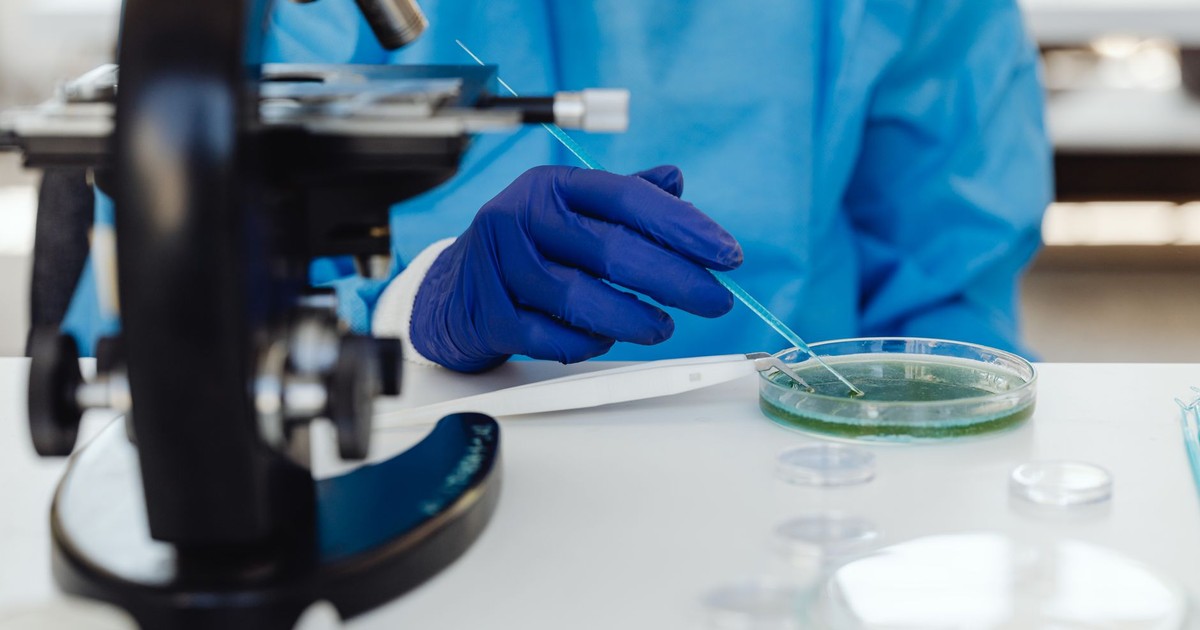
The FDA collected 1,615 samples of avocados to test for the prevalence of Salmonella and Listeria monocytogenes. The overall prevalence of Salmonella across all samples was 0.74%, while Listeria monocytogenes was found in 17.73% of avocado skin samples tested. By contrast, of the 1,254 avocado pulp samples, only 3 – far less than one percent – were positive for Listeria monocytogenes.
That gap between skin and pulp contamination rates tells you exactly where the problem starts. The FDA primarily tested the pulp of the avocado samples, since the pulp is the part of the fruit people eat, and tested some samples of the fruit’s skin separately. The skin contamination rate being so much higher than pulp contamination is not a reassurance – it’s a warning. The two surfaces are separated by a knife stroke.
In 2014, the FDA adopted a new proactive sampling program to learn more about how frequently common environmental pathogens like Salmonella and Listeria monocytogenes are present in selected foods. According to the CDC, there were 12 outbreaks of foodborne illness related to avocado, avocado products, or guacamole from 2005 to 2015, resulting in 525 illnesses and 23 hospitalizations. The practical takeaway: the peel is not a protective wrapper – it’s a surface that needs cleaning before you touch it with a blade.
2. Cutting Transfers Bacteria Directly Into the Flesh You Eat
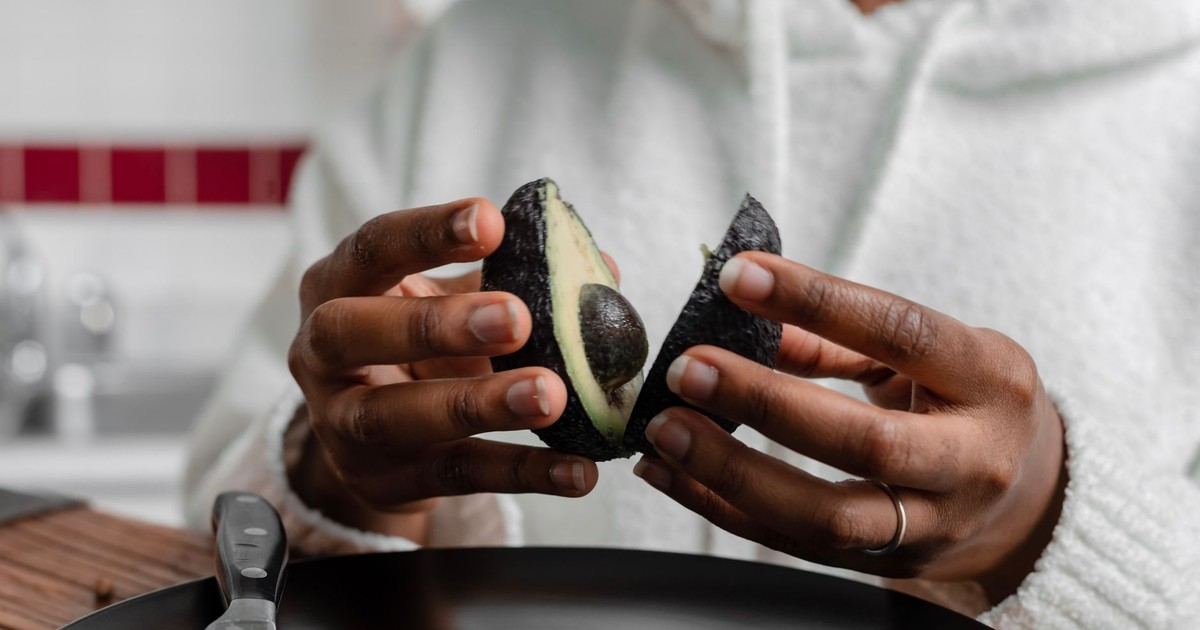
The mechanism here is straightforward and easy to visualize. When a knife blade contacts bacteria on the outer skin and then continues moving through the fruit, it carries whatever was on the surface directly into the edible pulp. A 2026 study published in Food Control confirmed that Listeria and Salmonella on avocado skins were transferred to the pulp after cutting.
The problem doesn’t stop there. Listeria grew on avocado pulp at refrigeration temperature after being transferred from the skin, highlighting the potential public health risk even when initial contamination is minimal.
The FDA’s findings affirm that Salmonella may be present on avocados and that Listeria monocytogenes may be present on or in the fruit. The act of peeling or cutting is itself the contamination event – and it happens inside your kitchen, with tools that then touch your cutting board, your hands, and whatever else you’re preparing. Washing before you cut is the only step that interrupts that chain.
3. The Pathogens Found on Avocados Are Genuinely Dangerous
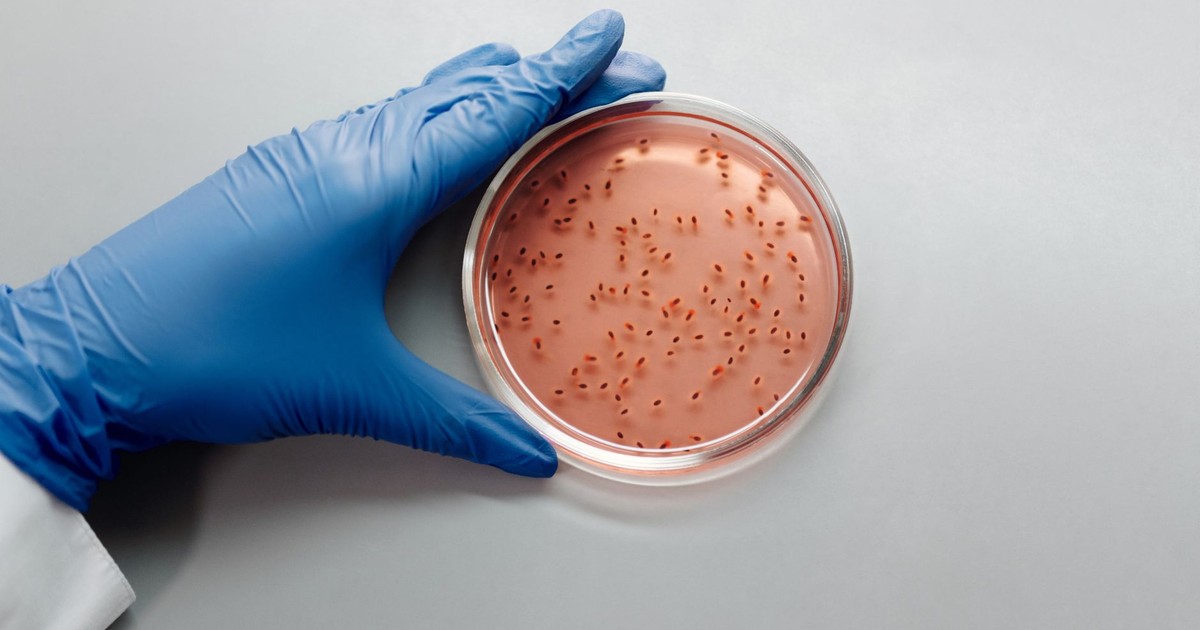
Listeria monocytogenes – the bacterium found on nearly 18% of avocado skins – is not a minor stomach bug. According to the CDC, approximately 800 laboratory-confirmed cases are reported annually, but estimates including undiagnosed cases put the true number at around 1,250 per year, with about 172 deaths. Unlike many foodborne pathogens, Listeria does something most others cannot: it keeps growing in your refrigerator. Cold temperatures don’t stop it.
In healthy children and non-pregnant adults, Listeria can cause mild intestinal illness that rarely becomes serious. But in pregnant individuals and those with weakened immune systems, listeriosis can cause invasive illness, where the bacteria spread beyond the gut. For pregnant women specifically, Listeria infection during pregnancy can lead to miscarriage, stillbirth, premature delivery, or neonatal infection.
Salmonella, also detected on avocado samples, causes significant illness in the US, and FoodSafety.gov advises consumers to wash all produce before cutting into it or eating. Between 2000 and 2020, at least 14 avocado-associated foodborne outbreaks were recorded, resulting in over 200 illnesses – a record that positions avocados as a more significant food safety concern than their clean, wholesome image suggests. The Colorado State University Food Safety Initiative documented these outbreaks in a review of avocado-related contamination events.
4. How to Wash Avocados Before Eating – the Right Way
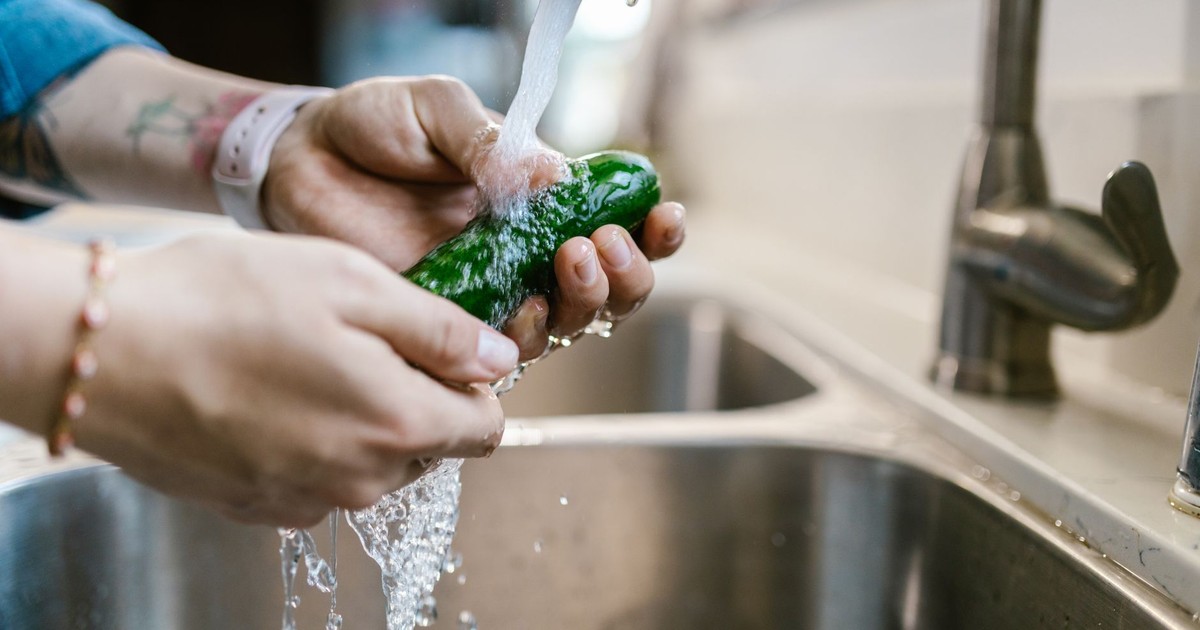
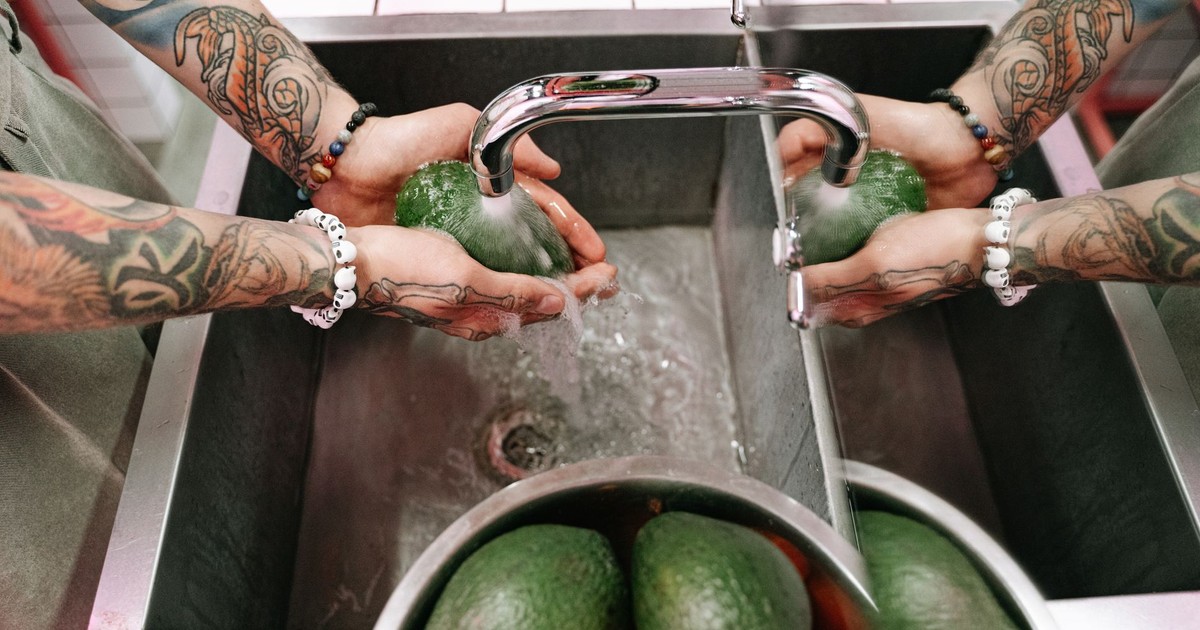
The good news is that the correct washing method requires nothing complicated. No produce wash, no soap, no vinegar soak. Rinsing whole avocados under running water, scrubbing them to remove any dirt or bacteria, and then drying them with a clean towel before cutting is the recommended approach.
The FDA goes a step further and recommends using a clean produce brush – a firm-bristled brush designed for scrubbing firm fruits and vegetables – on the skin before cutting. The bumpy surface of avocado skin creates recesses where bacteria can lodge, and rubbing by hand alone may miss them. A brush gets into the texture more effectively. After scrubbing, drying matters too: moisture on avocado skin promotes bacterial growth, so letting the fruit sit wet after washing can work against you. Dry with a clean paper towel immediately after rinsing.
Timing also matters. Washing before eating is the obvious step, but washing as soon as you get home from the store reduces the risk of cross-contamination in your kitchen – bacteria on an unwashed avocado can transfer to your fruit bowl, refrigerator shelf, or produce drawer. For avocados you’re not using right away, a quick scrub under cool running water followed by thorough drying before refrigerating is the safest approach. You can also check out food safety tips for handling produce once they’re clean and ready.
5. Avocados’ Clean Reputation Doesn’t Mean They’re Off the Hook
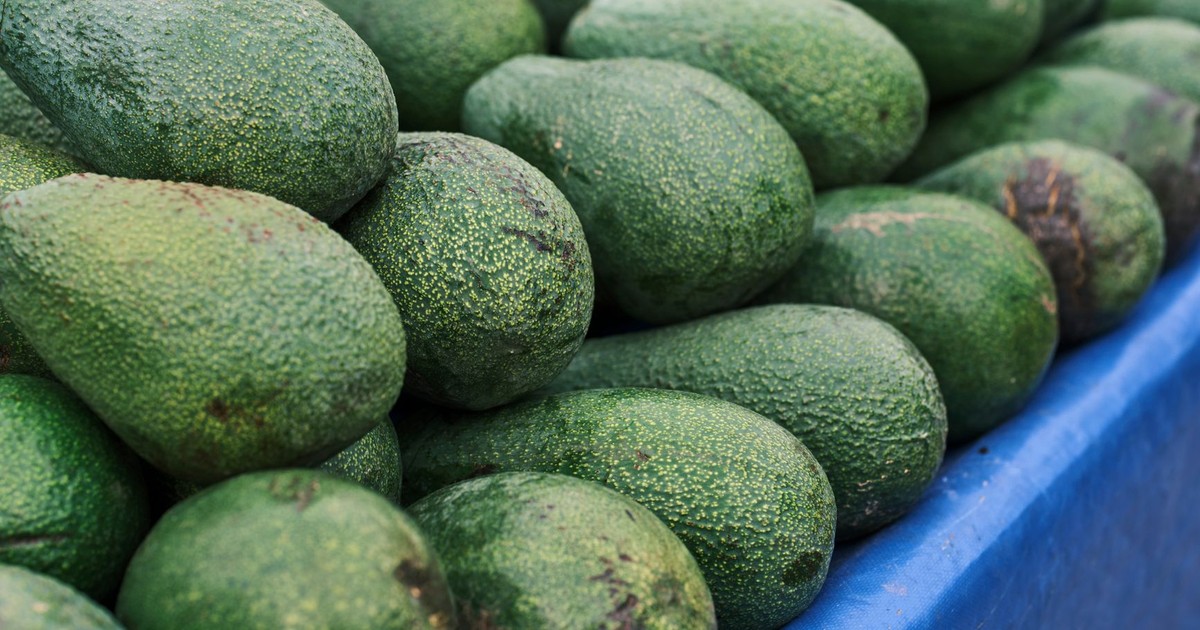
According to the Environmental Working Group’s 2026 Shopper’s Guide to Pesticides in Produce, pineapple, sweet corn, and avocados top the Clean Fifteen list with the fewest detectable pesticides among all tested conventional produce. That’s genuinely good news – but it only addresses chemical residues, not microbial contamination. These are two entirely separate concerns, and a low pesticide load says nothing about whether Listeria or Salmonella are present on the skin.
Contamination of fresh produce represents a significant concern for food safety, with contamination occurring at multiple points in the supply chain, from cultivation through retail sales. An avocado can be grown without pesticides on a clean farm and still pick up bacteria from irrigation water, soil, harvesting equipment, packing facility surfaces, or the hands of workers at any stage between the grove and your kitchen counter. The thick skin that makes avocados feel so protected also means contamination is invisible – there’s no discoloration, no odor, no way to tell by looking.
This is where the produce washing habit matters most: not for fruits and vegetables that already feel risky, but for the ones that feel completely safe. If you’d like to understand how contamination moves through the fresh produce supply more broadly, this 2026 article on Cyclospora and produce washing covers the mechanics in detail. The avocado’s reputation as a health food is entirely deserved – its nutritional profile is exceptional. The skin is a different matter.
Read More: The Best and Safest Way to Store Avocados and Prevent Them From Browning
What to Do Now
Washing avocados before eating or cutting them is one of the simplest food safety habits to build, and the method is genuinely low-effort. Rinse the whole fruit under cool running water, scrub the skin with a clean produce brush or rub firmly with your hands, then dry immediately with a clean paper towel. Do this before cutting – not after, and not as an afterthought. The bacteria that matter here live on the outside of the fruit and get carried inward by the knife.
If you’re pregnant, immunocompromised, or over 65, this step deserves particular attention given Listeria’s well-documented risks for those groups. For everyone else, it’s still worth doing – washing under running water reduces bacterial load on produce surfaces significantly, even if it doesn’t eliminate every microbe. The goal isn’t sterility; it’s lowering risk at a moment when the risk is actually real. A 30-second rinse before every avocado you cut is the specific, concrete thing food safety guidance has been pointing toward for years. Now you know exactly why.
Disclaimer: This information is not intended to be a substitute for professional medical advice, diagnosis, or treatment and is for information only. Always seek the advice of your physician or another qualified health provider with any questions about your medical condition and/or current medication. Do not disregard professional medical advice or delay seeking advice or treatment because of something you have read here.
AI Disclaimer: This article was created with the assistance of AI tools and reviewed by a human editor.
Read More: Taking These 6 Medications? Think Twice Before Eating Avocados