
You have probably felt it – that split-second question that flickers through your mind when you climb a flight of stairs and feel oddly breathless, or when a dull pressure settles across your chest and doesn’t quite leave when you stop moving. You chalk it up to being out of shape, to stress, to a bad night’s sleep. Then the feeling fades, and so does the concern. That moment of dismissal is exactly where the trouble starts.
Clogged arteries – medically known as atherosclerosis – don’t announce themselves on a schedule you can plan around. The process is slow, quiet, and invisible for years. By the time your body starts sending signals you can actually feel, something significant is already happening. Knowing which signals to watch for and what they actually mean inside your body can change outcomes in a very literal way.
Why Clogged Arteries Stay Hidden So Long
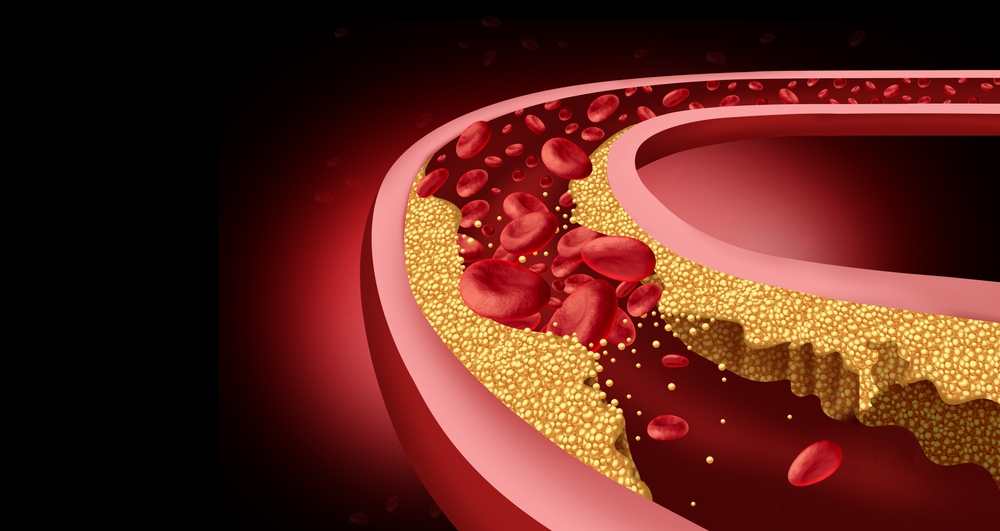
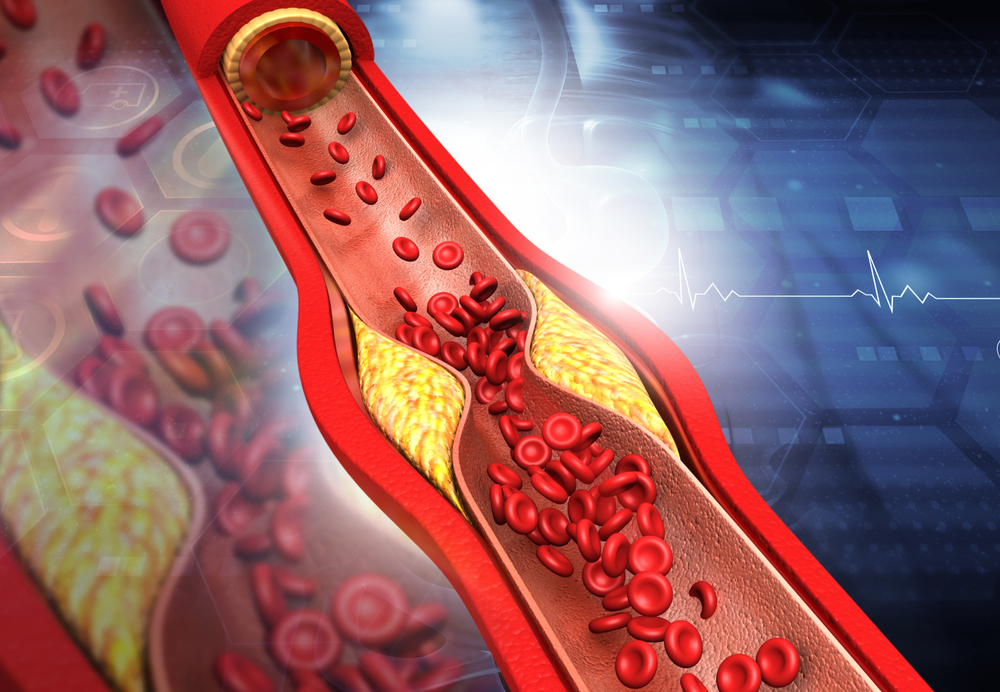
Atherosclerosis begins when the inner lining of an artery wall – called the endothelium – gets damaged. Plaque buildup starts with damage to the arteries from risk factors, including unhealthy lifestyle habits, medical conditions, or genetic causes. Inflammatory cells travel to the damaged areas and release chemical signals, which cause cholesterol and cell waste to collect at those spots, attracting white blood cells that clump together to form plaque. As the plaque grows, the artery narrows, reducing the flow of oxygen-rich blood to limbs and organs.
The reason this process goes undetected for so long is straightforward: the body compensates. In the early stages, arteries actually dilate to preserve blood flow around the plaque buildup. Eventually, the artery can’t dilate any further, and plaque starts to narrow the flow channel. As narrowing progresses, blood flow shifts to smaller parallel arteries – but that collateral network never carries as much blood as the main artery.
This compensation is both a gift and a trap. It keeps you symptom-free for years, but it also means that by the time clogged arteries symptoms finally appear, the blockage is already severe. That’s the medical reality behind the 70 percent threshold you’ll read about – and understanding it is crucial.
The 70% Threshold: When Clogged Arteries Symptoms First Appear

This is the core question people search for: what does 70 percent artery blockage feel like? The honest answer is that most people feel nothing until they reach that point.
According to the Cleveland Clinic, symptoms of atherosclerosis typically do not appear until an artery is more than 70% blocked. The two hallmark signs of arterial blockage at that threshold are chest pain or discomfort (called angina) and shortness of breath during physical activity. According to information from the NIH, heart muscle tissue receives insufficient blood flow – triggering angina symptoms during exertion – when the coronary artery lumen has at least 70% obstruction.
Can you have a 70% blocked artery and not know it? Yes – and that’s exactly what makes this condition so dangerous. A December 2025 review in StatPearls noted that hemodynamically significant coronary atherosclerosis, typically defined as luminal narrowing of 70% or more, is frequently asymptomatic until plaque rupture and thrombosis precipitate acute coronary syndrome. In many cases, the first clinical presentation of coronary artery disease occurs as an acute heart attack.
The numbers behind coronary artery disease symptoms reinforce why this matters. Coronary heart disease is the most common type of heart disease in the United States and killed 371,506 people in 2022, per the U.S. Centers for Disease Control and Prevention (CDC, 2026). In the United States, someone has a heart attack every 40 seconds, and about 1 in 5 heart attacks are silent – meaning damage occurs without the person being aware of it, per the CDC (2026). About 1 in 20 U.S. adults aged 20 and older have coronary artery disease, per CDC (2026).
The Heart Blockage Warning Signs You Need to Know
Woman having a heart attack
Long before a heart attack or stroke strikes, it sends signals: subtle at first, then harder to ignore. What makes arterial disease particularly deceptive is that symptoms typically don’t appear until a blockage reaches around 70%, the threshold at which blood flow becomes restricted enough to trigger noticeable physical changes.
Below that point, most people feel nothing out of the ordinary. Above it, the body begins to struggle in ways that show up throughout your daily life – in how far you can walk, how clearly you can think, how well you sleep, and how your legs, chest, and extremities feel during even routine activity.
If you’ve been brushing off fatigue, unexplained pain, or changes in your circulation as signs of aging or stress, it’s worth paying closer attention. The following signs are what a 70% or greater arterial blockage can look like, and recognizing them early could be one of the most important things you do for your long-term health.
1. Chest Pain (Angina)
This is the signature artery blockage sign, and it’s worth understanding what it actually feels like – because it’s often not what people expect. Angina can feel like a pressing, squeezing, or crushing pain in the chest under the breastbone. You may also have pain in your upper back, both arms, neck, or ear lobes, and shortness of breath, weakness, or fatigue, according to Johns Hopkins Medicine.
Angina can range in severity from a vague ache to crushing pressure, and it can be a warning sign of a heart attack – sometimes days or weeks in advance, per the Cleveland Clinic (2026). Importantly, angina from a partial blockage typically eases with rest – that distinguishes it from a heart attack, where the pain does not subside. StatPearls notes that angina symptoms typically abate at rest as oxygen demand falls, but may occur at rest if the coronary artery reaches 90% stenosis.
Does chest pain always mean blocked arteries? No. Chest pain is one of the most common reasons for seeking medical attention in both emergency and outpatient cardiology settings, with causes ranging from benign to life-threatening. Among its various potential causes, cardiac ischemia must be ruled out promptly given its life-threatening nature, per StatPearls (NCBI, 2025). If you’re uncertain, that uncertainty itself is the reason to get evaluated – don’t wait.
2. Shortness of Breath

Shortness of breath – called dyspnea – during light physical activity is a recognized symptom of coronary artery disease, per the Cleveland Clinic. This symptom often gets misread as poor fitness. But there’s a meaningful difference between being winded after a hard run and struggling to catch your breath while walking up one flight of stairs. The second scenario – particularly if it’s new or worsening – warrants a cardiac conversation with your doctor.
Chest pain and shortness of breath together are among the most clinically important combinations for identifying severely blocked arteries in the heart. If both appear together, especially during exertion, call 911. Don’t drive yourself.
3. Unusual Fatigue

Feeling tired all the time can be a silent signal that the heart is working harder to push blood through narrowing arteries. This type of fatigue differs from regular tiredness and may feel overwhelming – and it often appears in early stages of heart disease, especially in women. These so-called “atypical” symptoms can be mistaken for other health issues: the unusual fatigue associated with a cardiac event is a deep, sometimes sudden exhaustion that doesn’t get better after rest, per Houston Methodist Hospital (2025).
4. Heart Palpitations
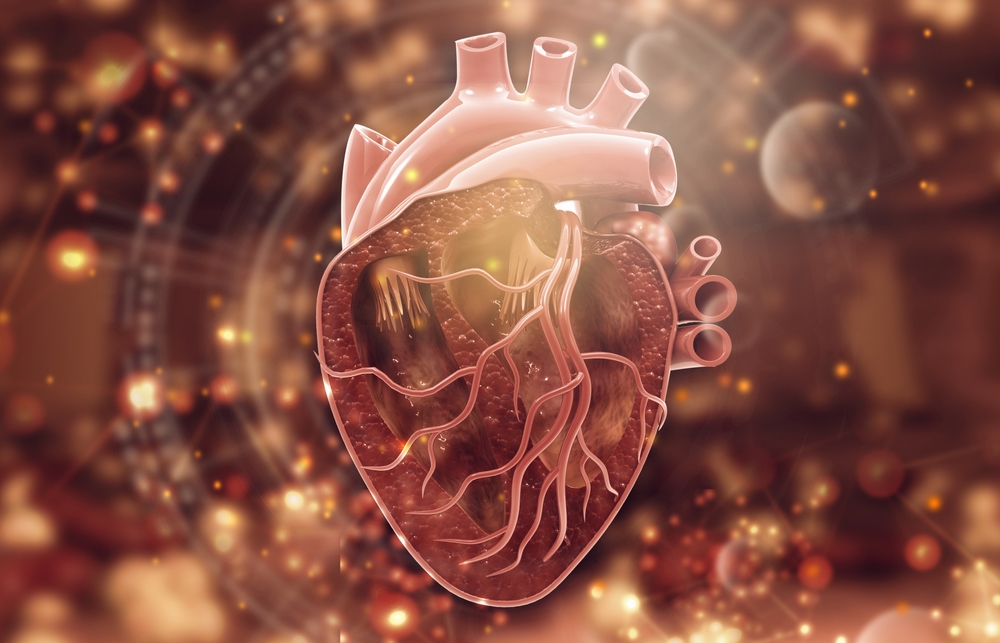
An irregular heart rhythm – arrhythmia – may feel like a fluttering or racing heartbeat. Irregular heartbeats may be no cause for concern, or they may point to an underlying condition like coronary artery disease. Persistent arrhythmia symptoms warrant evaluation by a healthcare provider, per Advocate Health Care.
5. Cold Sweats or Nausea

You may suddenly break into a sweat with cold, clammy skin, feel sick to your stomach, or experience something that feels like heartburn or an upset stomach – per Mayo Clinic. These are some of the most commonly dismissed coronary artery disease symptoms. Nausea, vomiting, and upper abdominal pain can mimic heartburn, acid reflux, or even gallstones. If any of these flare-ups occur alongside other unusual symptoms, they could be heart-related.
6. Pain Radiating to Other Areas

Angina should be suspected in people presenting with tight, dull, or heavy chest discomfort that is retrosternal or left-sided and radiates to the left arm, neck, jaw, or back, according to clinical guidance in Wikipedia’s medical literature summary on angina. This radiation of pain happens because the nerves in the heart and chest wall share pathways with other parts of the body. Heart attack pain may spread to the arm, jaw, neck, or back – and it’s more likely to be a heart attack if the pain travels down the arm, especially the left arm, or into the neck, per the British Heart Foundation.
7. Leg Pain and Cramping (Claudication)

Clogged arteries don’t only affect the heart. When atherosclerosis develops in the arteries supplying the legs, it causes a condition called peripheral artery disease (PAD). The hallmark symptom of PAD is called “intermittent claudication” – muscle pain or cramping that occurs during physical activity such as walking and is relieved with rest, per StatPearls / NCBI (2026). This cramping, aching, uncomfortable, or tired feeling in the legs occurs during walking and is relieved by rest – and while it most commonly affects the calves, it can also occur in the feet, thighs, hips, or buttocks, per the Merck Manual Professional (2026).
If you find yourself stopping more frequently on walks not because you’re tired, but because your calf aches, that pattern is worth discussing with your doctor. Getting an ankle-brachial index (ABI) test is a quick and painless starting point for diagnosing PAD.
8. Cold Feet or Hands

If one leg or foot often feels colder than the other, especially compared to the rest of the body, it could signal the reduced blood flow characteristic of PAD. Physical signs of PAD in the legs can include smooth, shiny skin and skin that is cool to the touch, especially if accompanied by walking-related pain, per the CDC. This is one of the subtler artery blockage signs that people often dismiss as poor circulation or cold sensitivity.
9. Slow-Healing Sores on the Feet or Toes
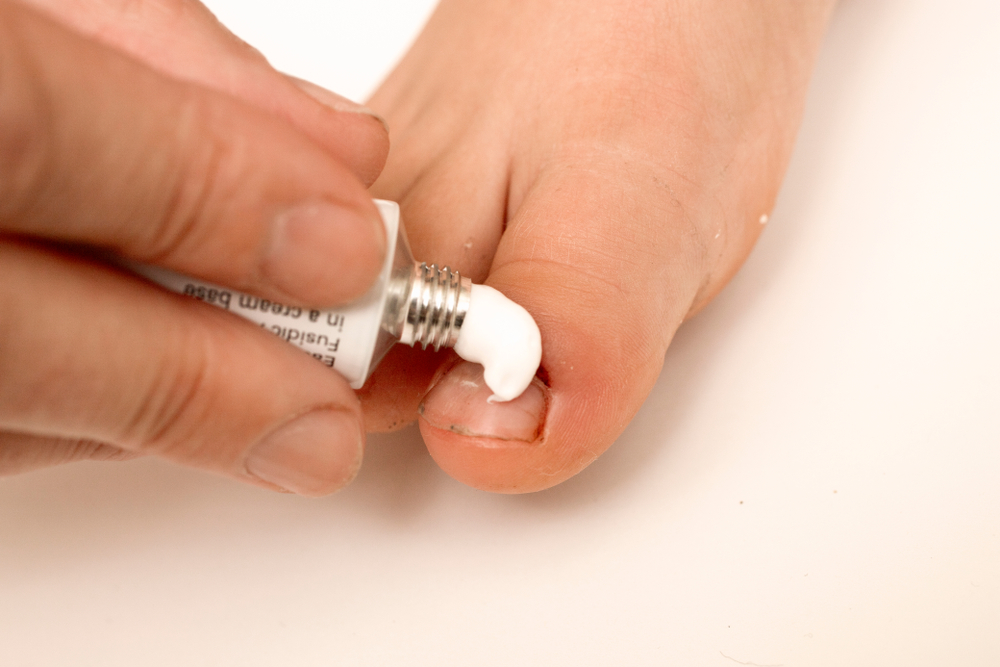
Decreased or absent pulses in the feet and sores or ulcers in the legs or feet that don’t heal are among the physical signs that may indicate PAD, per the CDC. When arteries are significantly narrowed, the oxygen and nutrient supply to the skin’s repair process is too compromised for wounds to close normally. Any non-healing wound on the foot or lower leg should be evaluated urgently – it can escalate quickly if left untreated.
10. Skin Color and Texture Changes
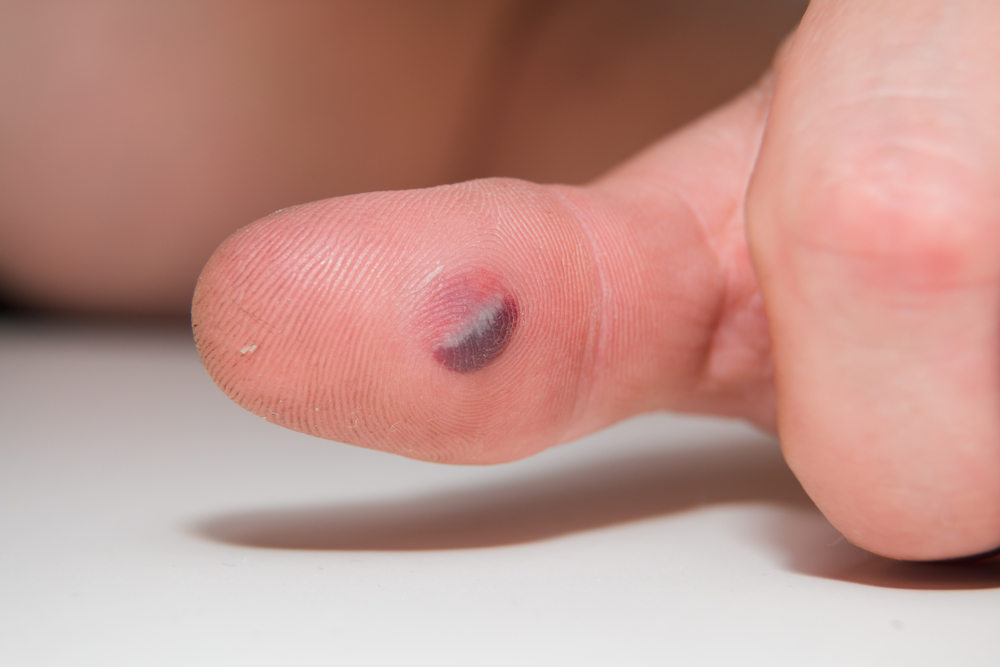
A noticeable change in the color of the legs – with skin turning pale or bluish – is a significant warning sign of compromised circulation. Shiny, hairless, or thinning skin on the lower legs also points toward chronic reduced blood flow. These visible changes reflect the same underlying process as claudication – arteries too narrowed to adequately supply the tissues they serve.
11. Hair Loss on Legs

Reduced blood flow to the legs and feet deprives hair follicles of the oxygen they need to sustain growth. Thinning or absent hair on the calves, ankles, and feet – particularly in combination with other leg symptoms – is a recognized sign of PAD and warrants vascular assessment.
12. Weak or Absent Pulse in the Feet or Legs
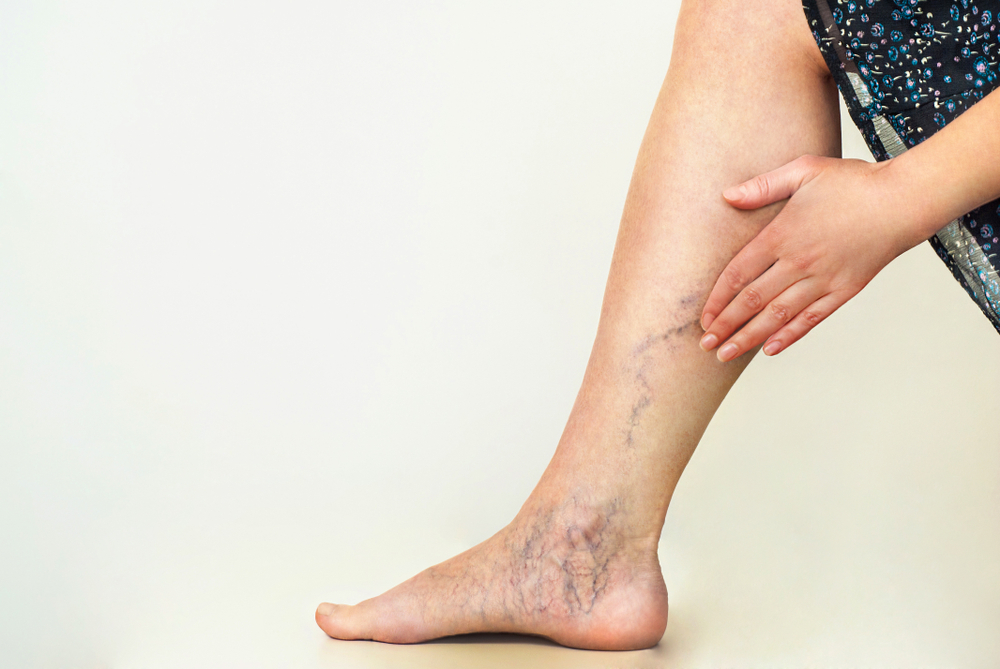
This is a physical finding that a doctor checks for, not something you’ll detect yourself – but knowing it matters. In femoropopliteal PAD, pulses below the femoral artery are weak or absent. In PAD of more distal arteries, femoropopliteal pulses may be present but foot pulses are absent, per the Merck Manual Professional (2026). If you have leg symptoms and haven’t had your foot pulses checked, ask your doctor to do it at your next visit.
13. Sudden Dizziness or Lightheadedness

Dizziness or lightheadedness can be a disorienting symptom linked to reduced blood pressure and cardiac function. If these sensations come on suddenly, last more than a few seconds, or occur alongside chest discomfort, seeking help immediately is essential, per Houston Methodist Hospital (2025). When reduced blood flow reaches the brain – either from severely impaired cardiac output or from blockages in the carotid arteries – dizziness and near-fainting can result.
14. Erectile Dysfunction

This one surprises many men, but it’s among the most important early heart blockage warning signs for that half of the population. Because the arteries in the penis are smaller than those in the heart, men may experience erectile dysfunction years before heart symptoms such as chest pain appear. ED may be an early sign of heart disease, per Mayo Clinic.
The 2024 Princeton IV Consensus Guidelines – the most recent expert guidance on this topic – went further. According to a September 2024 commentary in the American College of Cardiology, erectile dysfunction is a risk marker of cardiovascular disease and should be considered a risk-enhancing factor when determining the intensity of risk-factor reduction. Men with ED at low to intermediate cardiovascular risk should be considered for coronary artery calcium measurement to better estimate their atherosclerotic risk. In other words, if you’re a man dealing with new-onset or worsening ED and you haven’t had a cardiovascular workup, that conversation with your doctor is overdue.
15. Transient Ischemic Attack (TIA / “Mini-Stroke”)
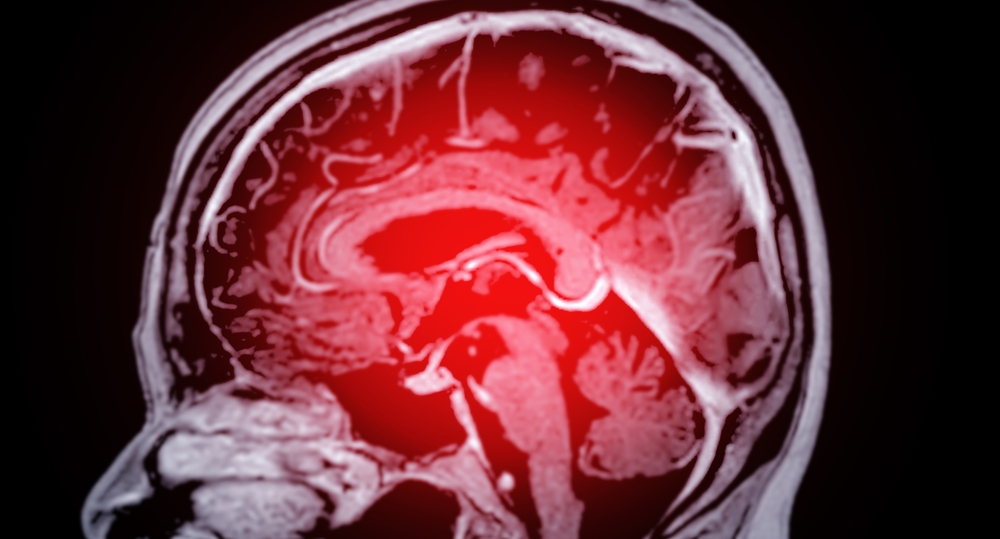
A TIA is what happens when blocked or narrowed arteries feeding the brain temporarily cut off blood supply – not long enough to cause permanent damage, but long enough to produce stroke-like symptoms. Signs of a TIA include weakness, numbness, or paralysis in the face, arm, or leg – typically on one side of the body. A TIA is a temporary blockage of blood flow to the brain, usually caused by a clot or buildup of cholesterol-containing fatty plaques in arteries, per the American Brain Foundation (2025).
The word “transient” does not mean minor. If stroke symptoms go away after a few minutes, you may have had a TIA. Although brief, a TIA is a sign of a serious condition that will not go away without medical help. Because TIAs clear up, many people ignore them – but paying attention to a TIA can save your life, per the CDC (2024). Call 911 immediately if any stroke symptoms appear, even if they resolve.
The Gender Gap in Clogged Arteries Symptoms

Women and men don’t always experience artery blockage signs the same way. The classic crushing chest pressure that most people picture is the dominant symptom in men. Women are more likely to present with symptoms that look like something else entirely. Women tend to have more vague heart attack symptoms, such as nausea or brief, sharp pain in the neck, arm, or back. Older adults and people with diabetes may have no or very mild symptoms of a heart attack, per Mayo Clinic.
One particularly under-recognized pattern involves upper abdominal discomfort that mimics indigestion or heartburn. This can be the way a cardiac event presents in women – and it’s the reason misdiagnosis rates remain higher among women than men. Historically, the classic signs of heart attack reflected what men typically experience. This can lead women to dismiss atypical symptoms as less serious – and women’s cardiac problems have often been misdiagnosed as stress, lack of sleep, dehydration, or hormonal conditions, per Houston Methodist Hospital (2025).
If something feels wrong and your instinct says so, push for a complete cardiac evaluation regardless of whether your symptoms match the “textbook” version.
What’s Actually Building Up in Your Arteries – and Why
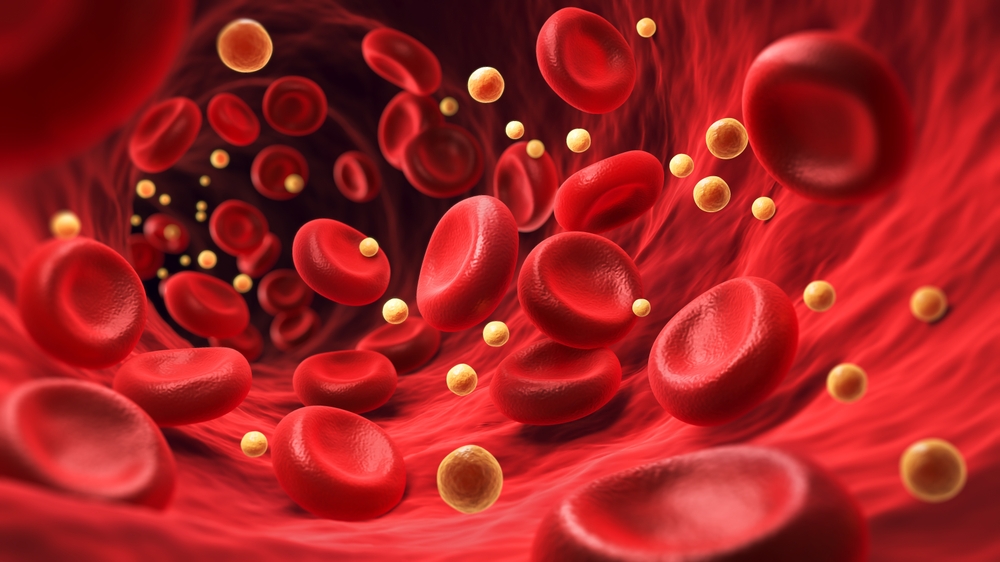
Risk factors for atherosclerosis include high cholesterol and triglyceride levels, high blood pressure, smoking, diabetes, obesity, physical inactivity, and eating saturated fats, per Johns Hopkins Medicine. High blood pressure damages artery walls over time, allowing plaque to build up. In the United States, high blood pressure accounts for more deaths linked to atherosclerosis than any other modifiable risk factor, per the National Heart, Lung, and Blood Institute (NHLBI). Almost one-third of deaths caused by coronary heart disease are linked to smoking or exposure to secondhand smoke, per the NHLBI.
Understanding your own risk profile – not just whether you have symptoms – is how you catch this disease before it shows up. Atherosclerosis is a slow, progressive disease that may start as early as childhood, though it can progress rapidly, per Johns Hopkins Medicine. Routine checks of blood pressure, LDL cholesterol, fasting glucose, and body weight are the minimum baseline. Your doctor can order a coronary artery calcium (CAC) score – a CT-based test that directly measures plaque burden in the heart arteries – if your risk warrants a closer look.
Read More: Heart Disease: 10 Warning Signs that Appear On Your Skin
What to Do Now
The 15 clogged arteries symptoms covered here exist on a spectrum. Some – like TIA symptoms, sudden severe chest pain, or chest pain paired with shortness of breath – are emergencies that require calling 911 immediately. Others – like leg cramping on walks, persistent unexplained fatigue, or new erectile dysfunction – are signals to book a doctor’s appointment this week, not next month.
The practical bottom line: don’t wait for a dramatic cardiac event to investigate your cardiovascular health. A substantial proportion of coronary artery disease cases remain clinically silent, with the condition often undetected until acute events occur – and this silent progression poses a significant challenge for timely diagnosis and prevention, per a 2025 review in Cardiovascular Diabetology. The most actionable thing you can do right now is know your numbers – blood pressure, cholesterol, and blood sugar – and tell your doctor about any of the symptoms on this list that you’ve been quietly tolerating. That conversation is easier than you think, and far easier than the alternative.
Medical Disclaimer: This information is not intended to be a substitute for professional medical advice, diagnosis, or treatment and is for information only. Always seek the advice of your physician or another qualified health provider with any questions about your medical condition and/or current medication. Do not disregard professional medical advice or delay seeking advice because of something you have read here.
A.I. Disclaimer: This article was created with AI assistance and edited by a human for accuracy and clarity.
Read More: 9 Foods You Should Eat Regularly To Support Your Arterial Health